
Tasmanian LiFE Awards – 2026 Nominee
Innovative Practice and Research LiFE Award
The Innovative Practice and Research LiFE Award recognises outstanding contributions in the field of suicide prevention, intervention, and postvention through innovation and research. It acknowledges research that enhances our understanding of effective strategies, including responses to recent events affecting mental health, as well as individuals or groups who have developed novel and unique approaches to suicide prevention.

James Peak
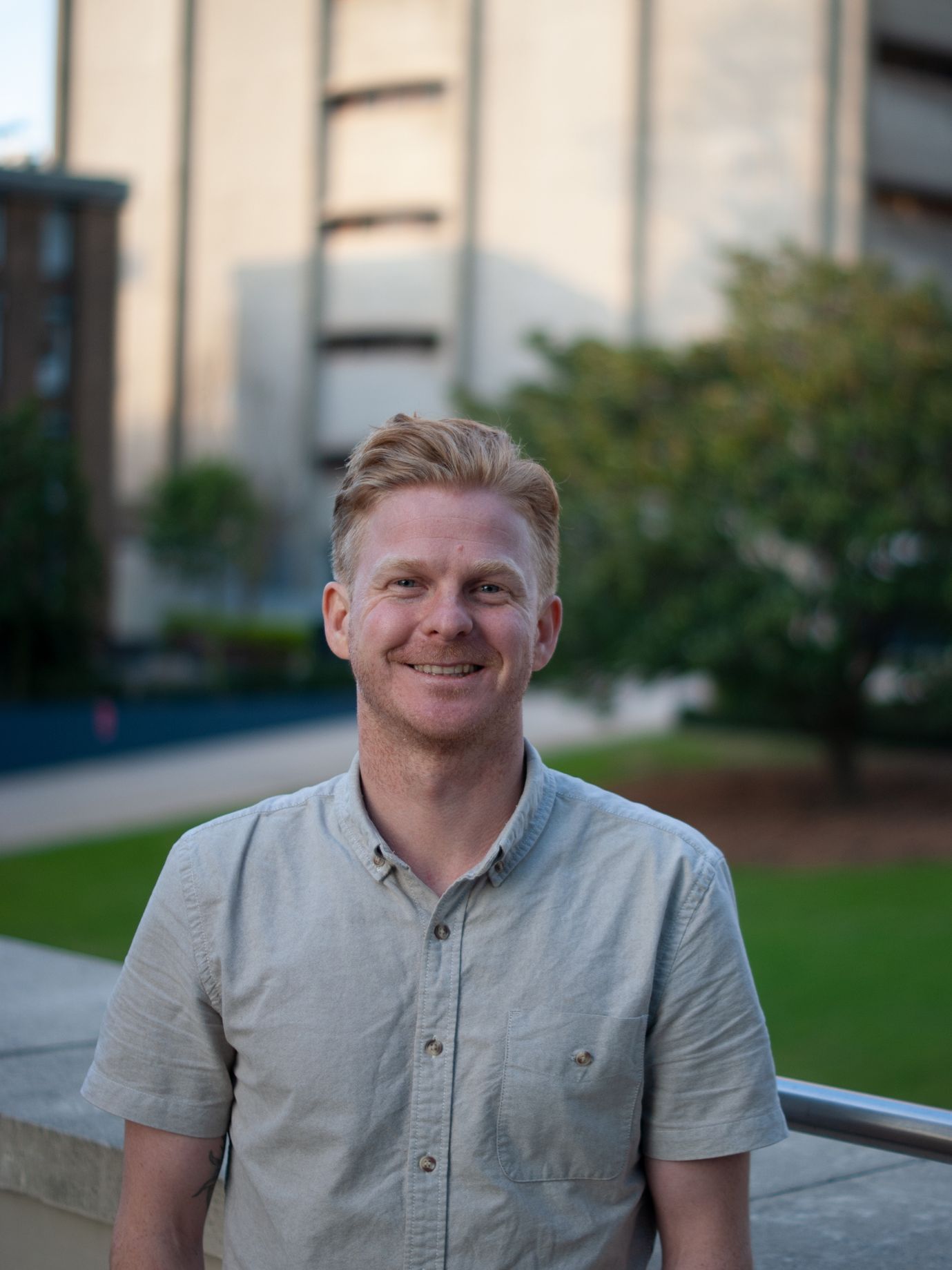
Dr James Peak has led groundbreaking research in suicide prevention and mental health. As a Postdoctoral Research Fellow at the Tasmanian Centre for Mental Health Service Innovation, he has driven projects that evaluate and improve government suicide intervention programs and mental health services.
His recent national study tracked Australians’ mental health trajectories through COVID-19, one of the first to show persistent distress in young people and those with pre-existing conditions. James’ innovative, evidence-based approach bridges research, neuroscience, and policy to deliver insights that strengthen suicide prevention systems and community wellbeing.
James was motivated by seeing gaps in how health systems respond to distress and suicide risk, particularly among people navigating complex service pathways. His neuroscience research explored how the brain regulates goal-directed behaviour, shaping his belief that understanding decision-making and stress at a biological and systems level could transform how we support people in crisis. The onset of COVID-19 brought this into sharp focus. James saw an urgent need to understand the pandemic’s long-term mental health impact. This led him to co-design and lead the Australian arm of the COLLATE Project, a multi-year national study providing strong longitudinal evidence of persistent psychological distress.
At the Tasmanian Centre for Mental Health Service Innovation, James applies these insights to real world systems, advising government and services on how to target suicide prevention and recovery supports more effectively. His work combines data analysis with compassion and a commitment to lived experience inclusion. Ultimately, James does this work to ensure research improves the lives of those it studies.
Proudly sponsored by: