
From the Ground Up, Tasmanians are growing hope, connection, and change!
The 2026 Tasmanian Suicide Prevention Forum brought together a diverse and passionate group of community members, people with lived experience, and professionals from across the state for a day of connection, learning, and collaboration.
There were 132 attendees, supported by 15 guest speakers who shared their insights and experiences across the day. In The Village, more than 20 organisation trade tables showcased local initiatives, services, and opportunities for connection, creating a vibrant hub of exchange and engagement. A sincere thank you to everyone who contributed to making the day so impactful and memorable.
Guided by the theme From the Ground Up, the Forum focused on how hope, connection, and l change are grown locally – through small, consistent actions within our communities, workplaces, and families. It highlighted the strength of grassroots, community-led approaches to suicide prevention, and the importance of building solutions that are shaped by local knowledge and lived experience.
Throughout the day, attendees heard from a range of speakers and community voices, exploring topics such as youth suicide prevention, rural mental health, men’s wellbeing, resilience, and mindfulness. A strong thread across all sessions was the value of listening to and learning from lived experience, recognising it as central to creating responses that are compassionate, practical, and effective.
A dedicated lived experience address and story grounded the Forum in the realities behind the work, offering a reminder that we don’t always see the struggles people are going though, conversations can change life’s and what’s possible when we let hope and belief guide us through life’s uncertainties.
The tribute to Sharon Corvinus-Jones was a fitting recognition of a life well lived, the significant contribution she made to suicide prevention and to the many communities she was part of. Sharon will be sadly missed and fondly remembered by many.
Workshops provided opportunities to build practical skills, reflect on personal and collective wellbeing, and contribute to shaping suicide prevention efforts across Tasmania. Alongside this, grassroots community groups shared real-world examples of local initiatives, highlighting how change is already happening across the state.
At the heart of the day was The Village, a welcoming and vibrant space designed to build connection and conversation. Supported by TasNetworks, The Village was open to organisations and community groups at no cost, creating an inclusive environment for people to come together, share ideas, and strengthen relationships. Within this space, the Blue Tree community art installation became an evolving symbol of hope, connection, and collective action. As attendees added their own brushstrokes throughout the day, the tree grew into a shared expression of commitment to supporting one another and strengthening suicide prevention across Tasmania.
Despite the heaviness of suicide prevention as a topic, the Forum offered a sense of lightness. Every moment was grounded in hope, connection, community, and a shared commitment to moving forward together — a focus that will continue to guide us into 2027 as we build on this momentum.
Speakers
Read their bios to learn more about their work and the perspectives they brought on the day.
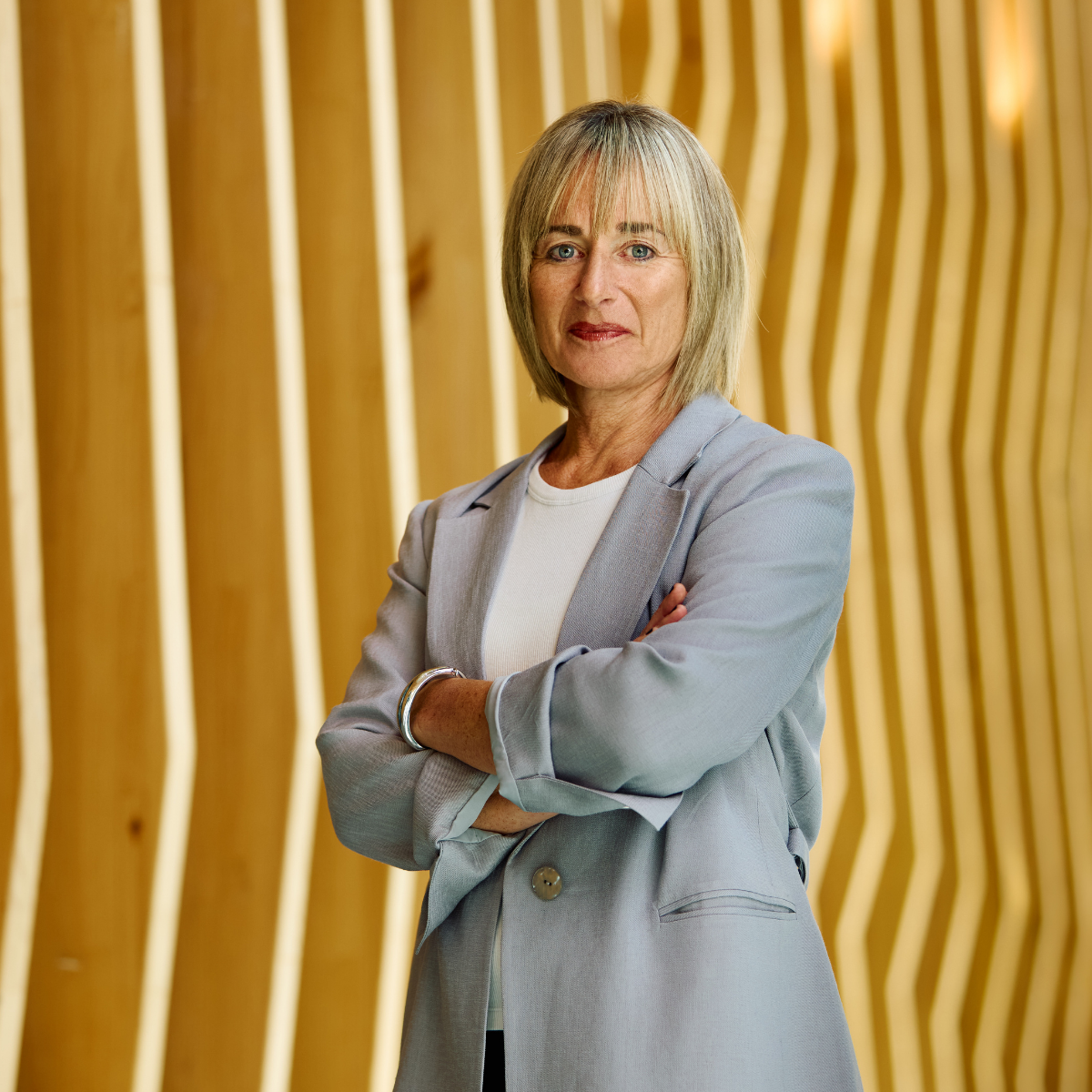
Professor Jo Robinson AM leads the Youth Suicide Prevention Research Unit at Orygen, the Centre for Youth Mental Health at the University of Melbourne. She is also Scientific Director of the Orygen Policy Centre.
Prof Robinson’s work focuses on the development, and testing, of novel interventions that specifically target at risk youth across settings, on evidence synthesis, and on the translation of research evidence into practice and policy. Her work has a strong focus on the potential of social media platforms in suicide prevention. This includes the development of the #chatsafe guidelines, the first evidence-based best practice guidelines for safe peer-peer communication about suicide online.
Prof Robinson also has a keen interest in policy development and evaluation and has led the development of several major policy reports and briefings and is regularly called upon to provide advice to both state and federal government. She was Co-Chair of the Federal Government’s Anti-Bullying Rapid Review, and is a member of the Expert Advisory Group for the Development and Implementation of the Suicide Prevention Strategy for Victoria and former member of the Expert Advisory Group for the Development of the National Suicide Prevention Strategy. She was also a member of the Expert Advisory Group for the Special Advisor to the Prime Minister on Suicide Prevention and Co-chair of a Technical Advisory Group for the Development of the National Stigma Strategy.
She is President and former Vice-President of the International Association for Suicide Prevention and co-chair of an International Taskforce into Suicide Prevention in Women and Girls. She is a member of the Self-injury Advisory Group for Meta and was an advisory board member for the Oprah Winfrey production The Me You Can’t See.
Nurturing the Next Generation | The factors impacting suicide risk in young Australians: findings from the Right Here Right Now study.
Jo will explore the key risk and protective factors influencing suicide risk among young Australians today, drawing on findings from the Right Here Right Now study. She will share insights specifically relevant to Tasmania and highlight emerging digital strategies, including the #chatsafe guidelines, along with other innovative interventions her team is currently testing.
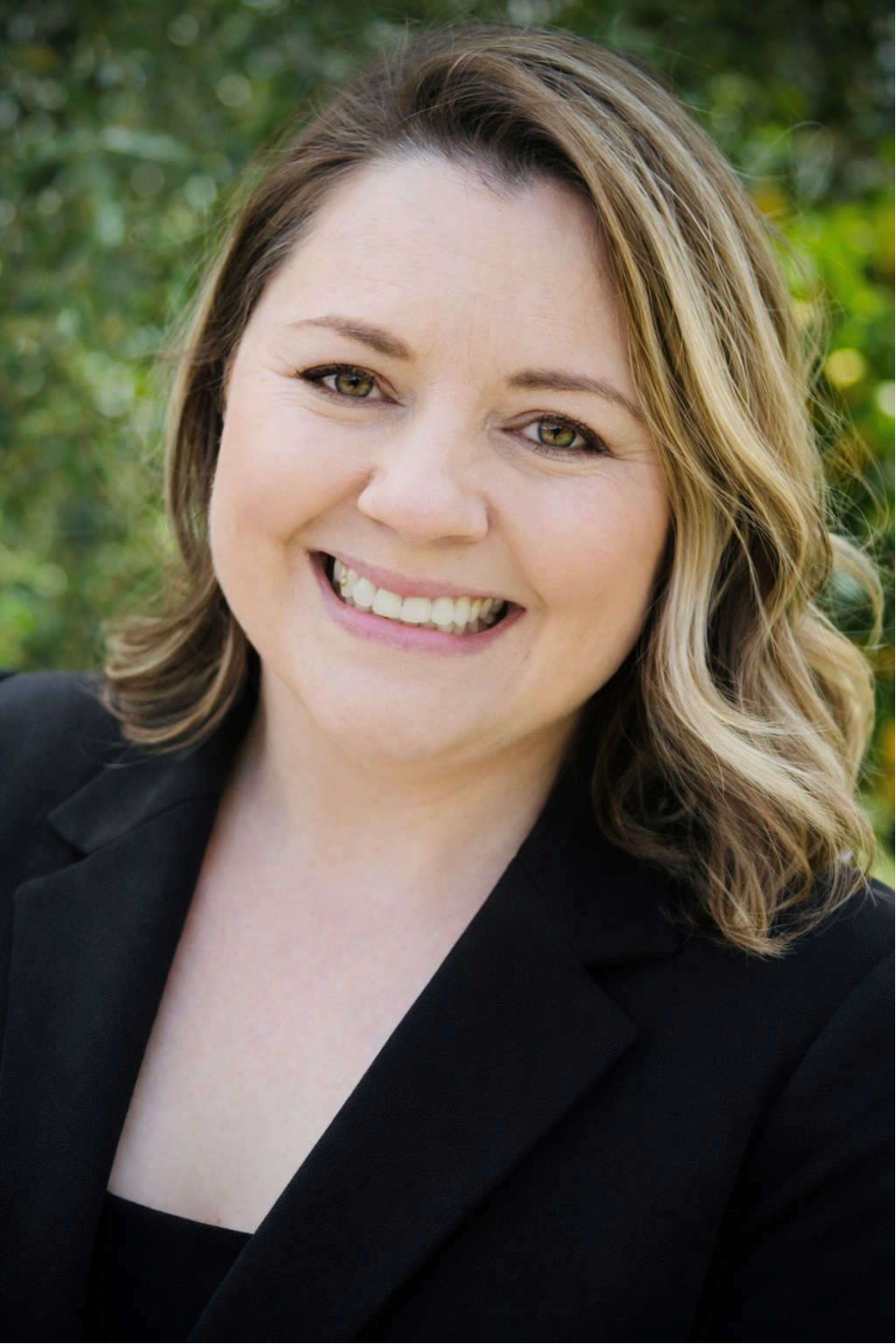
Dr Laura Grattidge is a rural health researcher, program evaluator and lived-experience advocate with over 20 years’ experience working across community, government and research settings. Her work focuses on rural mental health, wellbeing and youth suicide prevention, with a strong commitment to community-led and place-based approaches.
In 2025, Laura completed her PhD exploring how rural communities can play a stronger role in suicide prevention. This work is informing the development of Best Practice Guidelines for Youth Suicide Prevention in Rural Communities, shaped by lived experience and local knowledge.
Laura has worked alongside communities across Tasmania, co-leading evaluations including the National Suicide Prevention Trial and Tasmania’s first community implementing the Live4Life rural youth mental health and suicide prevention model in Break O’Day. Grounded in her own lived experience, she is passionate about genuine relationships, partnerships building on strengths and suicide prevention that is practical, compassionate and hopeful, turning evidence into action that genuinely supports young people and their communities.
Nurturing the Next Generation | A conversation on supporting young people in Tasmania with Professor Jo Robinson AM and Dr Laura Grattidge
Laura will join Professor Jo Robinson AM on stage for a conversation exploring youth suicide prevention in Tasmania. Drawing on her research and lived experience, Laura will ask questions and share insights to guide the discussion, highlighting practical, compassionate, and locally informed approaches that support young people and their communities.
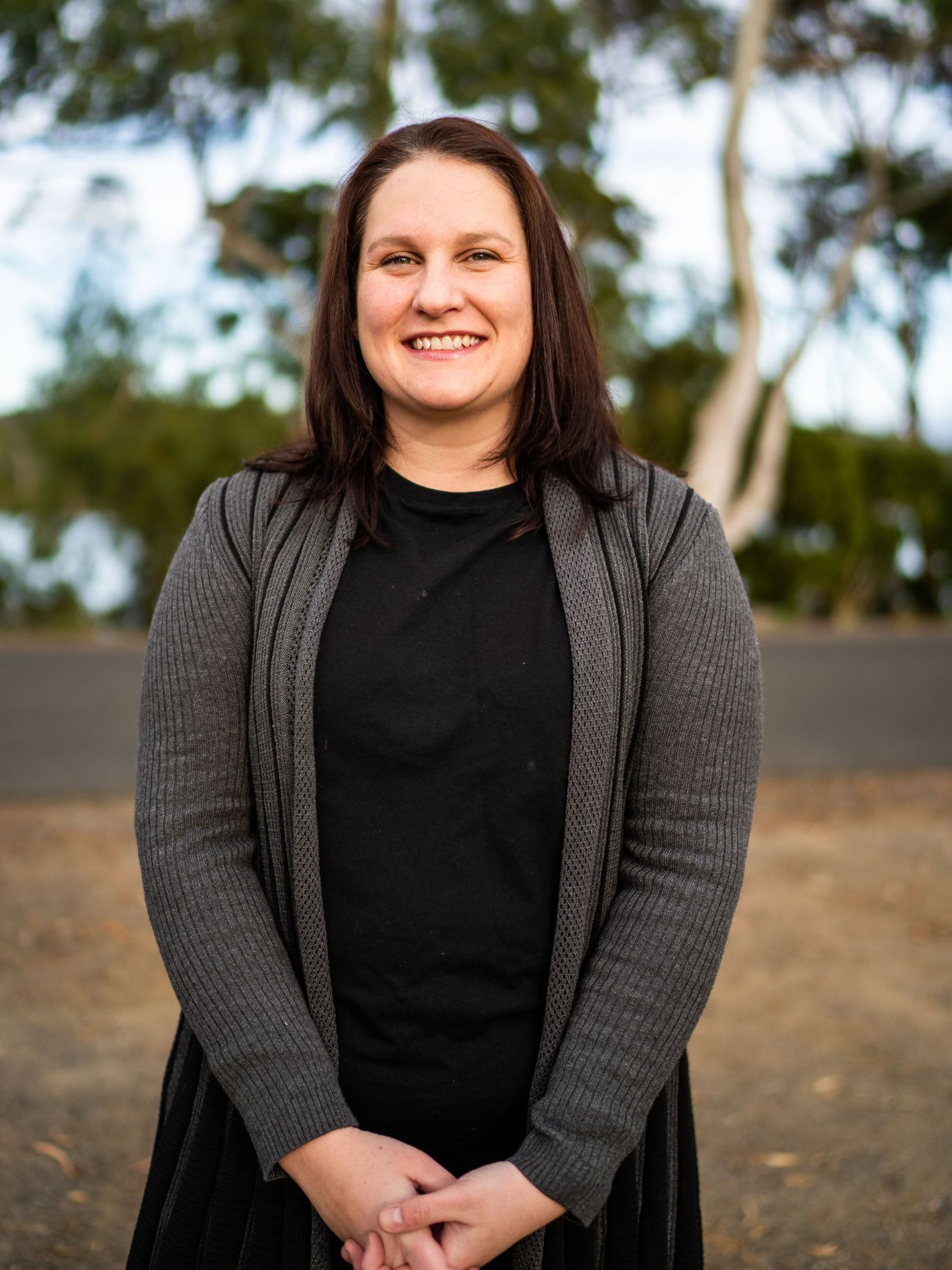
Casey is passionate about suicide prevention through education and awareness, with a strong focus on strengthening community connection and reducing stigma. She is committed to supporting young people to have their voices and ideas heard, and to be active contributors to positive change. Her approach centres on sustainable, community-led change, by community, for community, grounded in collaboration, lived experience, and compassion.
Live4Life supports rural and regional communities to improve youth mental health and reduce youth suicide. Youth Live4Life is a registered health promotion charity that brings communities together to implement the only mental health education and youth suicide prevention model designed specifically for rural and regional contexts. Live4Life communities deliver evidence-based mental health education in schools and the wider community, build strong local partnerships to reduce stigma through open conversations, and empower young people to take on leadership roles as mental health ambassadors.
Nurturing the Next Generation | What It Looks Like on the Ground
Casey brings the conversation to the ground, sharing what nurturing the next generation looks like when young people are genuinely heard and supported to lead change. Drawing on lived examples from the Live4Life program, she explores how community connection, collaboration, and trust create safer, more hopeful futures for young people. As Casey shares, “It is an honour to be on the ground working with young people to bring their voices and ideas to life for a mentally healthier community.”
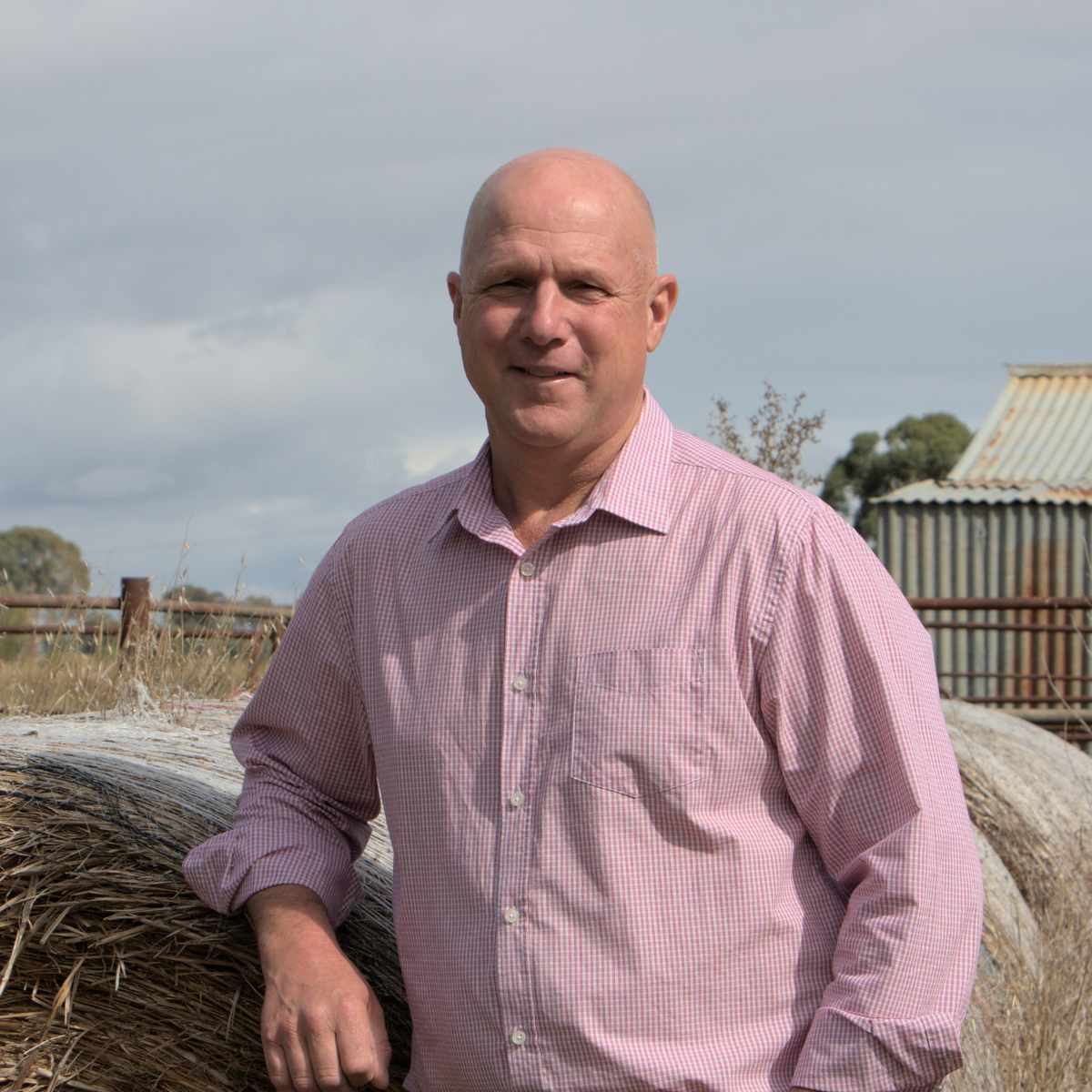
Warren Davies is a nationally recognised leader in mental health and a respected specialist in workplace and community wellbeing. Known as The Unbreakable Farmer, Warren brings a powerful combination of lived experience, practical frameworks, and authentic storytelling that resonates with individuals, leaders, teams, and organisations across every sector.
A central theme in Warren’s work is capacity before crisis — the principle that resilience is not the starting point, but the outcome of strong foundations built at the grassroots level. Warren’s engaging and relatable approach sparks change, shifts thinking, and inspires meaningful conversations that continue well beyond the event.
Warren is a proud Ambassador for Blue Tree Project (BTP), where he has completed multiple regional tours, speaking in isolated and rural communities across Australia. Through this work, he has inspired powerful conversations, strengthened local connection, and encouraged individuals, particularly those doing it tough in regional areas, to speak up, seek support, and support one another.
His work alongside BTP reflects his deep commitment to reaching people where they are, especially in communities often overlooked or under-resourced.
Resilience from the Ground Up | Capacity Before Crisis
In this session, Warren will share practical insights and strategies for building resilience and wellbeing, both for individuals and communities. Warren will highlight the power of grassroots action, showing how small, local initiatives can spark meaningful change. This is brought to life through a video from Kendal Whyte, telling the story of the Blue Tree Project, a single idea that has grown from the ground up into a nationwide movement, using blue-painted trees to start conversations, reduce stigma, and strengthen community connection. Attendees will leave inspired by stories of resilience and practical approaches to creating wellbeing and connection in their own communities, proving that meaningful change truly starts from the ground up.
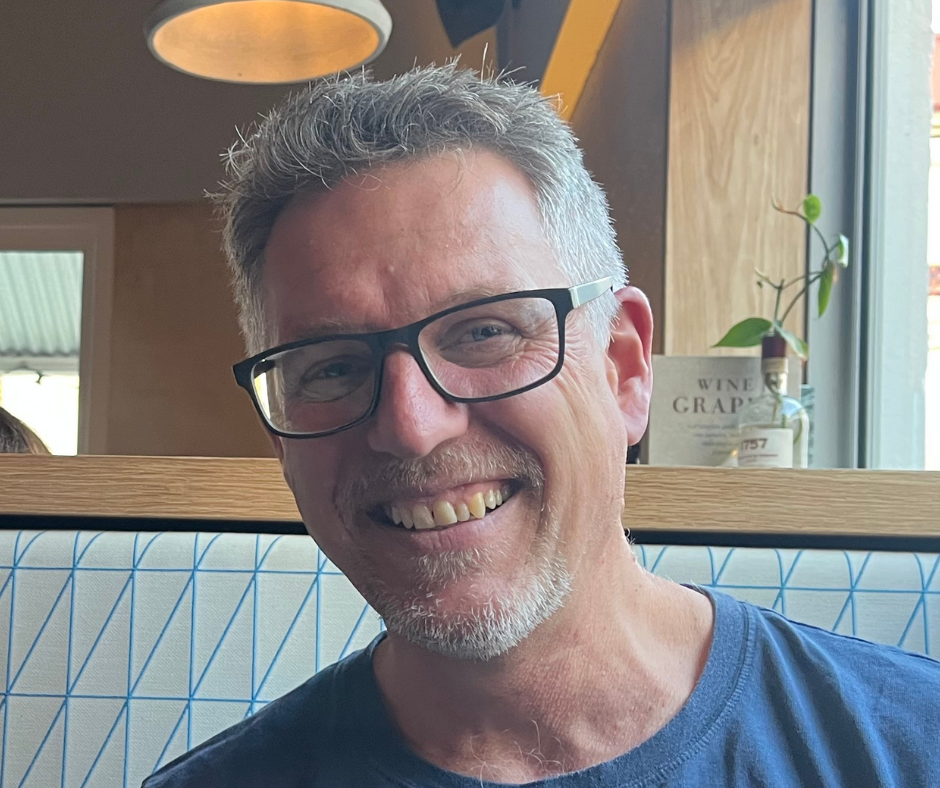
Jonathan Bedloe is the CEO of Men’s Resources Tasmania (MRT), with over 20 years’ experience in grassroots suicide prevention, men’s health and wellbeing, and community development. Jonathan is an accredited Mental Health First Aid and Suicide Intervention trainer, and this his own business consults to various organisaitons. He was awarded the 2022 LiFE Award for Outstanding Contribution to Suicide Prevention.
Jonathan led the formation of Men’s Resources Tasmania and works across the state to raise awareness of men’s mental health and suicide prevention. He has spent years connecting communities, supporting men to find purpose, and creating practical, local solutions for wellbeing – from workshops and training programs to public events and policy advocacy.
MRT is a community-based, not-for-profit organisation supporting men and boys across Tasmania. Working at the grassroots level, MRT delivers workshops, presentations, and practical resources, and contributes a male perspective to public conversations and policy. The organisation operates largely through volunteers, members, and supporters, helping men connect, engage, and thrive.
Meeting Men on the Ground | A Personal Pathway
Jonathan will share his own story of why he connected with men’s work and suicide prevention – from feeling isolated and stuck in one of the busiest cities on the planet after a relationship breakdown, to discovering his role as a dad, and finding purpose in men’s work. Attendees will hear how he now leads Men’s Resources Tasmania, runs his own business, and collaborates with communities to create practical, on-the-ground impact in men’s wellbeing.
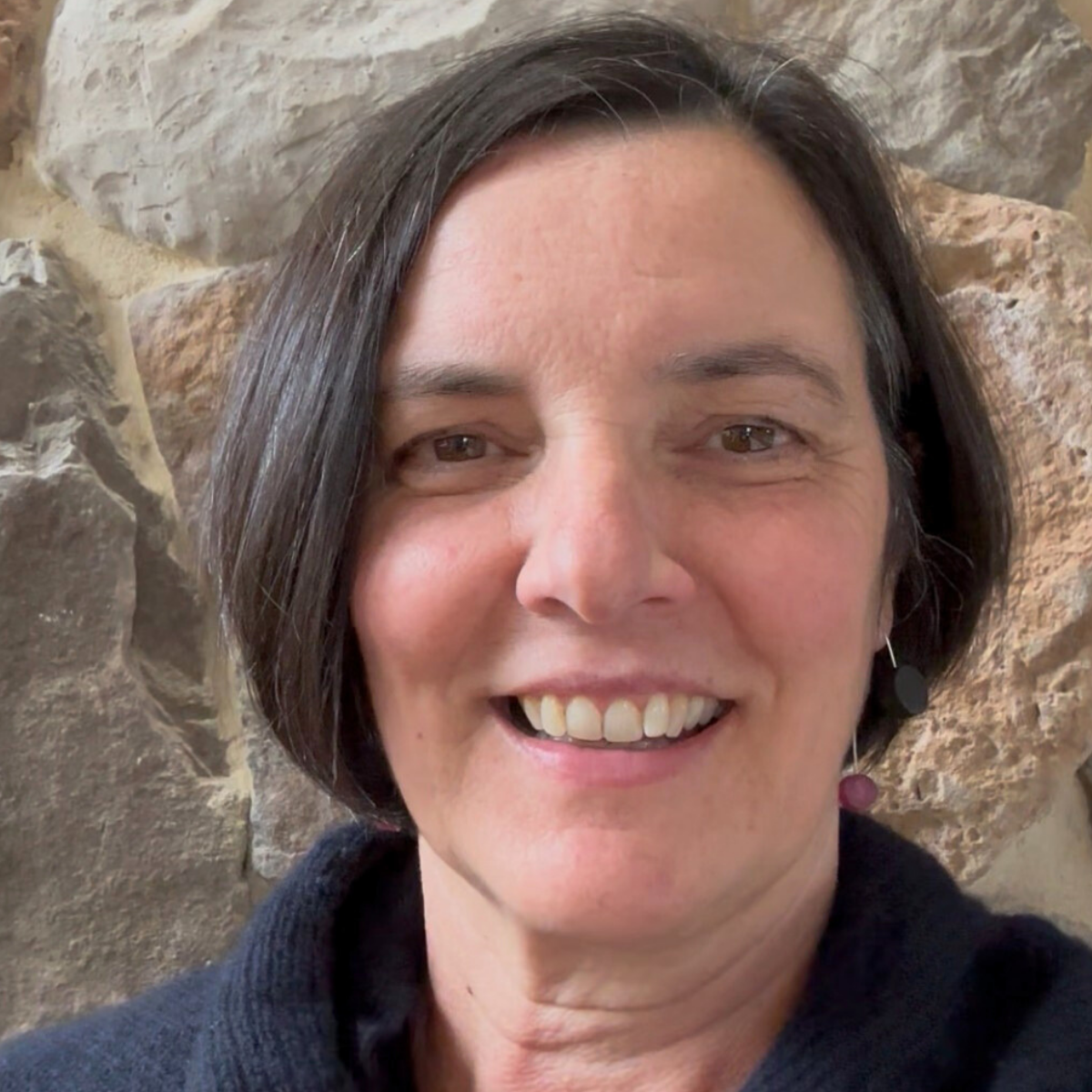
Miranda Stephens is a Clinical Psychologist, internationally accredited mindfulness teacher, Clay Conversationist and a co-founder of Mindfulness Programs Australasia. Miranda is a northwest tassie local and is passionate about equity and access to mental health services in rural areas as well as the power of group programs. She’s also passionate about pottery (among lots of other things) and loving being a new grandmother!
Growing Presence | Mindfulness tools and grounding practices to support focus and wellbeing
Miranda Stephens will guide attendees through a short and interactive exploration of practical mindfulness techniques. Her session includes a brief introduction to the foundations of mindfulness, alongside three grounding breathing practices delivered at different points throughout the day. These gentle pauses are designed to help participants reset, reconnect, and arrive with greater calm, focus, and presence. Ideal for anyone looking to weave steadiness and clarity into both their work and daily life.
(4 community groups | 10 minutes each across 1 hour)
This year’s community groups include:
-
Amanda Cuthbertson – Albie House
-
Mez Newman – Cygnet Community Hub
-
Monique Brumby – Still Gardening
-
Jordine Tenten – Hilltop Hike
This session highlights grassroots initiatives happening across Tasmania, showcasing how locally led efforts are growing hope, connection, and sustainable change from the ground up. It also explores how collaboration strengthens impact across local, regional, and statewide contexts.
As part of the 2026 Tasmanian Suicide Prevention Forum, four community groups will share short, informal 10-minute talks about their local work — the challenges they are addressing, the initiatives they are leading, and the ways their communities are coming together to build safety, connection, and lasting impact.
This is an opportunity to hear both practical actions and the human stories behind them. Join us to celebrate grassroots leadership and be inspired by Tasmanians making meaningful change in their own communities.
Q&A to follow
Workshops
Three workshops were offered to gain practical skills, learn key insights, and contribute towards change in suicide prevention across Tasmania.
Nurturing Wellbeing | A Self-care Workshop by CORES
This one-hour workshop was a gentle offering for anyone in the community who needed to pause, reflect, and reconnect with their own wellbeing.
Beginning from the ground up, the session focused on the everyday foundations that support mental wellbeing, the small, sustainable practices that help us feel steadier, more connected, and better resourced in our daily lives.
Attendees were supported to develop a practical, individualised self-care plan that reflected what matters to them, and the realities of their life. Together the group explored simple strategies that nurture physical, emotional, social, spiritual, and mental wellbeing, and consider how resilience can be built gradually, in ways that feel achievable and kind.
This workshop recognised that self-care looks different for everyone, and that caring for ourselves and each other requires intention, practice, and ongoing attention.
About the Facilitator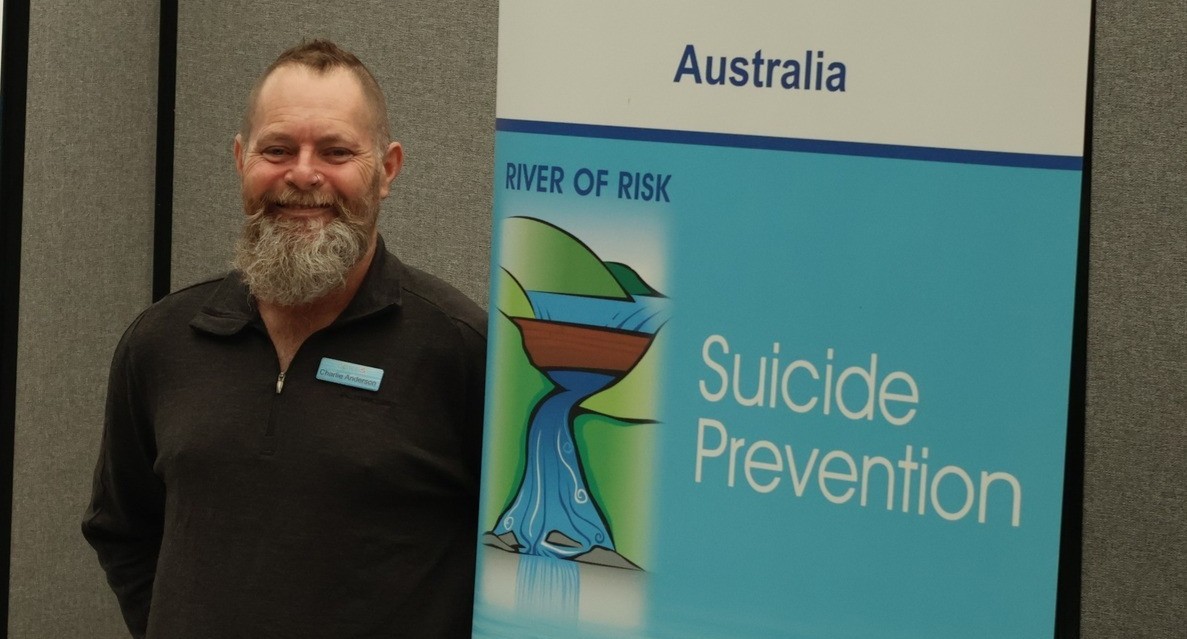
Charlie Anderson is passionate about living a good life and supporting others to do the same. Their work is grounded in the belief that wellbeing grows through connection, meaning, and practices that meet people where they are.
Charlie brings together formal education, professional training, and lived and living experience. They are an experienced mental health educator and facilitator with over 10 years’ experience designing and delivering programs across community, lived experience, workforce, and advocacy settings.
Charlie holds a Diploma of Mental Health and a Certificate IV in Mental Health and Alcohol and Other Drugs, and is a licensed trainer in International Peer Support, Outcomes Star, and CORES Australia (Facilitator and Train the Trainer). They are also a long-standing advocate and leader within the LGBTIQA+ community.