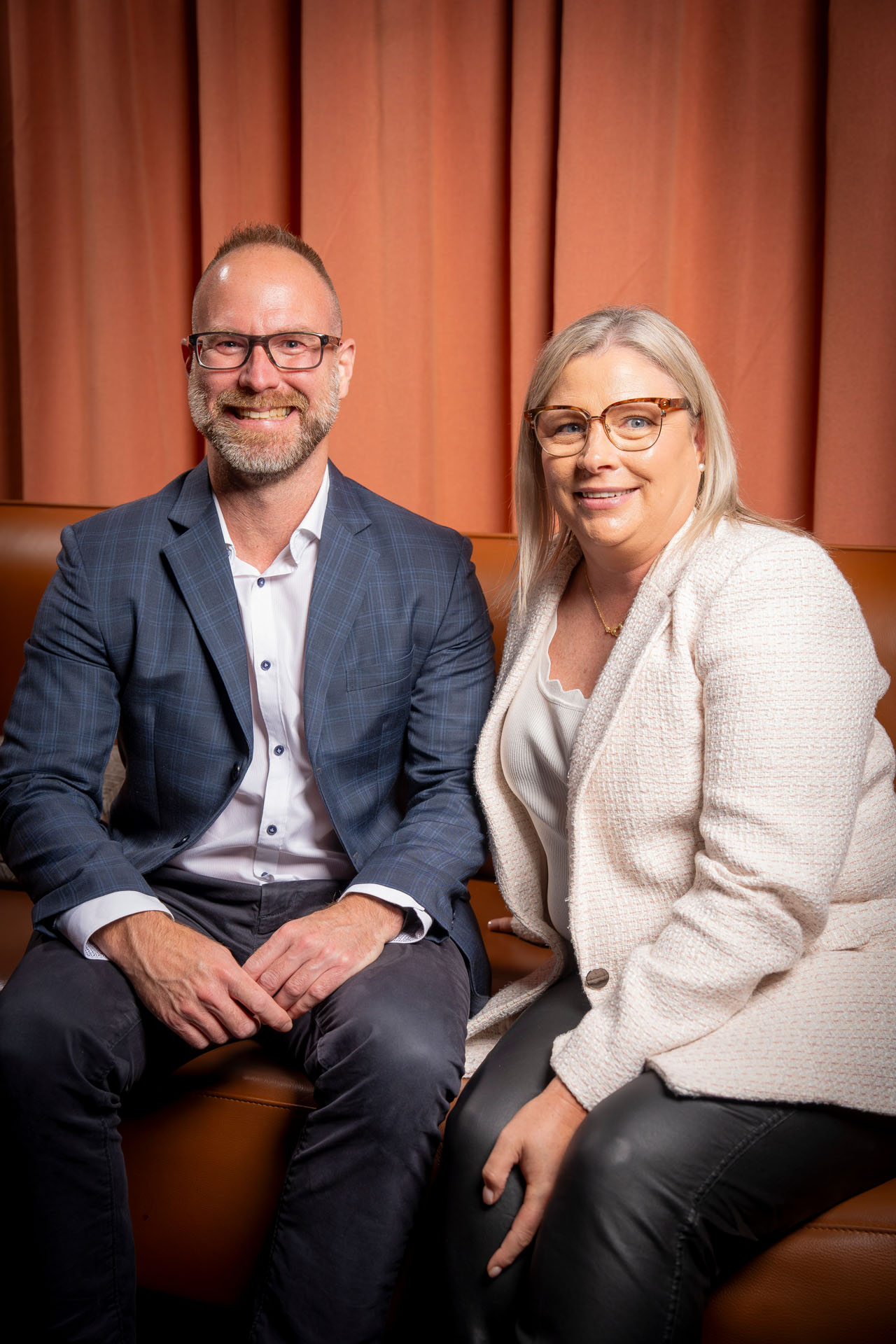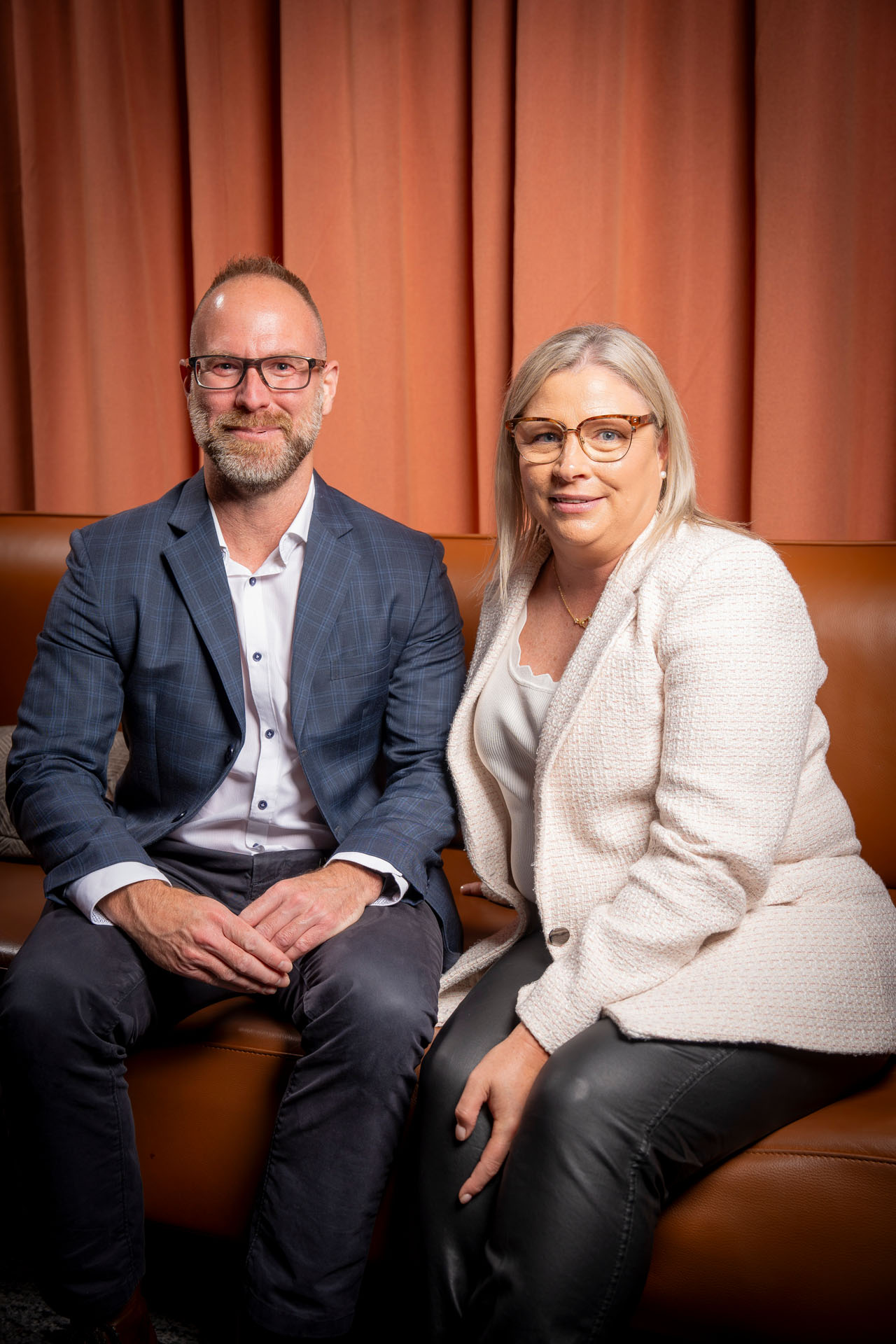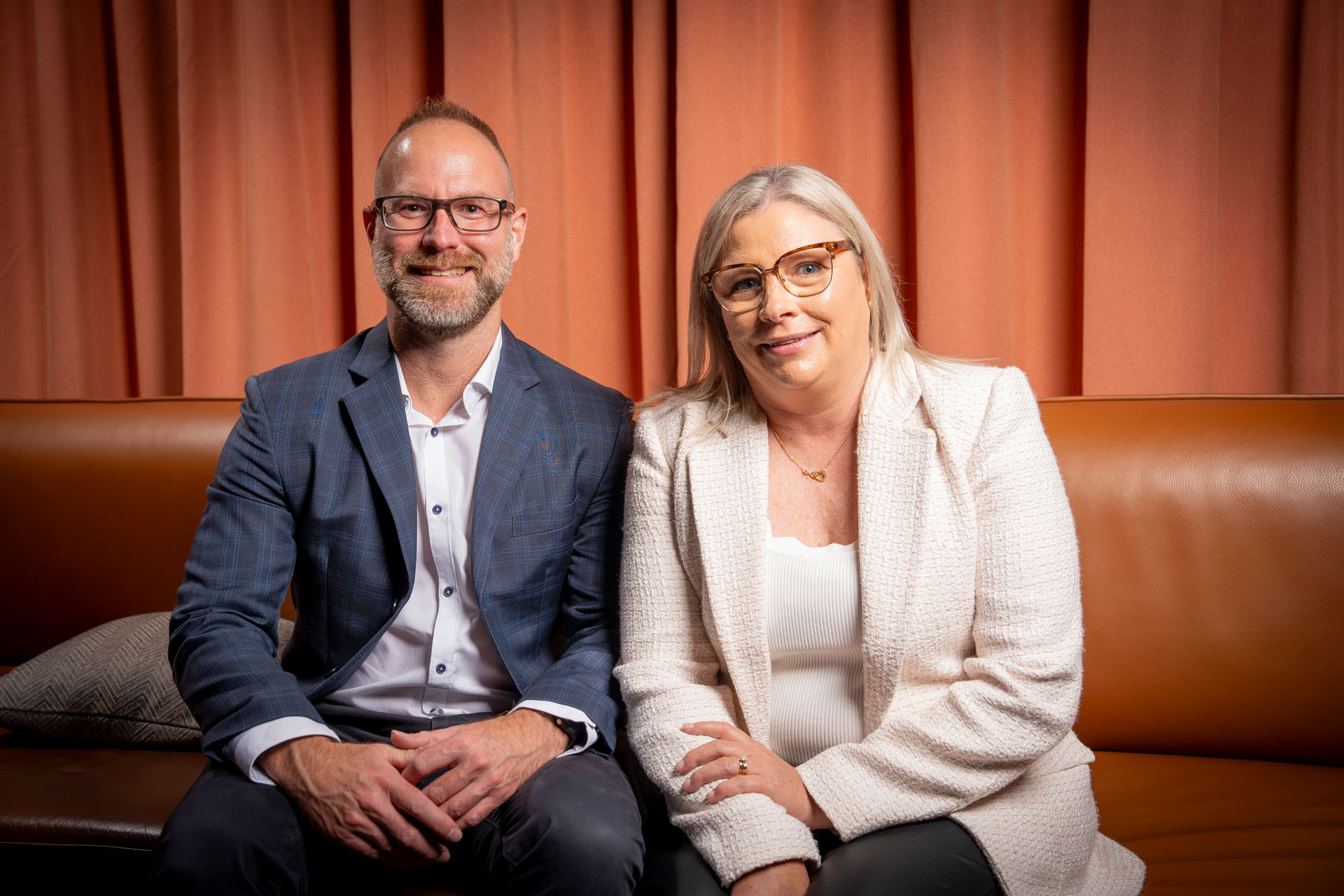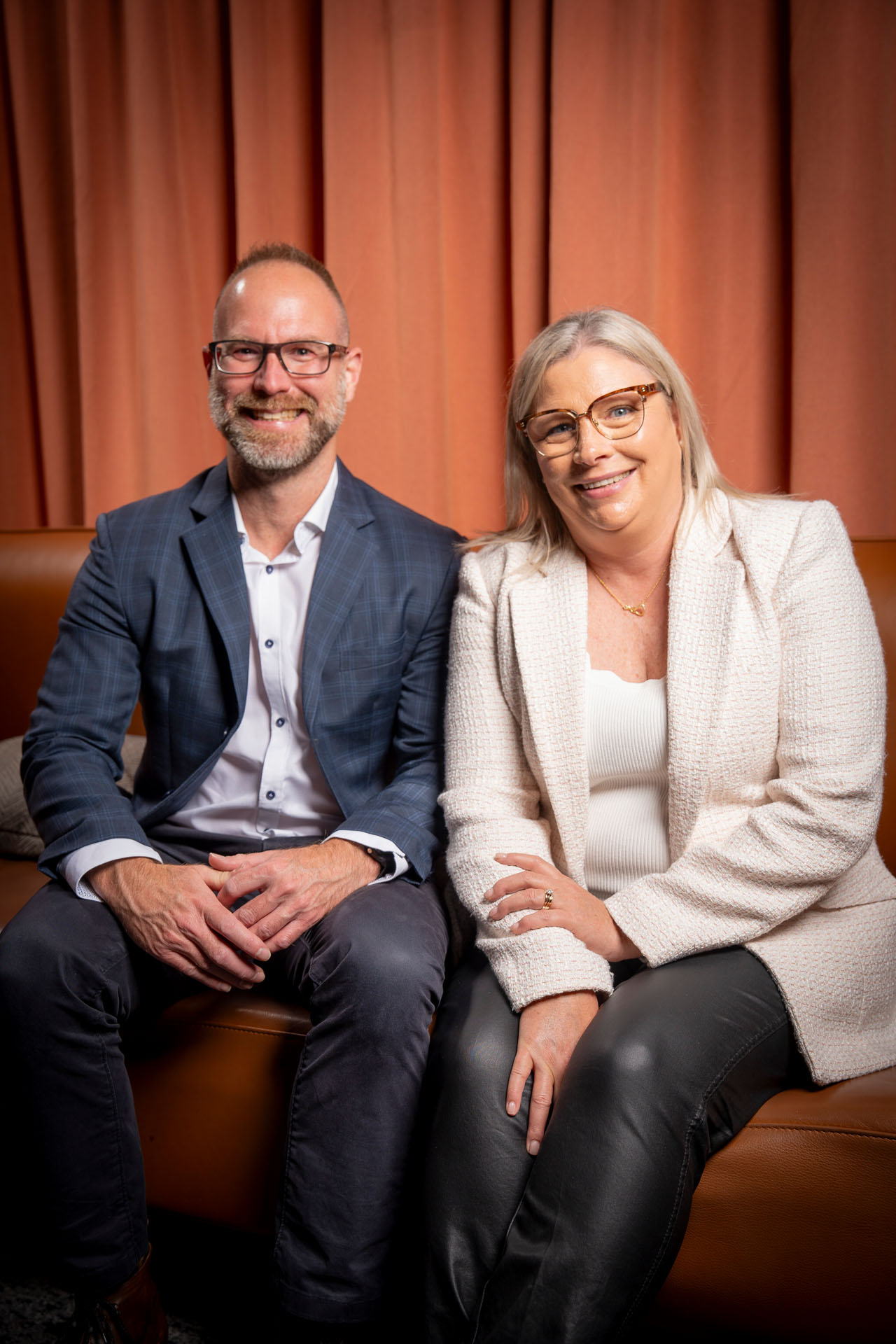


2026 Winners
Tasmanian LiFE Awards
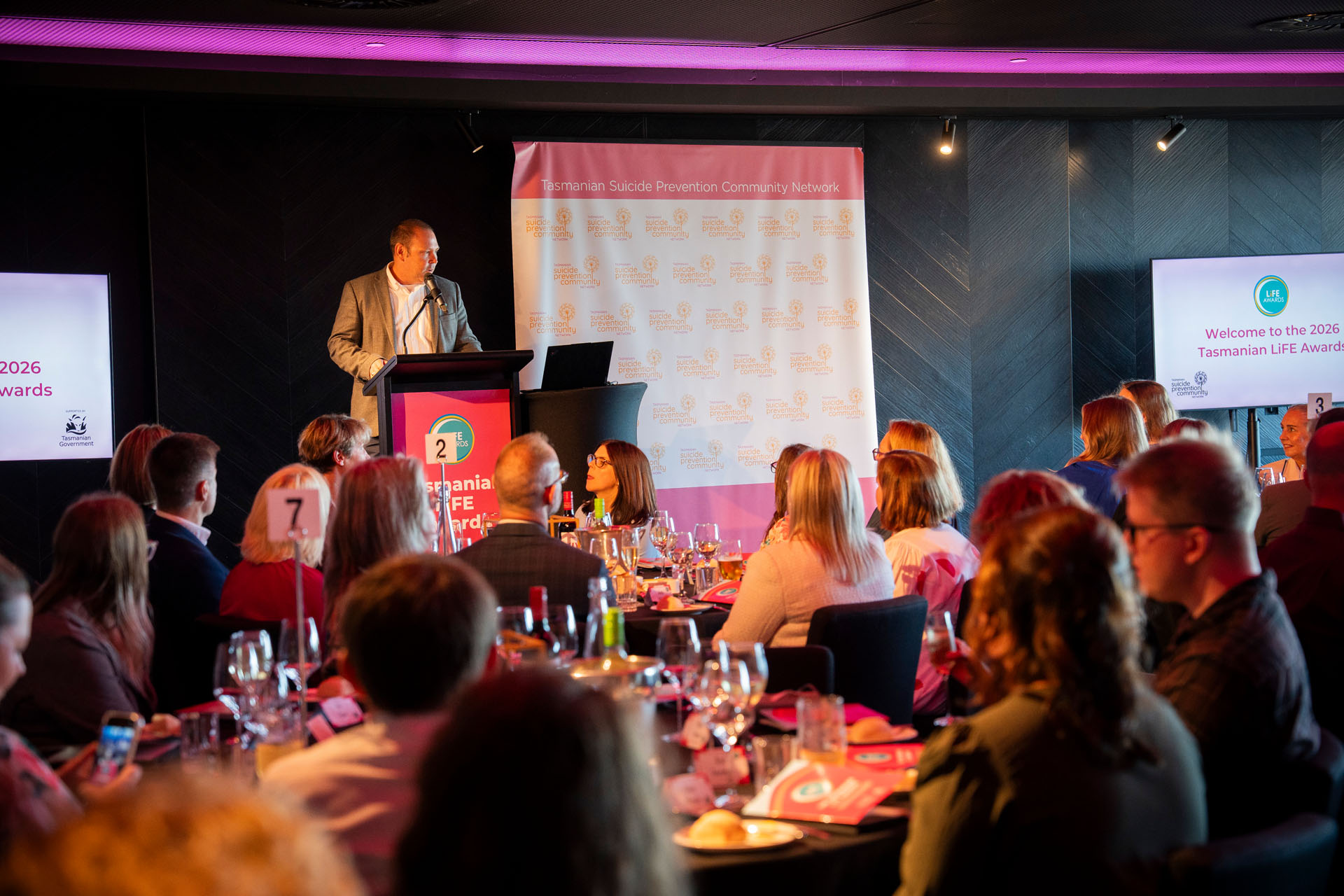
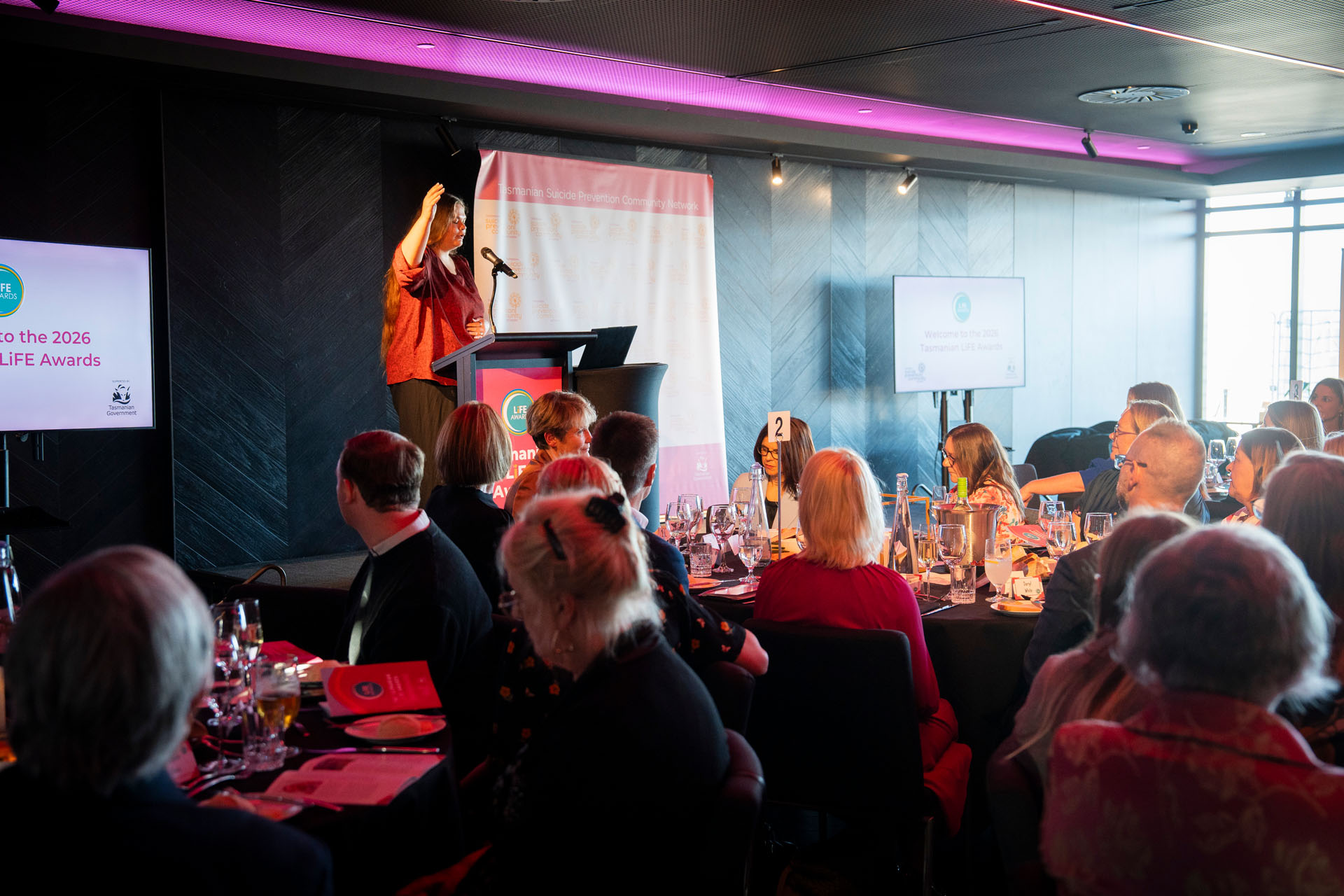
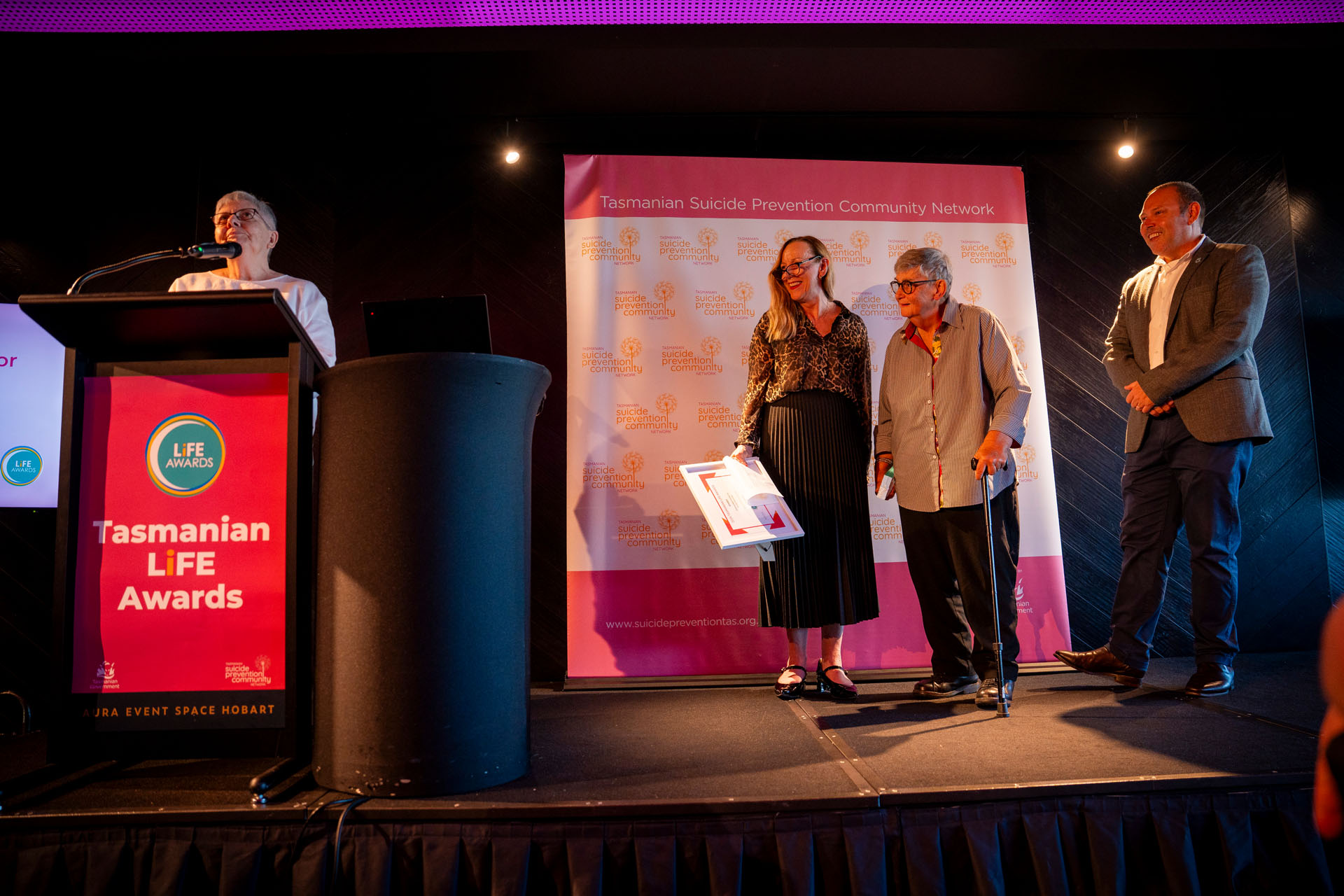
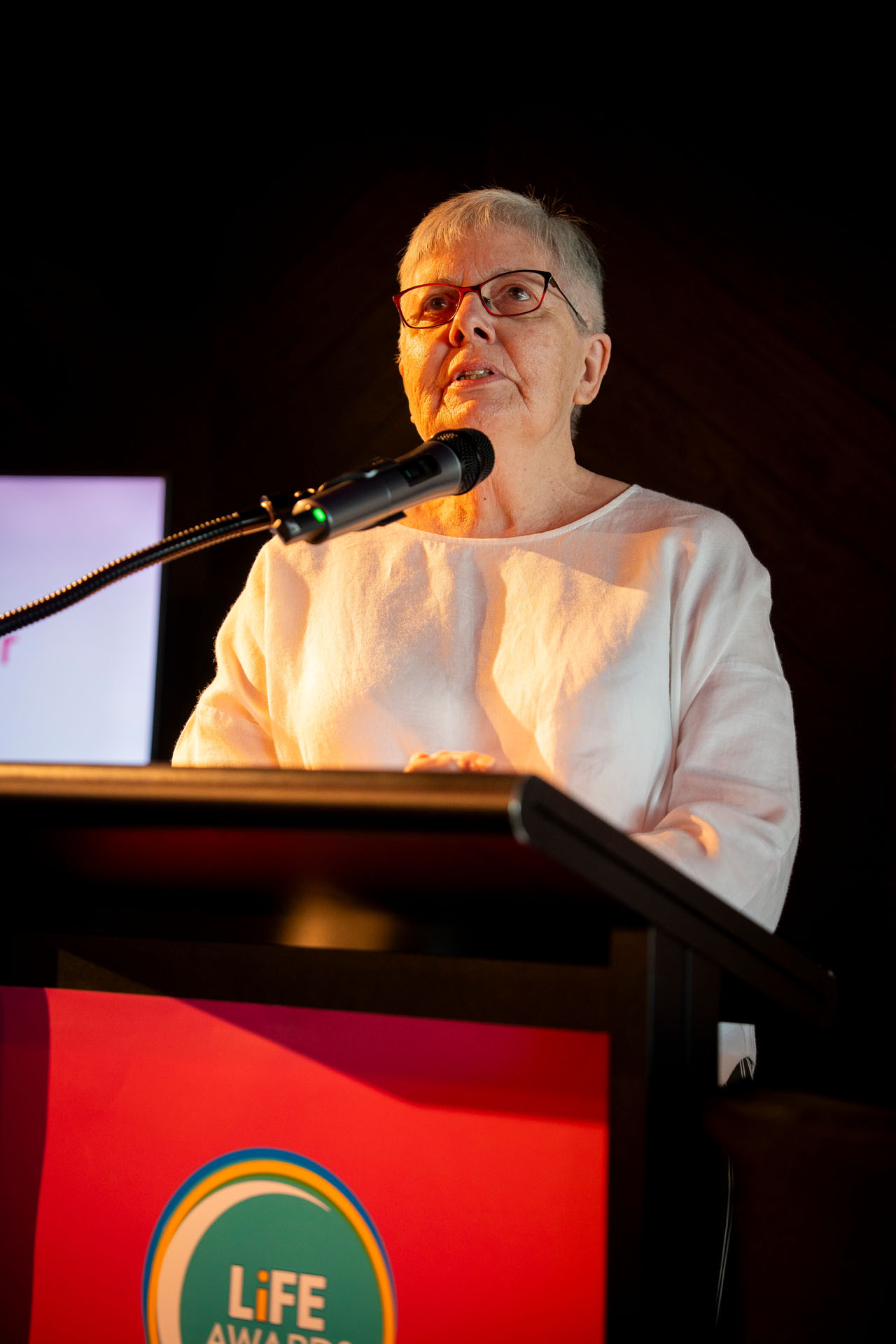
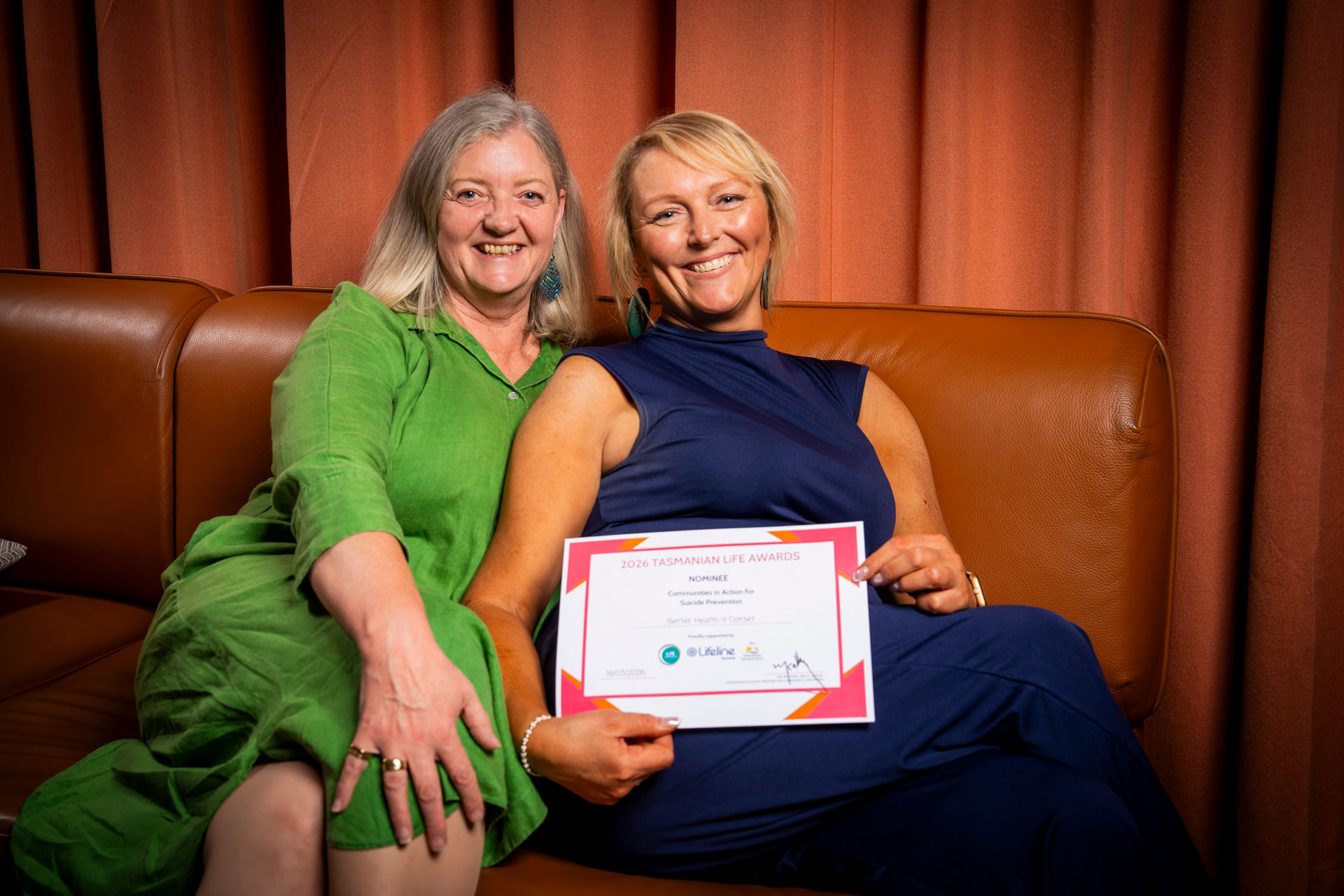
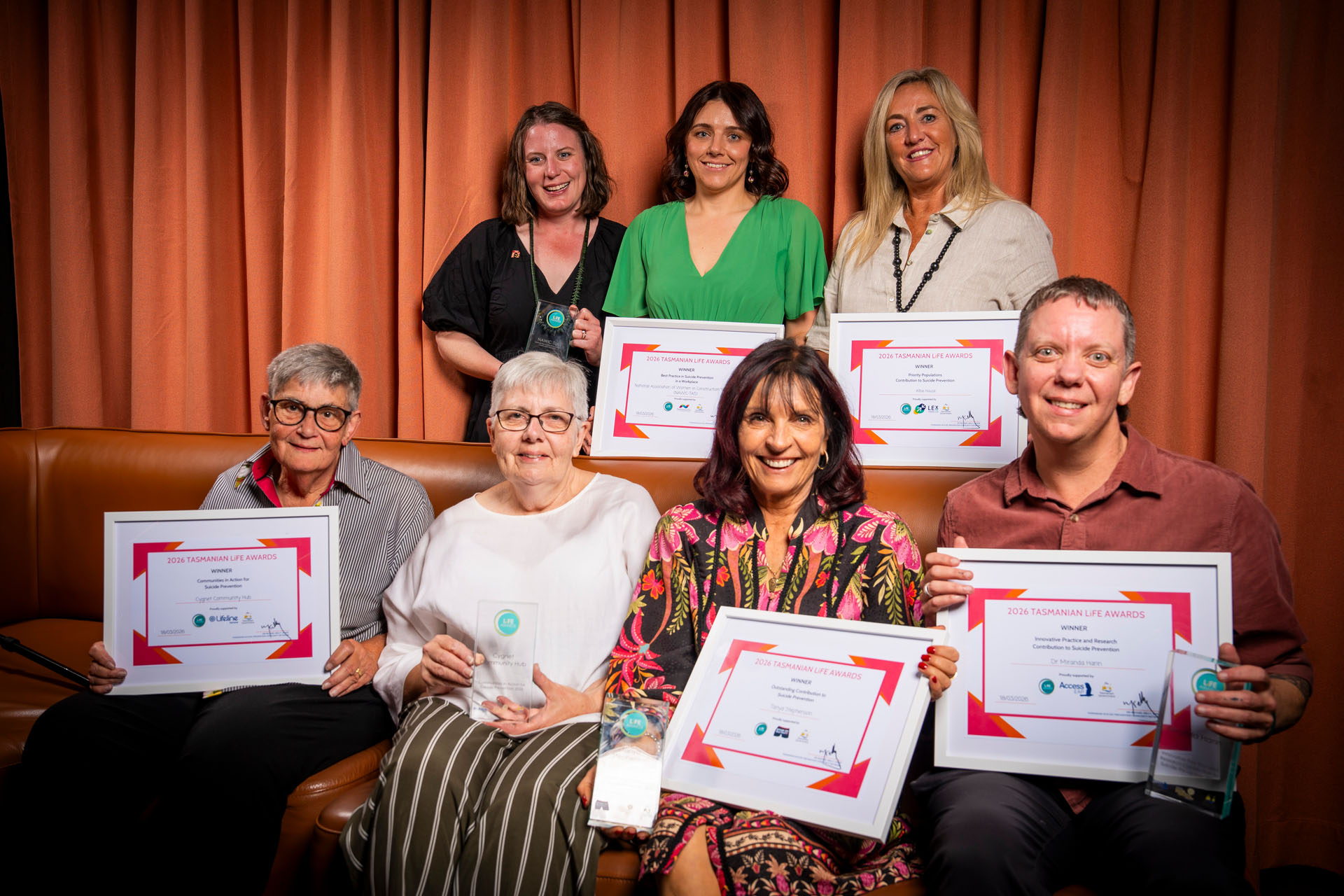
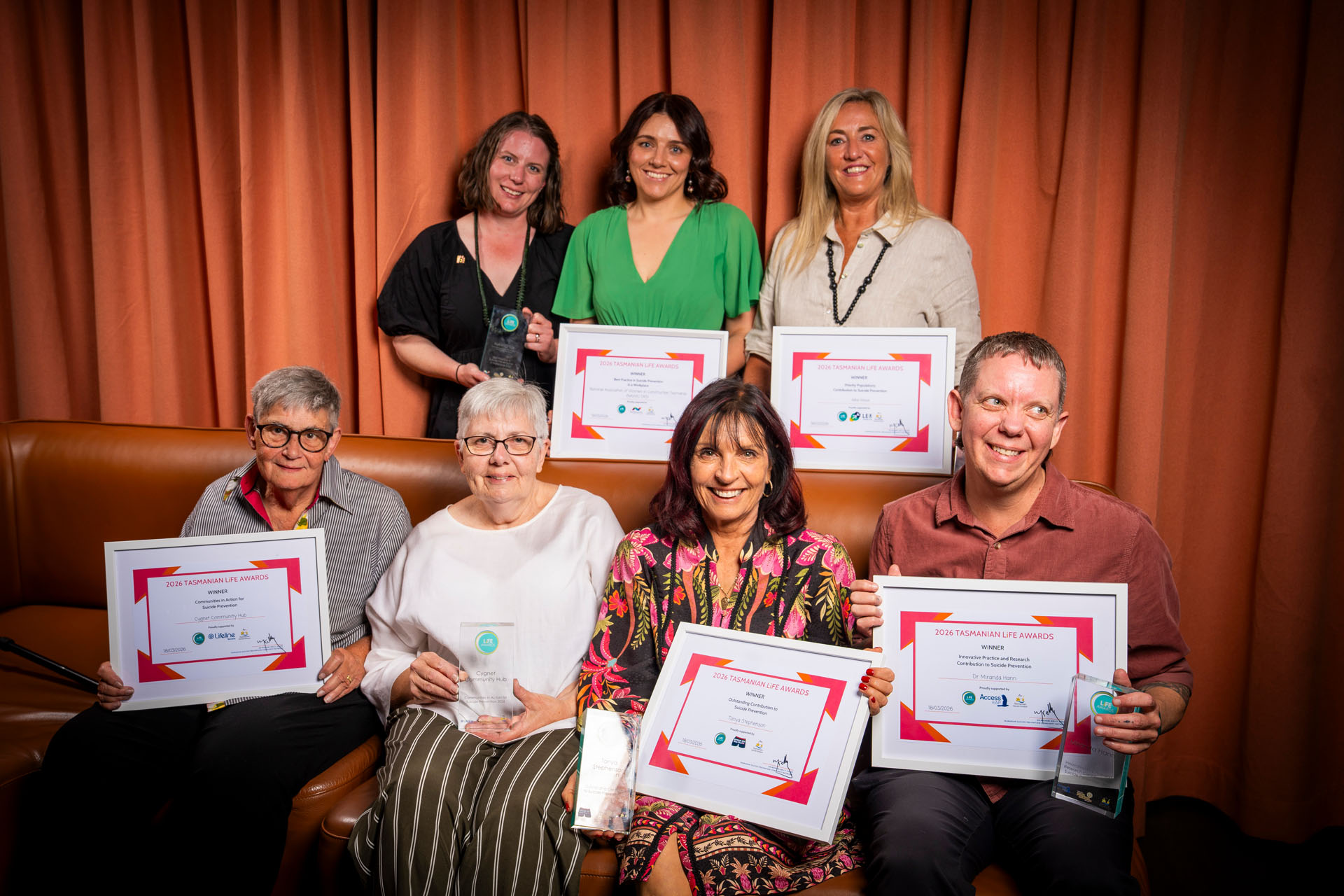
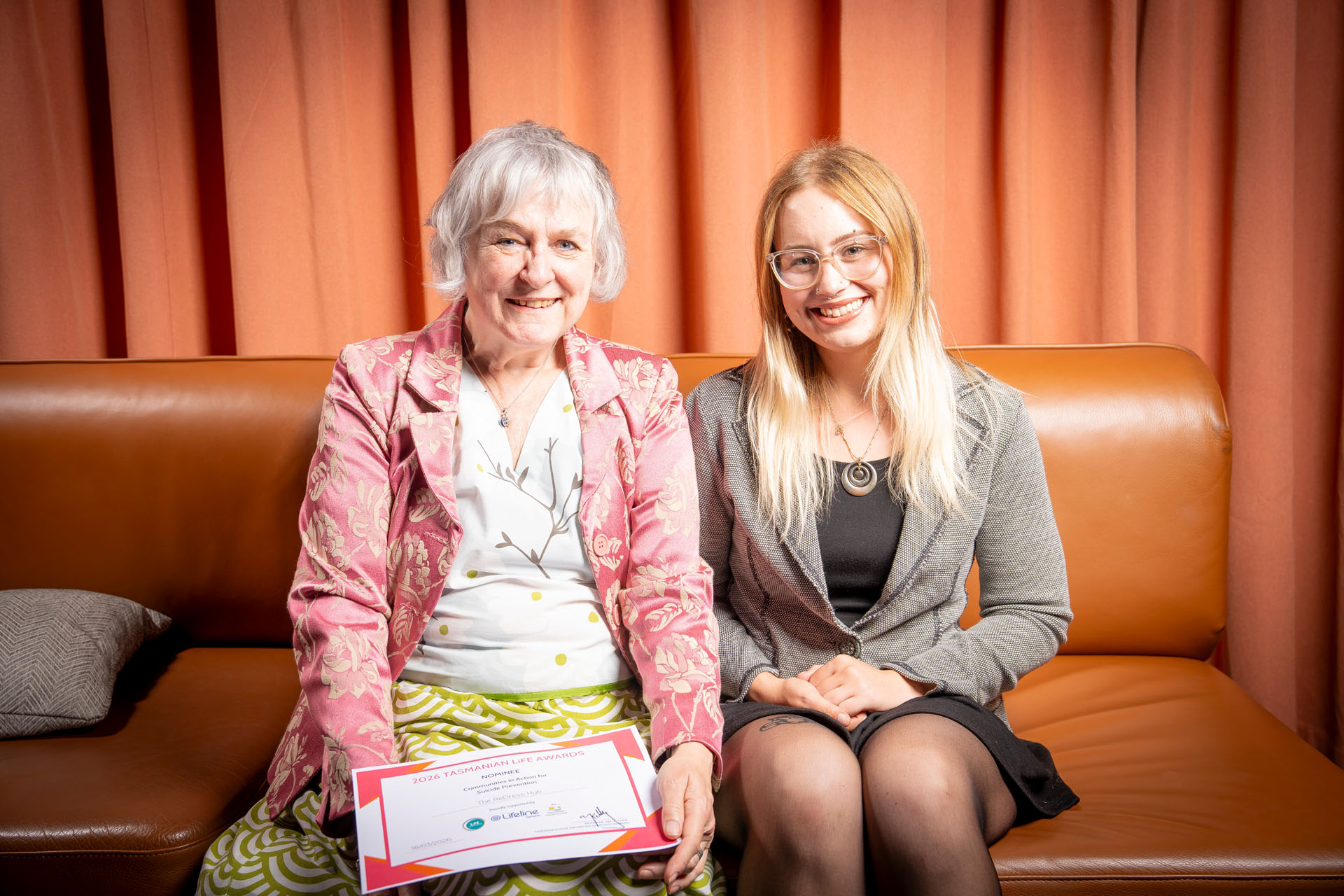
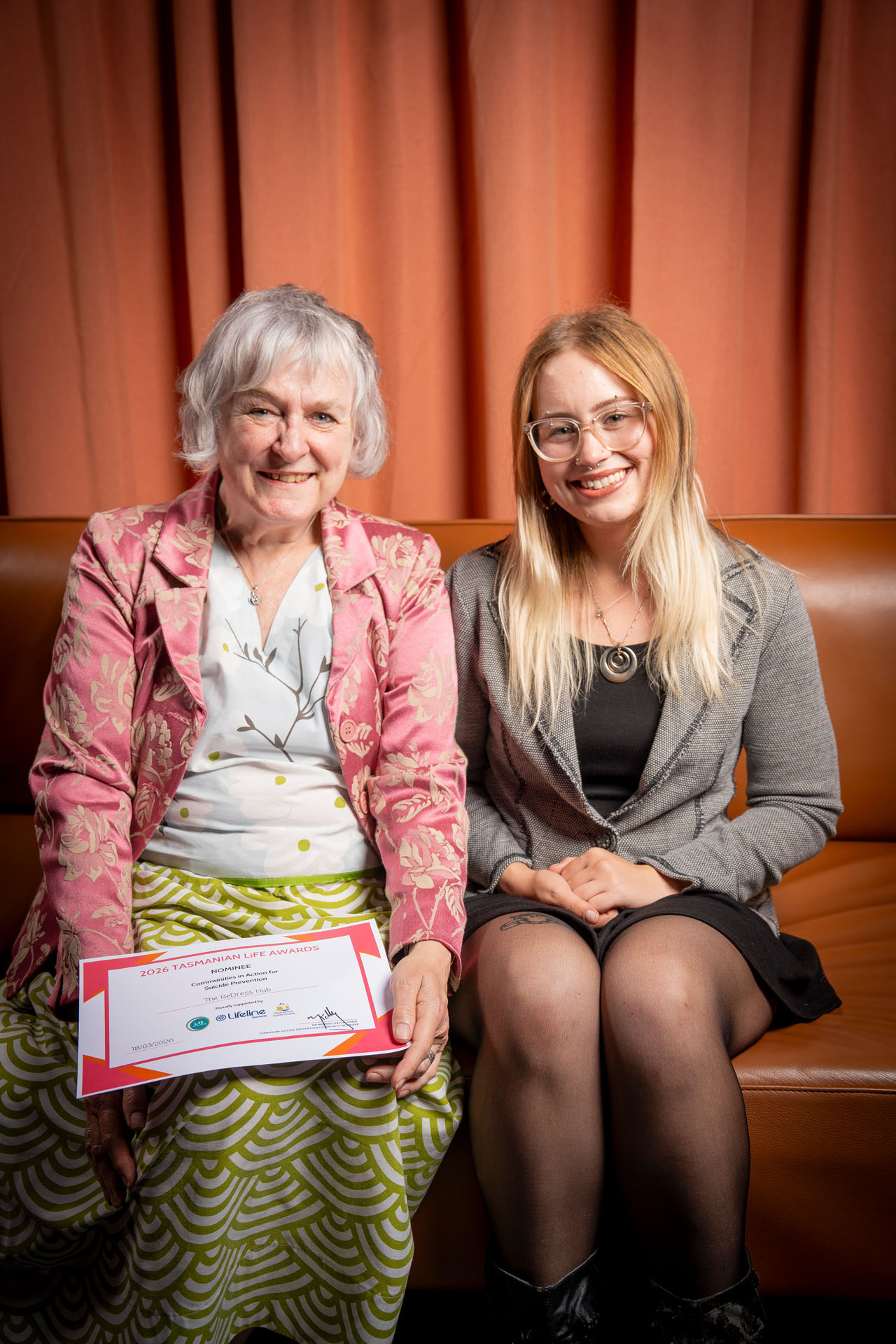
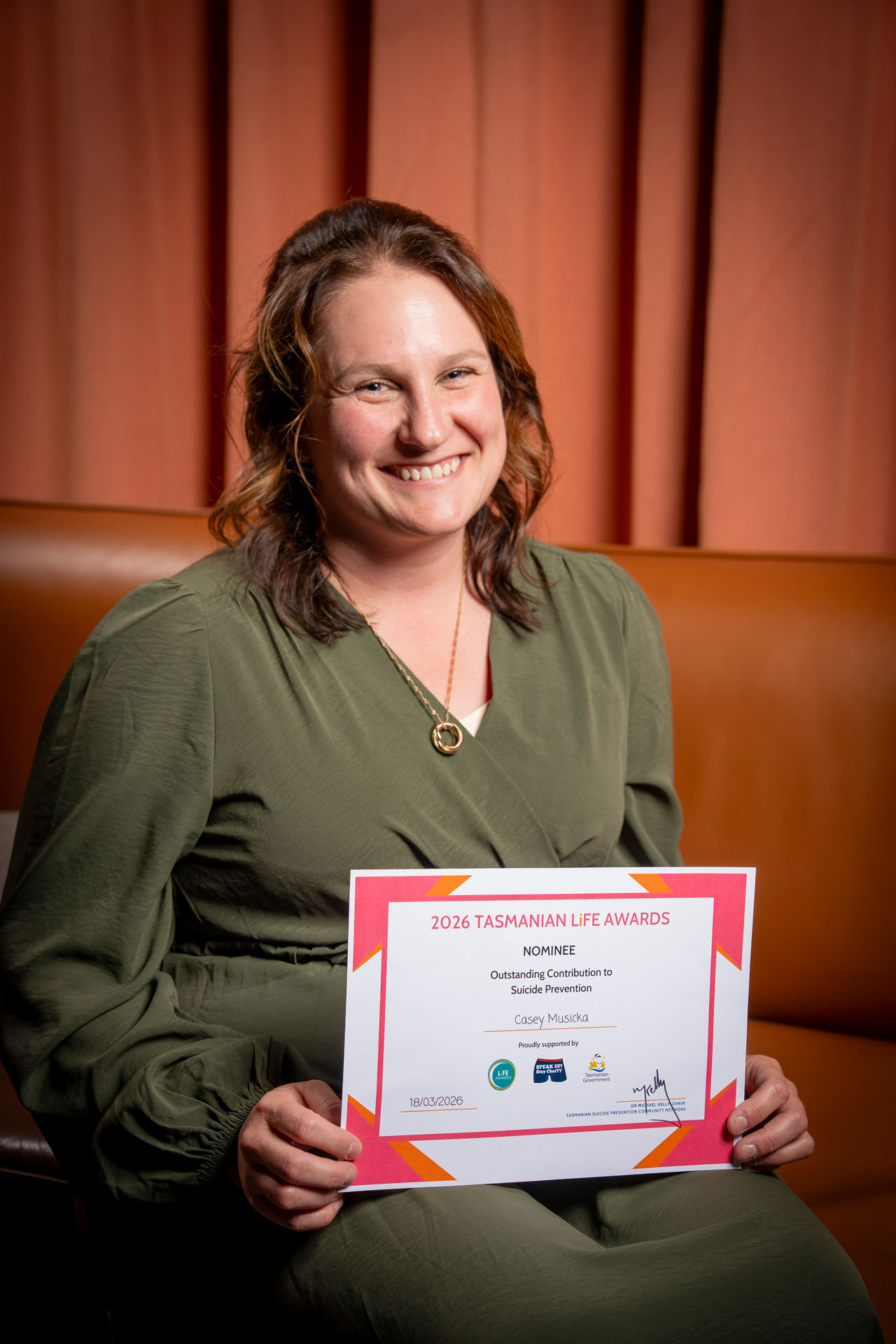
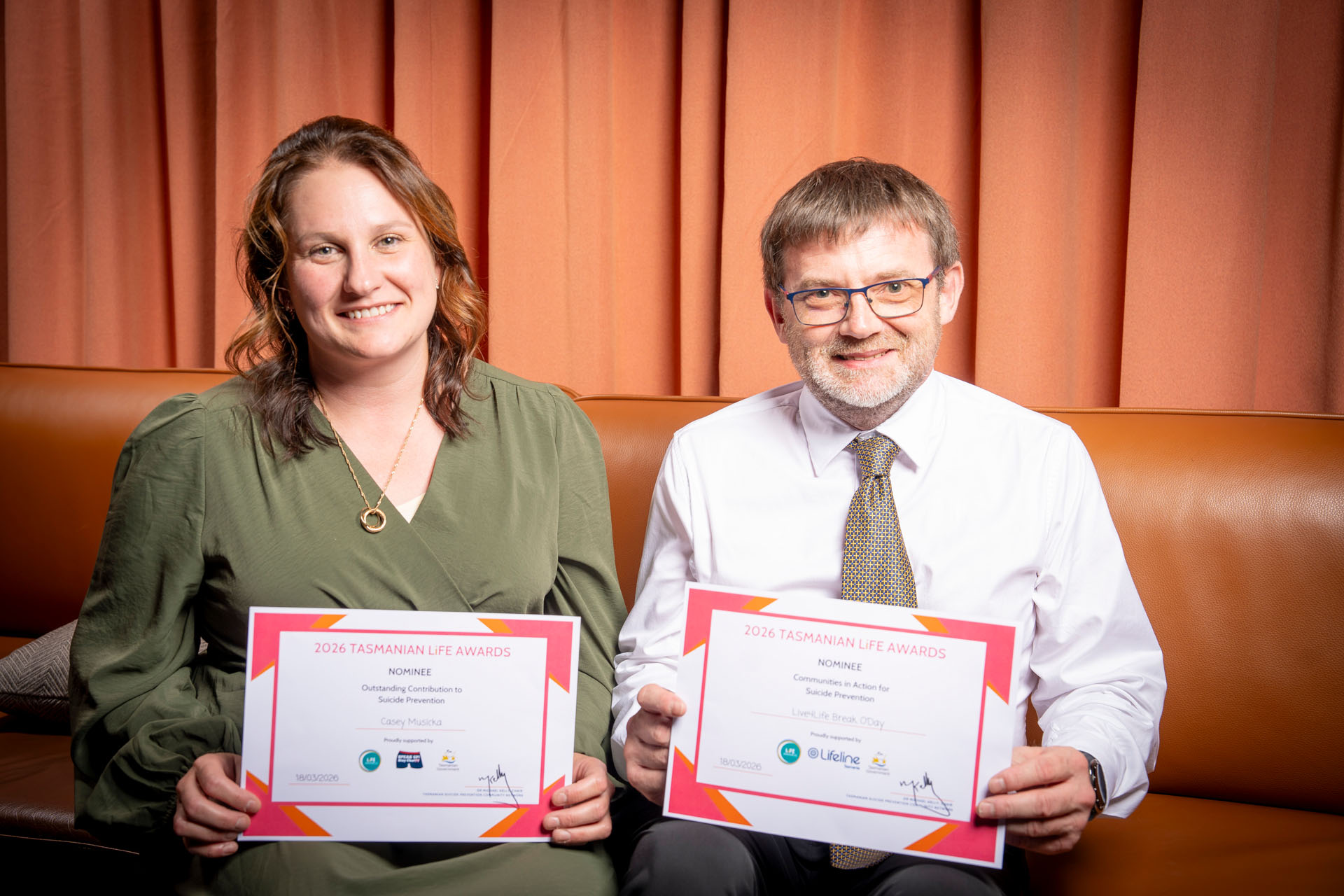
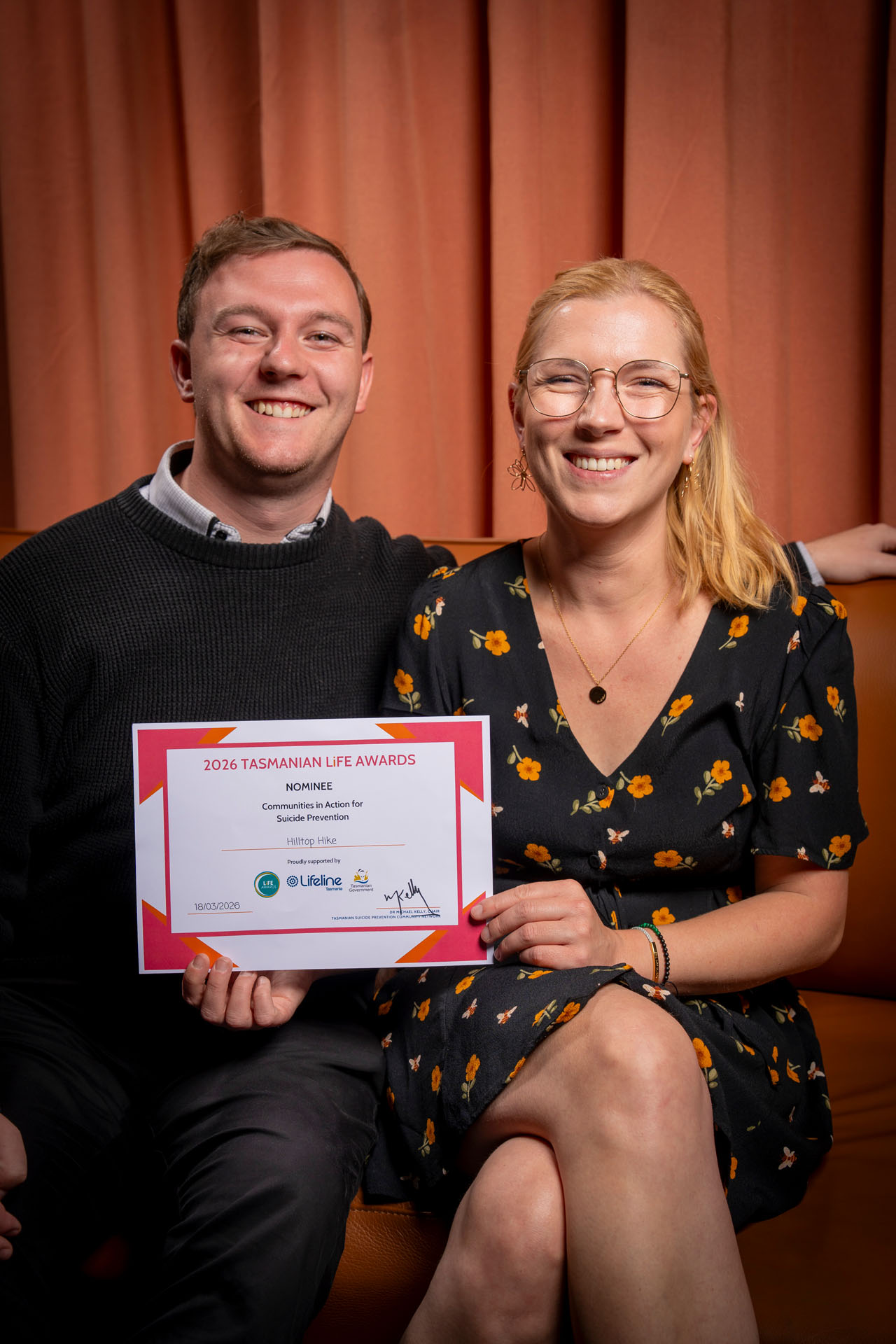
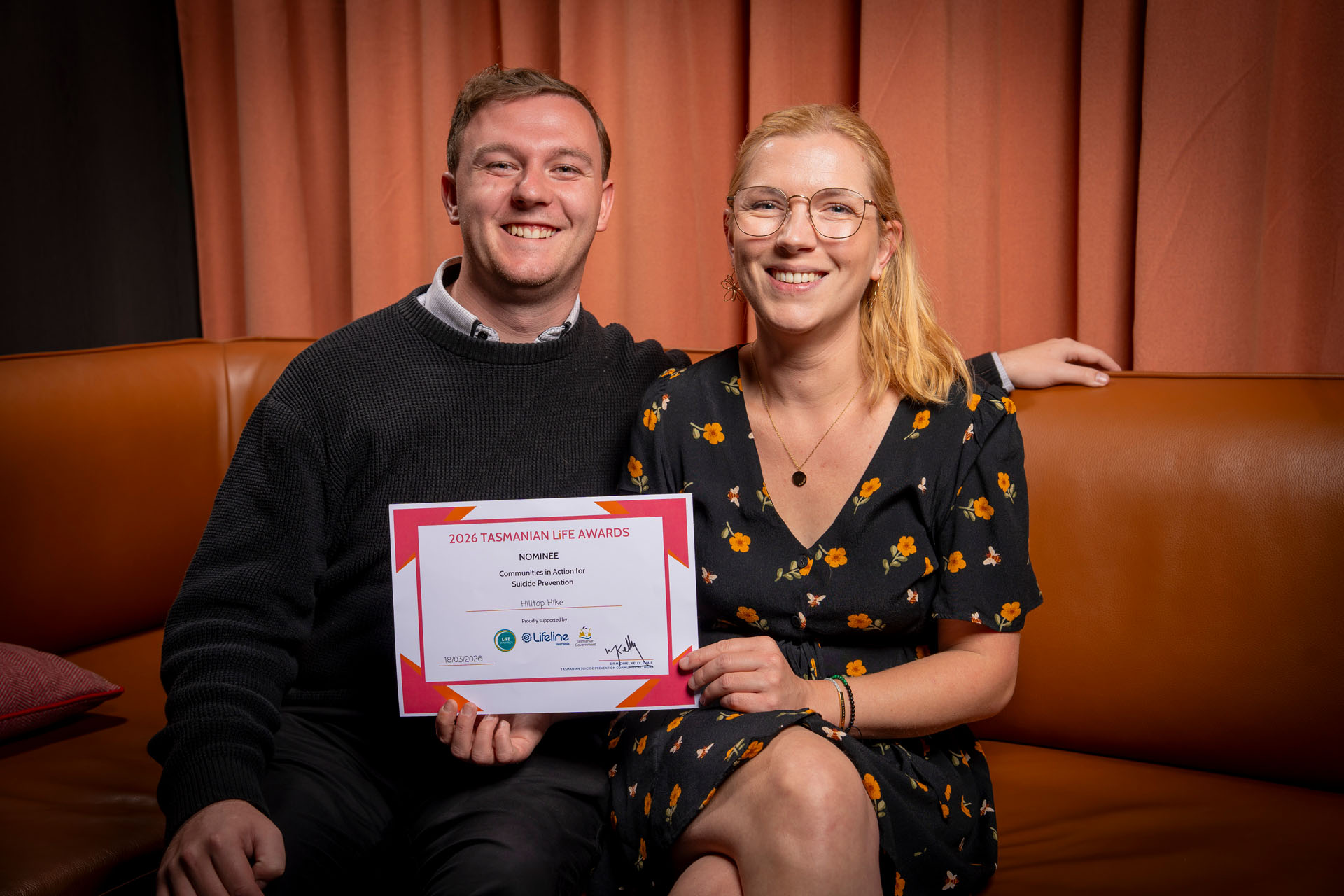
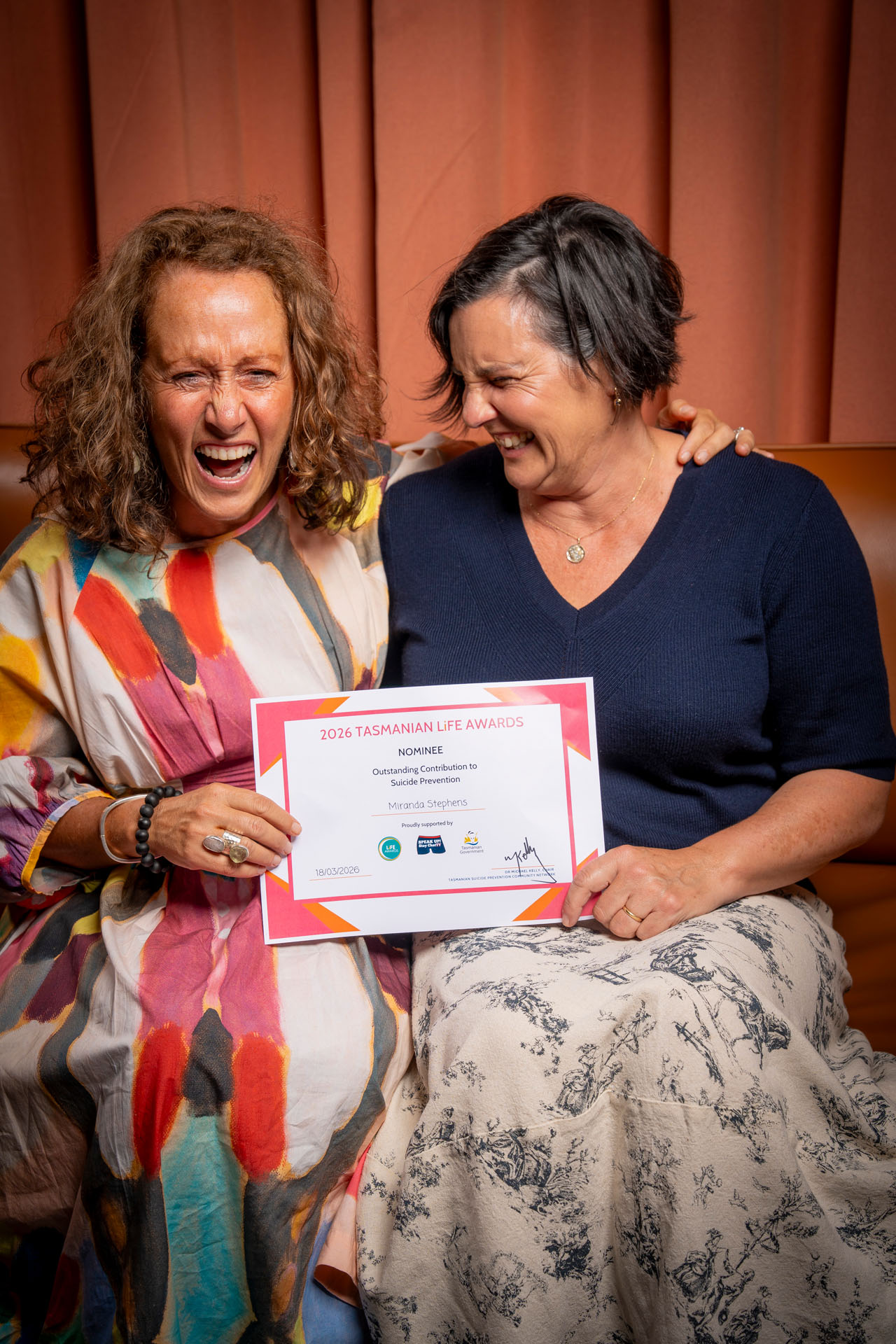
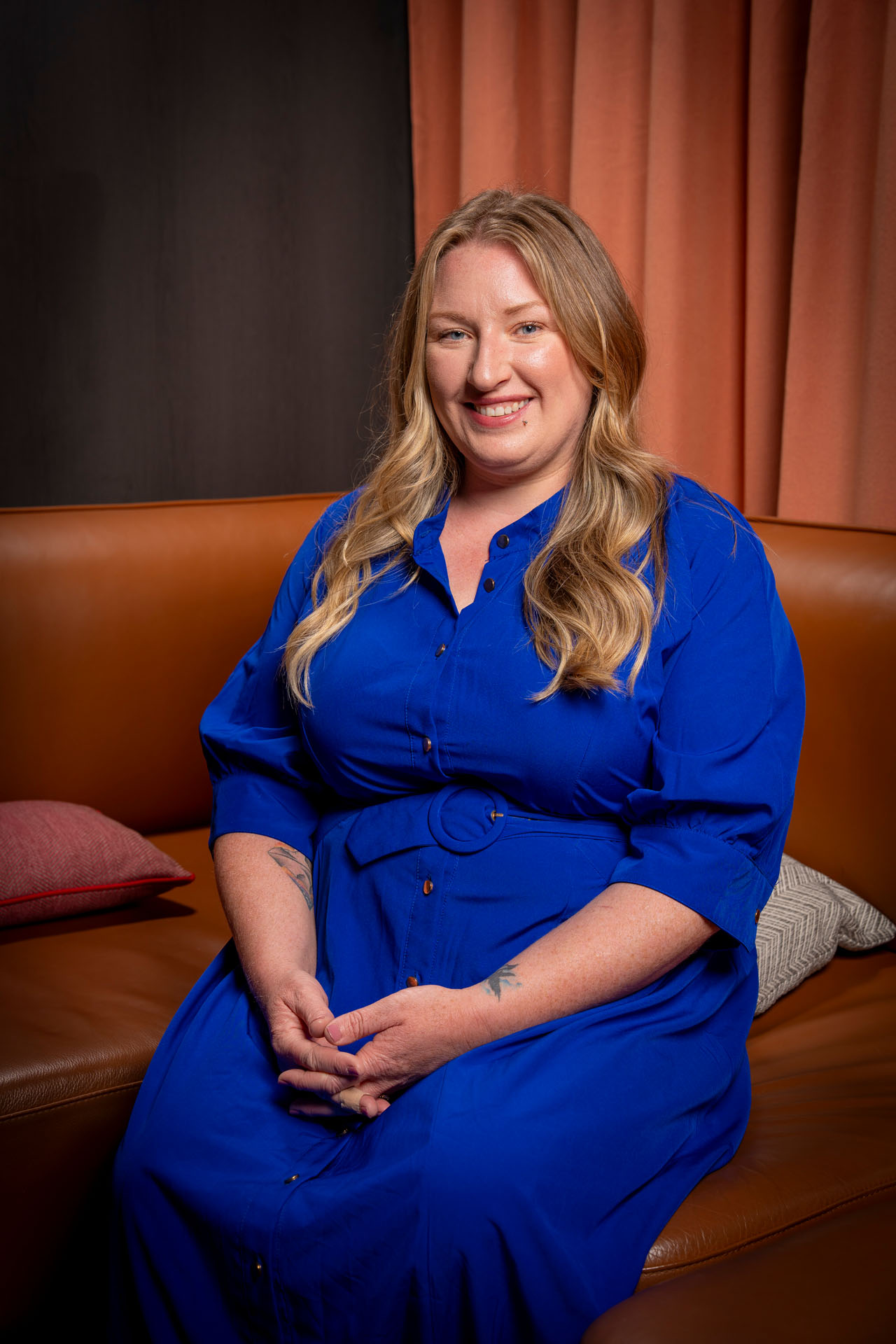
The 2026 Tasmanian LiFE Awards brought together a vibrant and connected community of people working across suicide prevention in Tasmania, creating a powerful sense of energy, recognition, and collective impact.
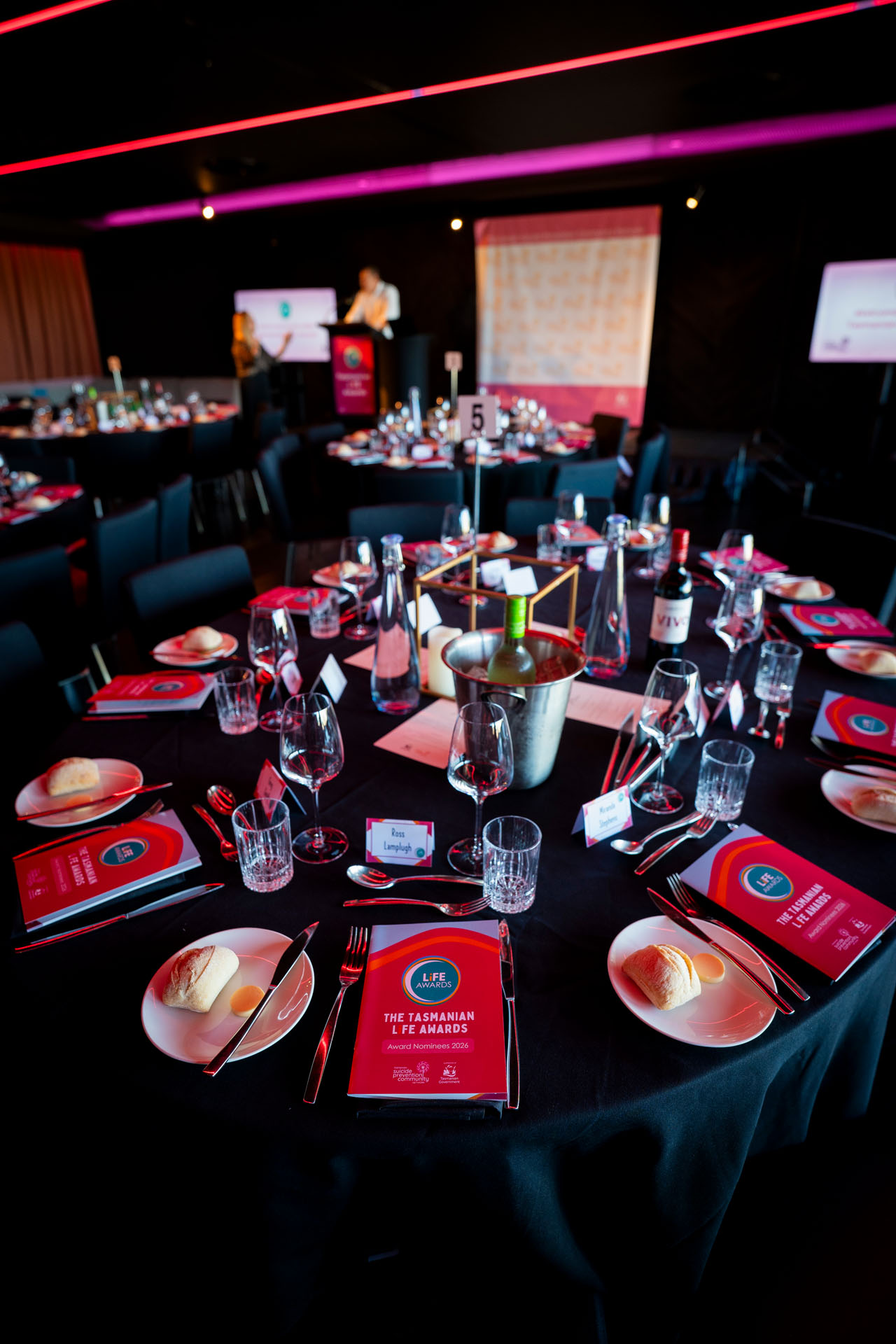
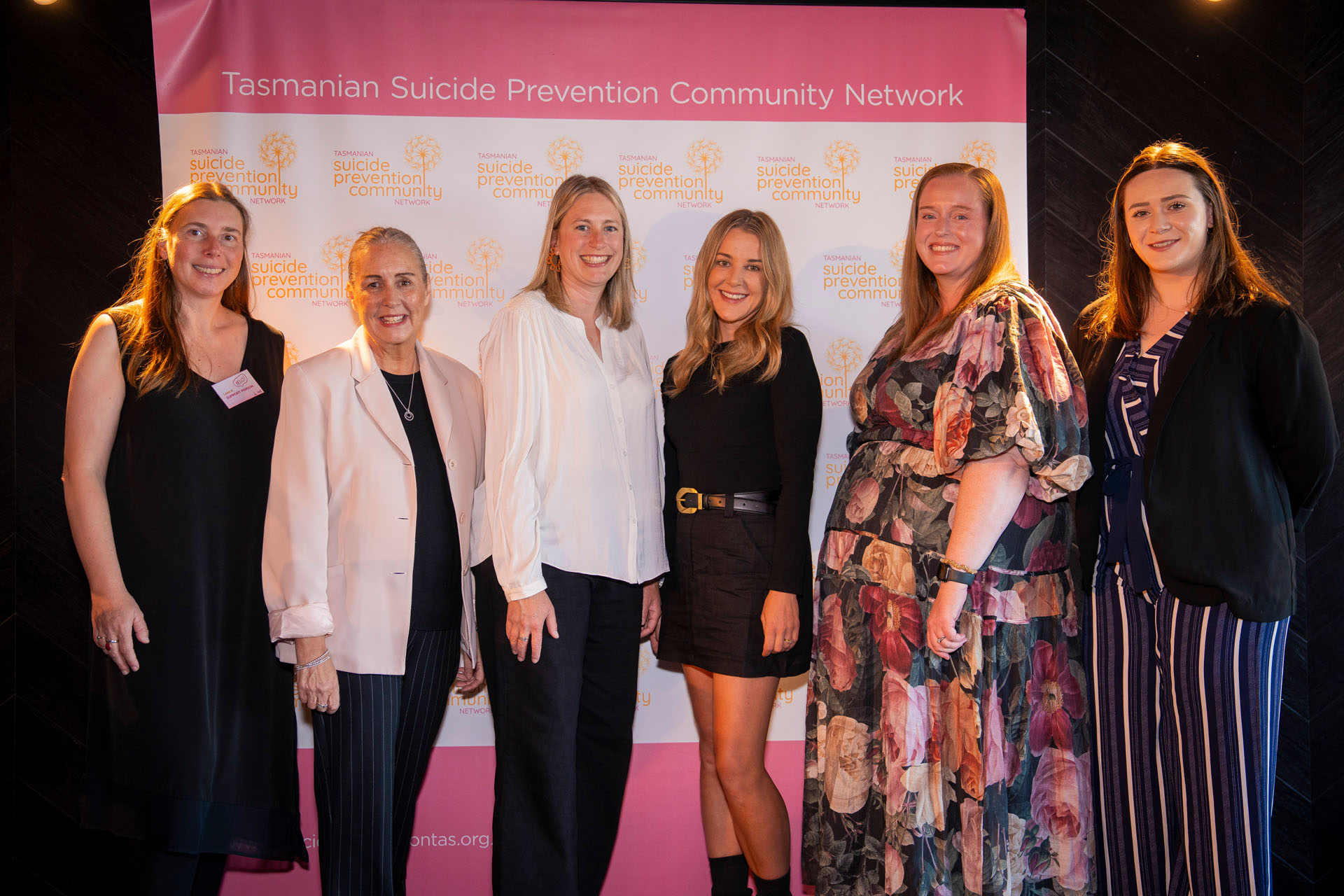
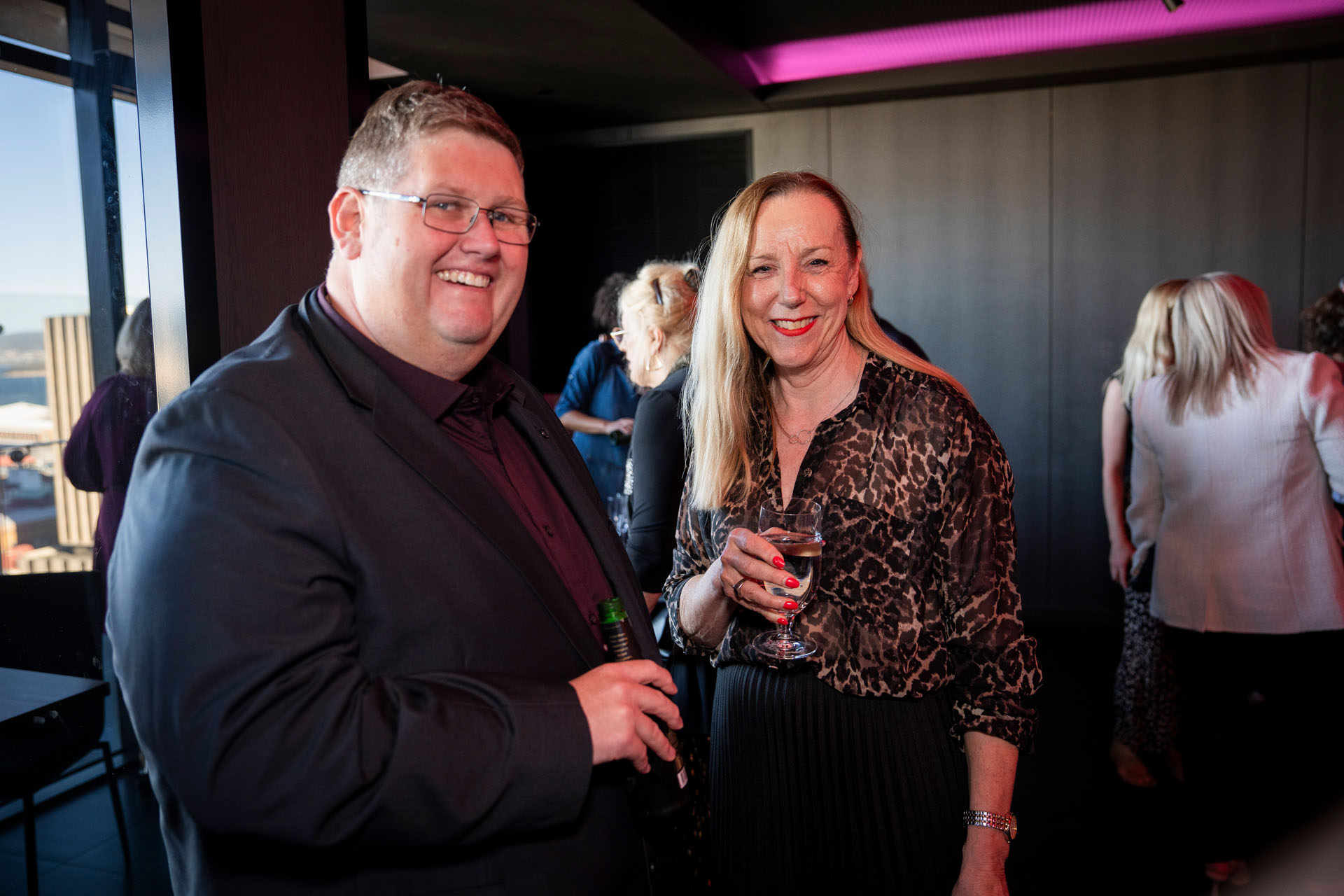
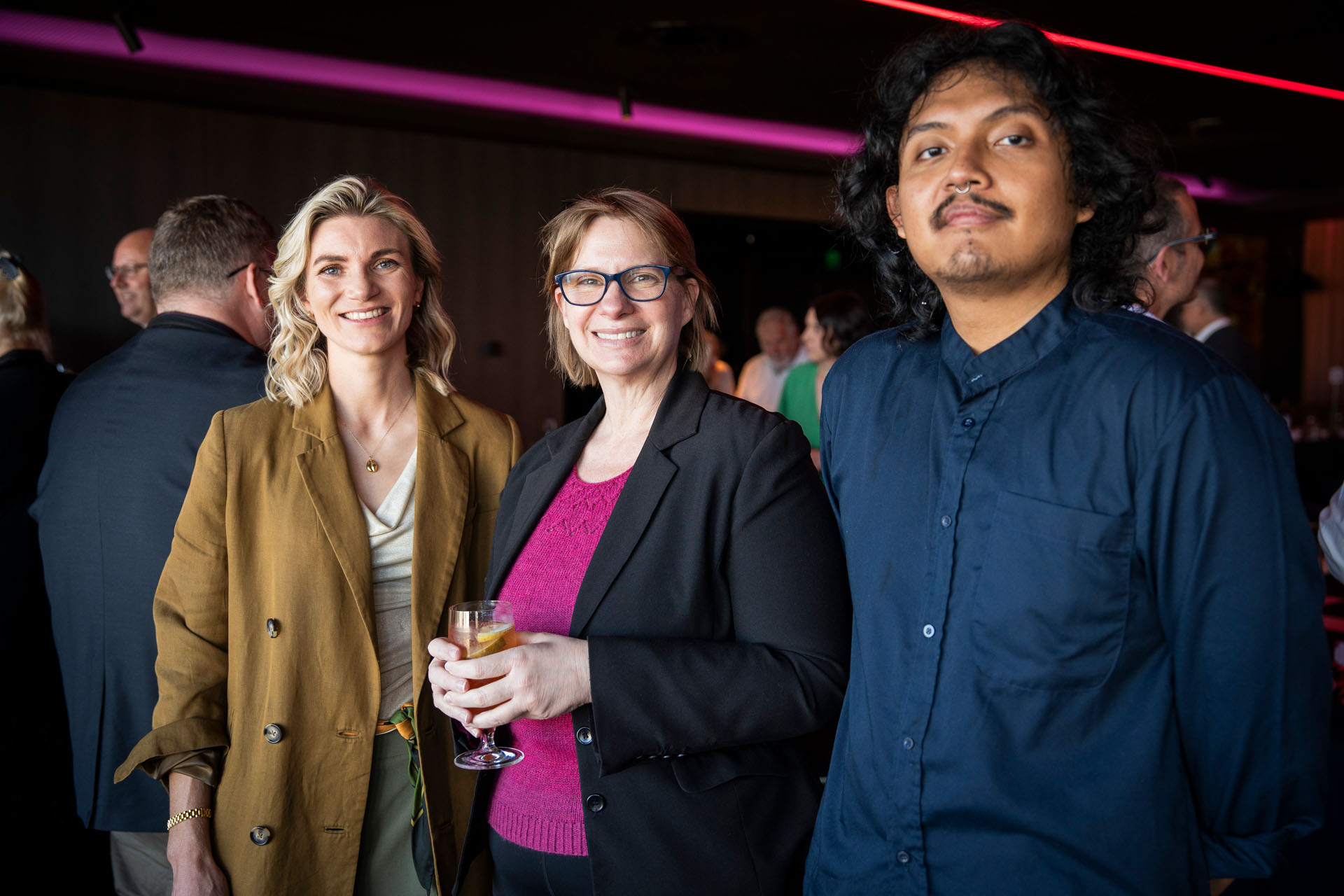
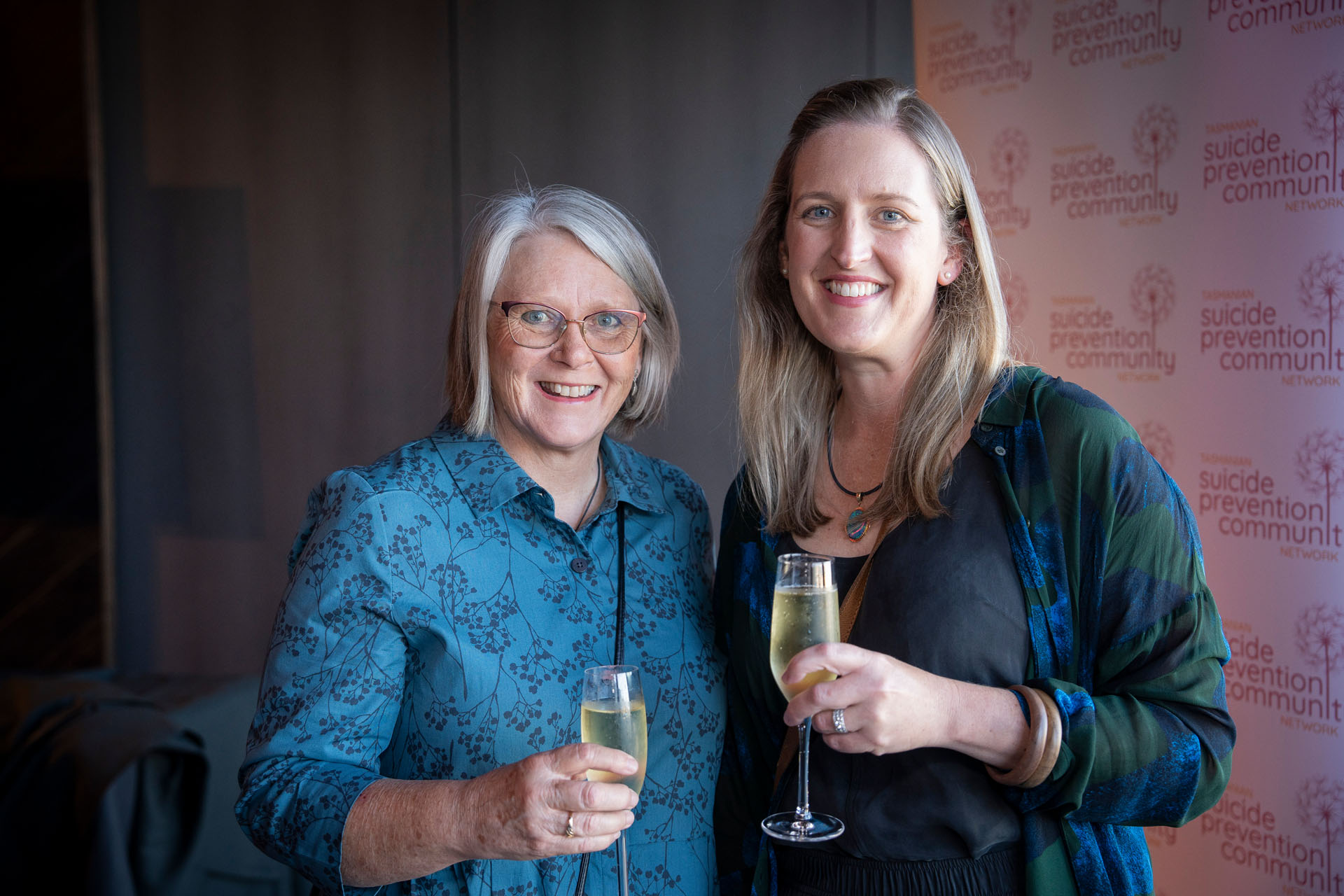
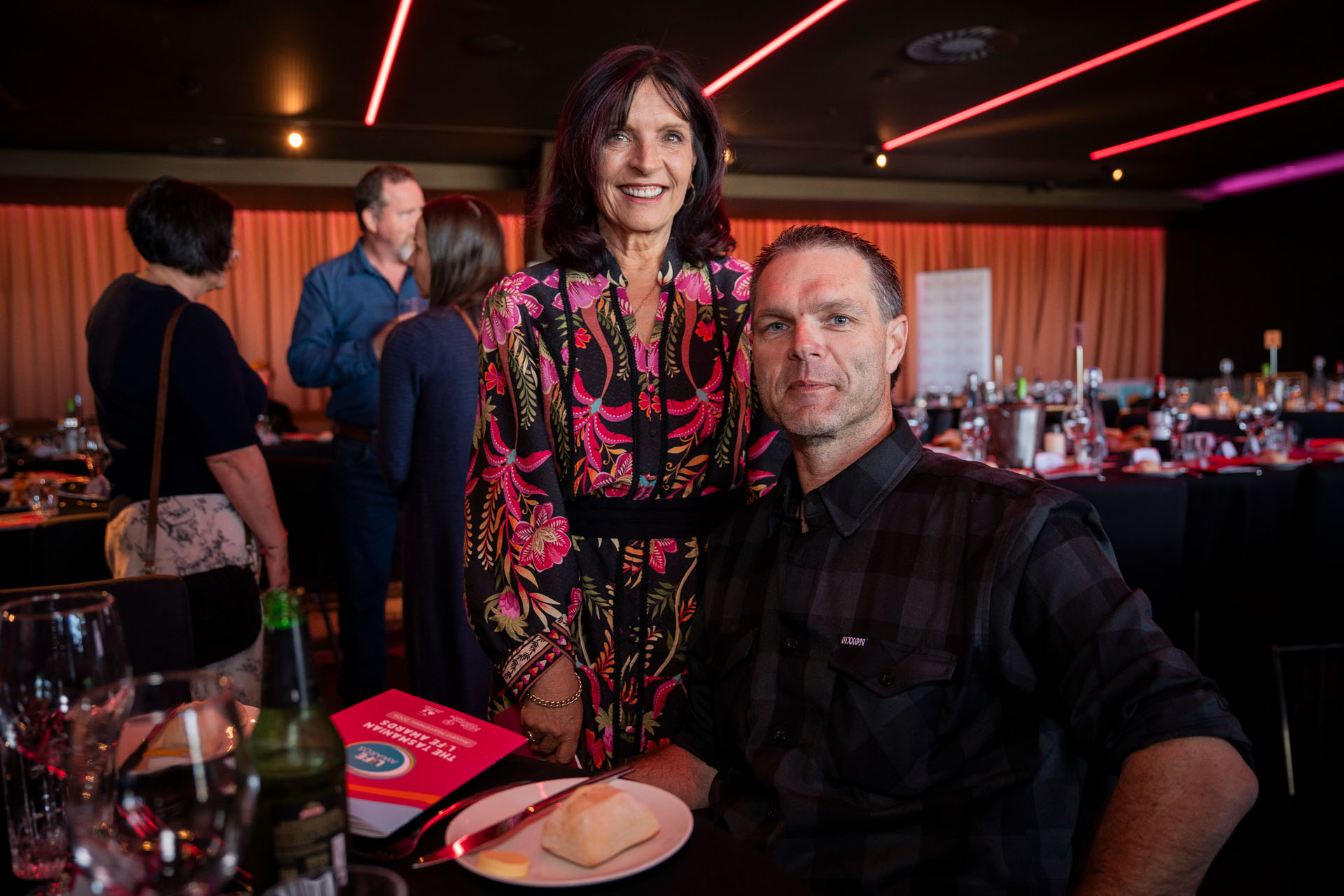
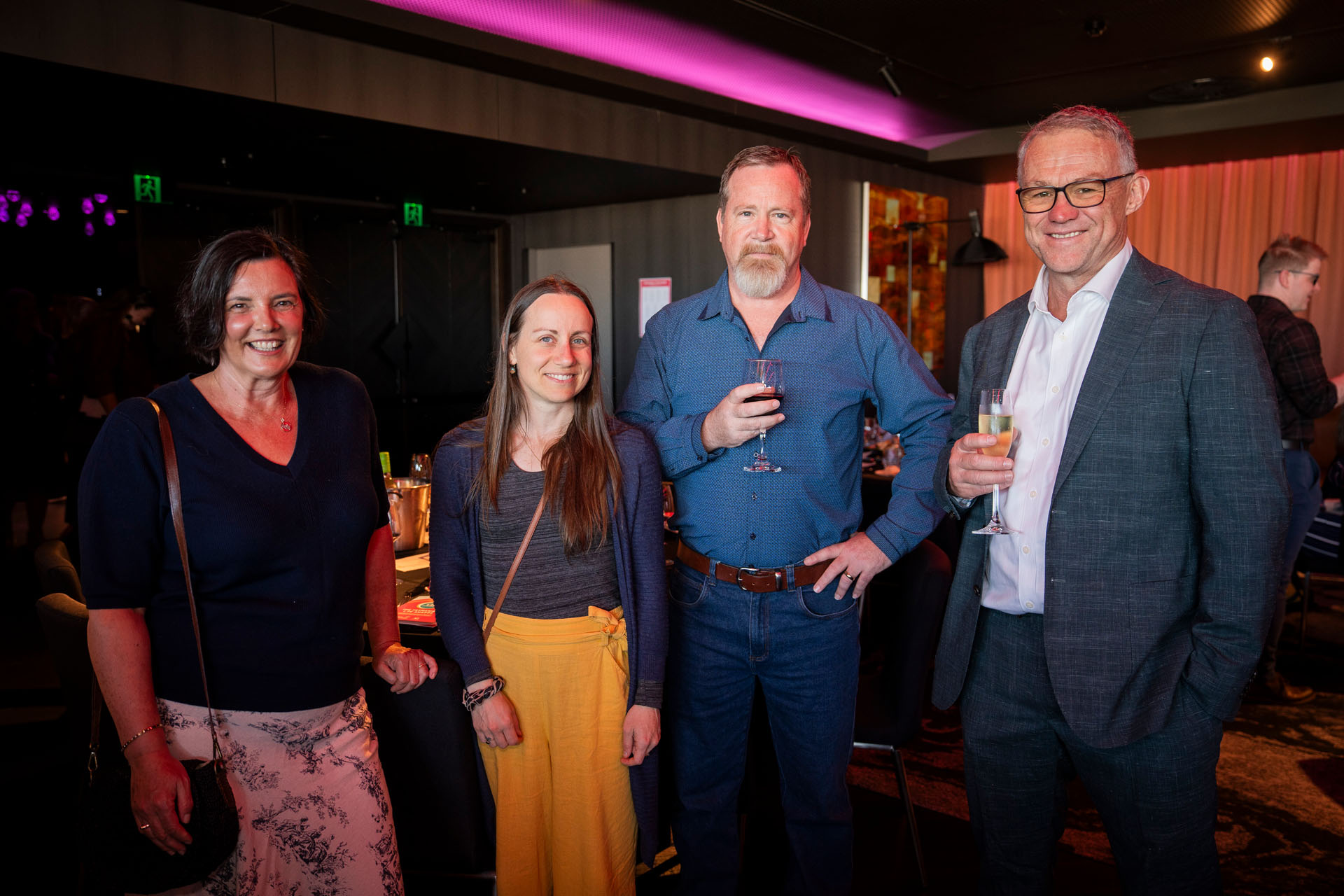
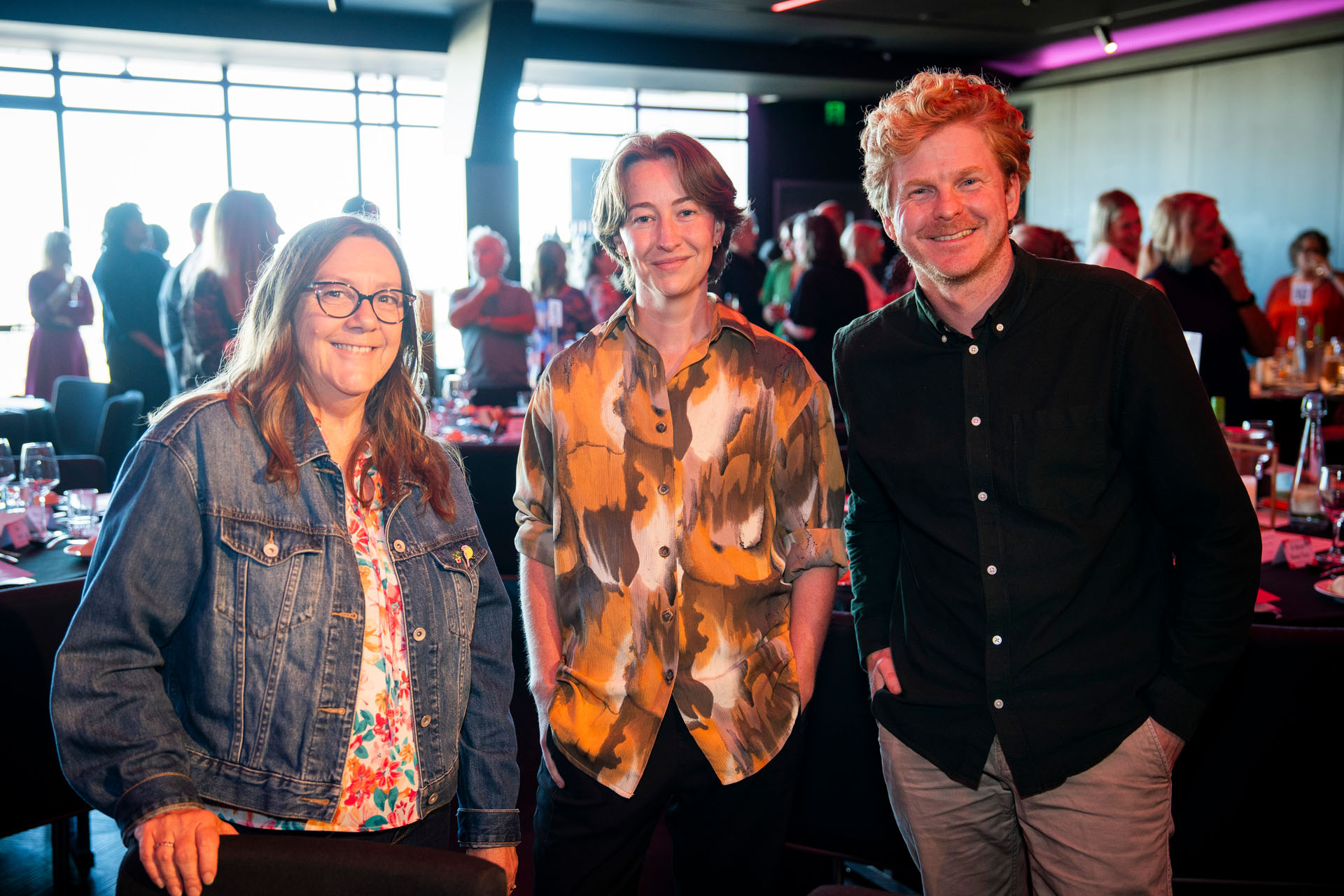
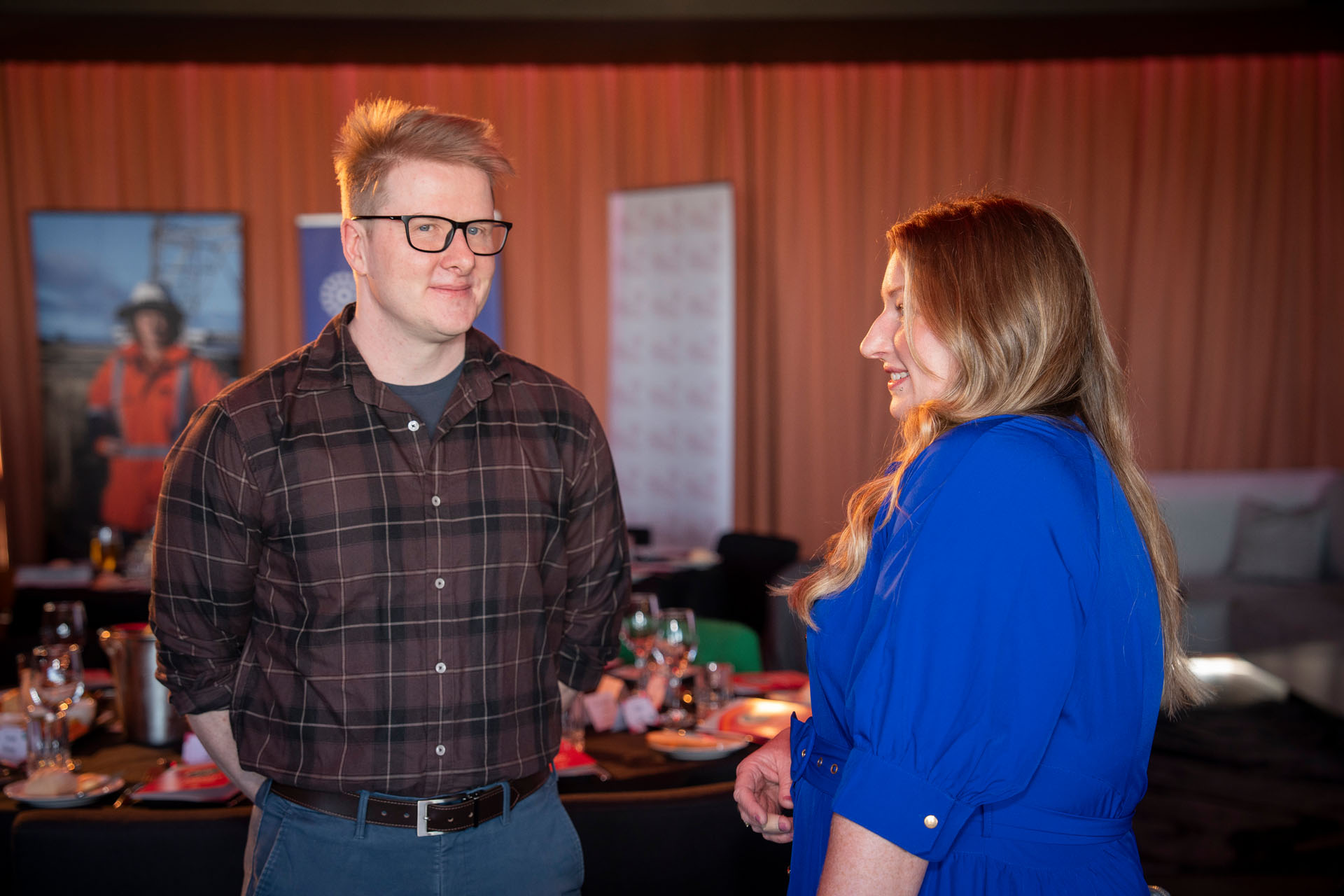
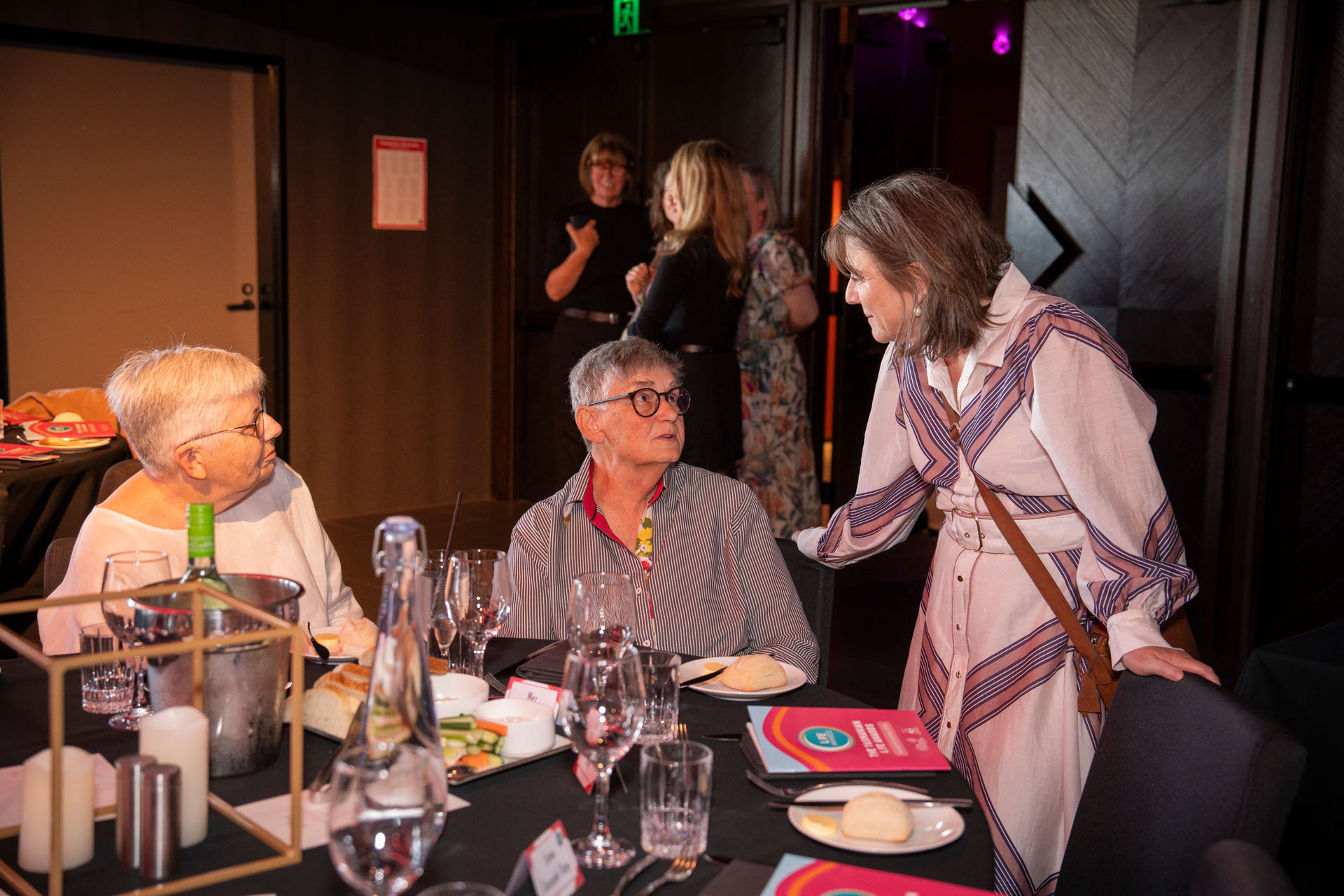
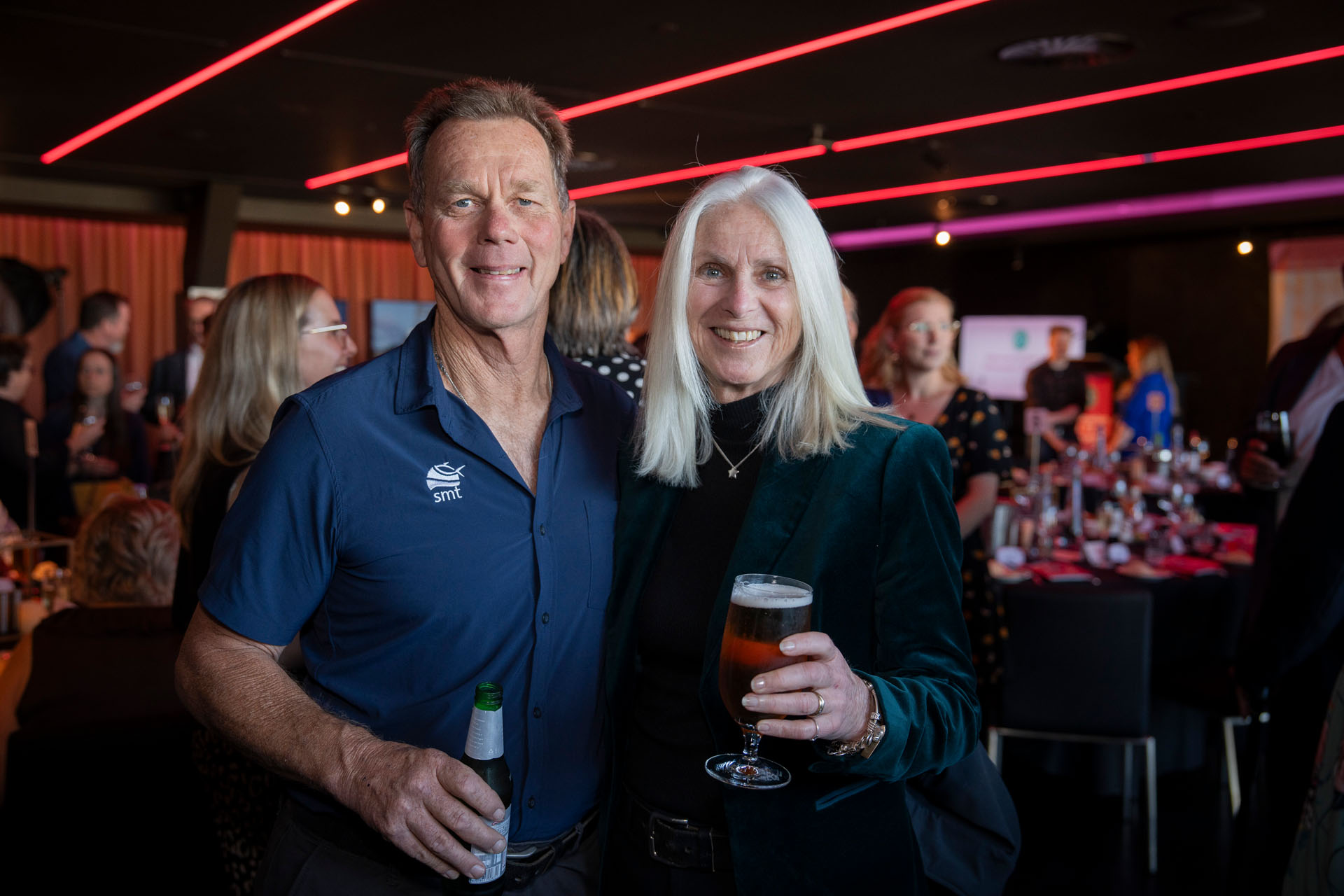
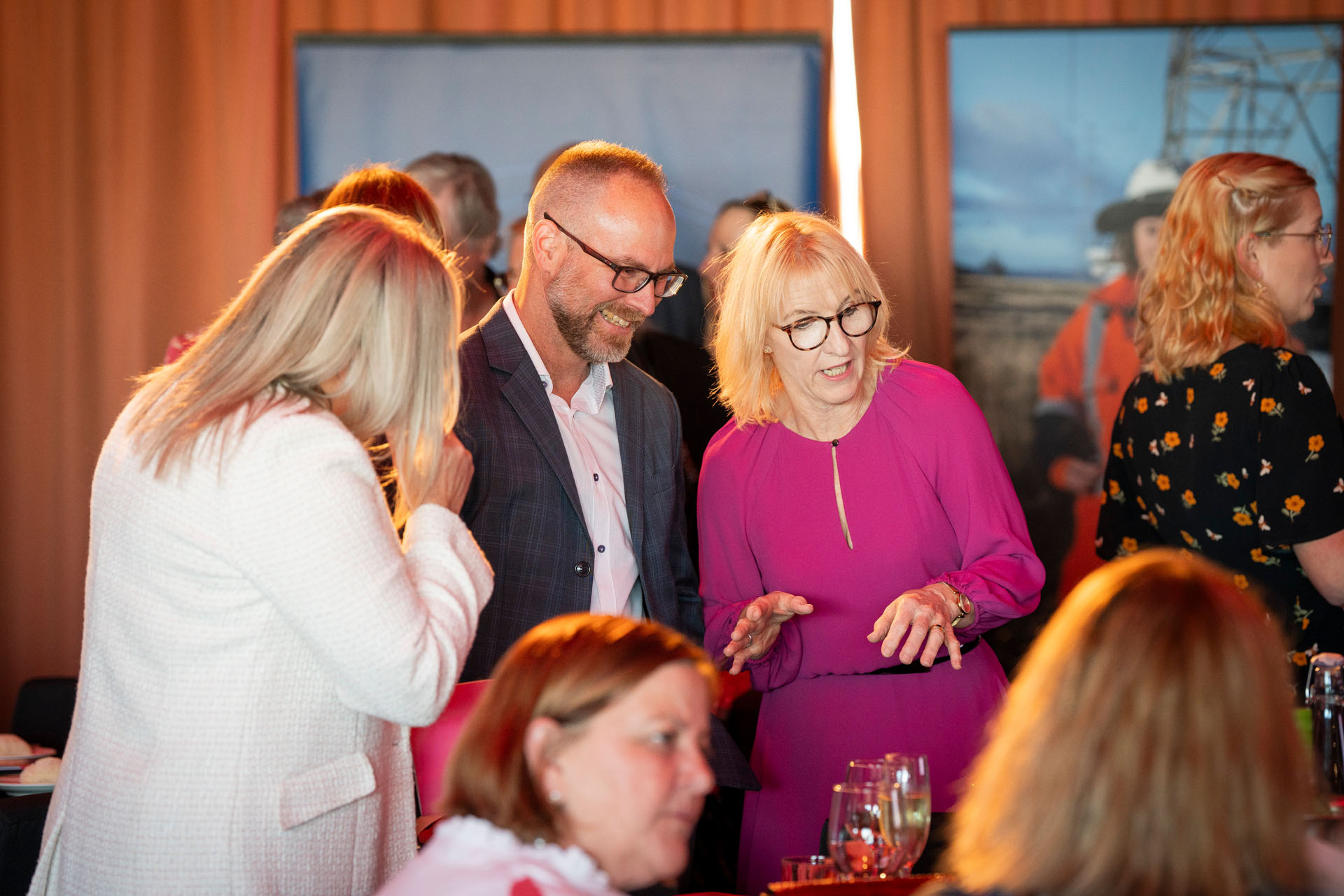
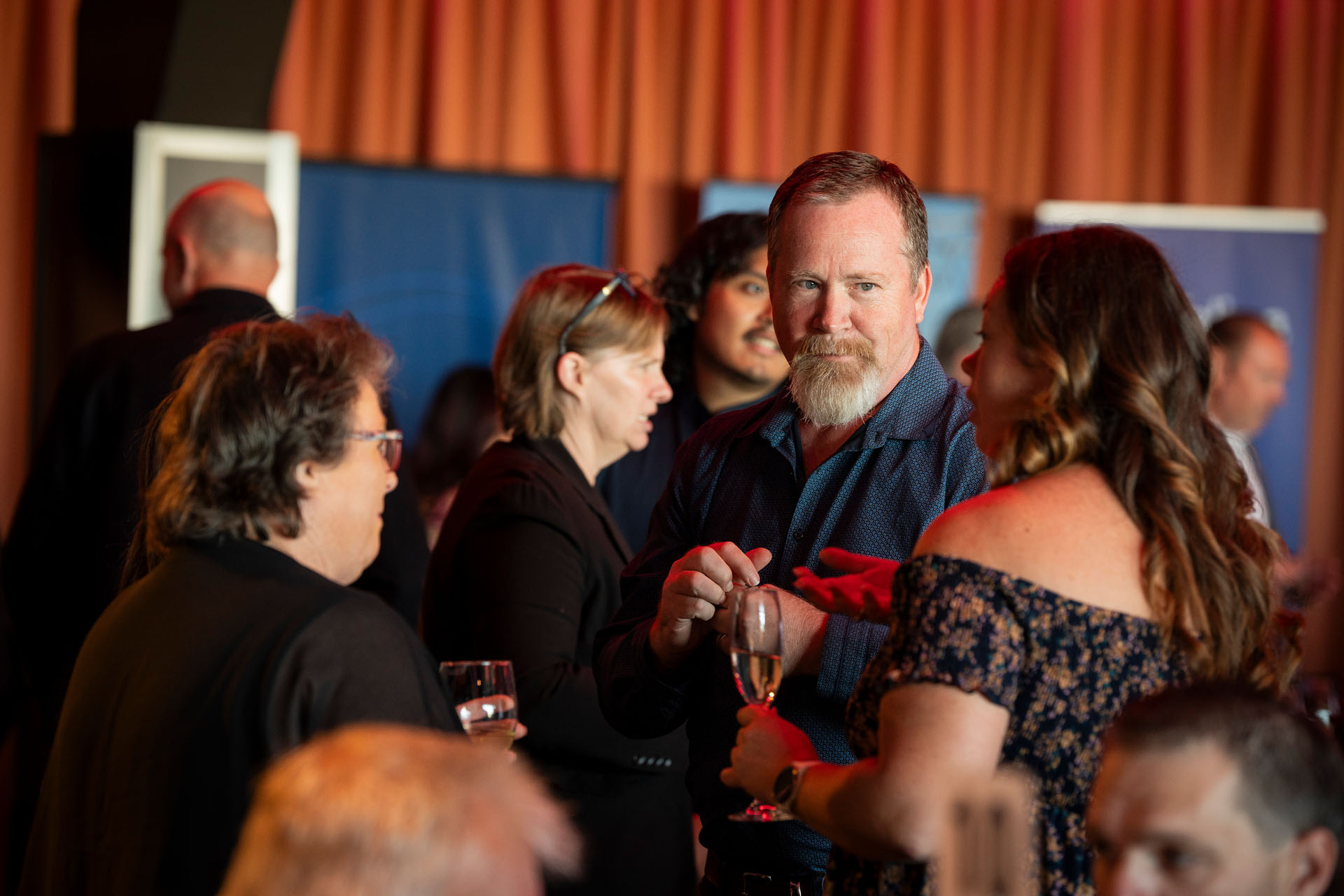
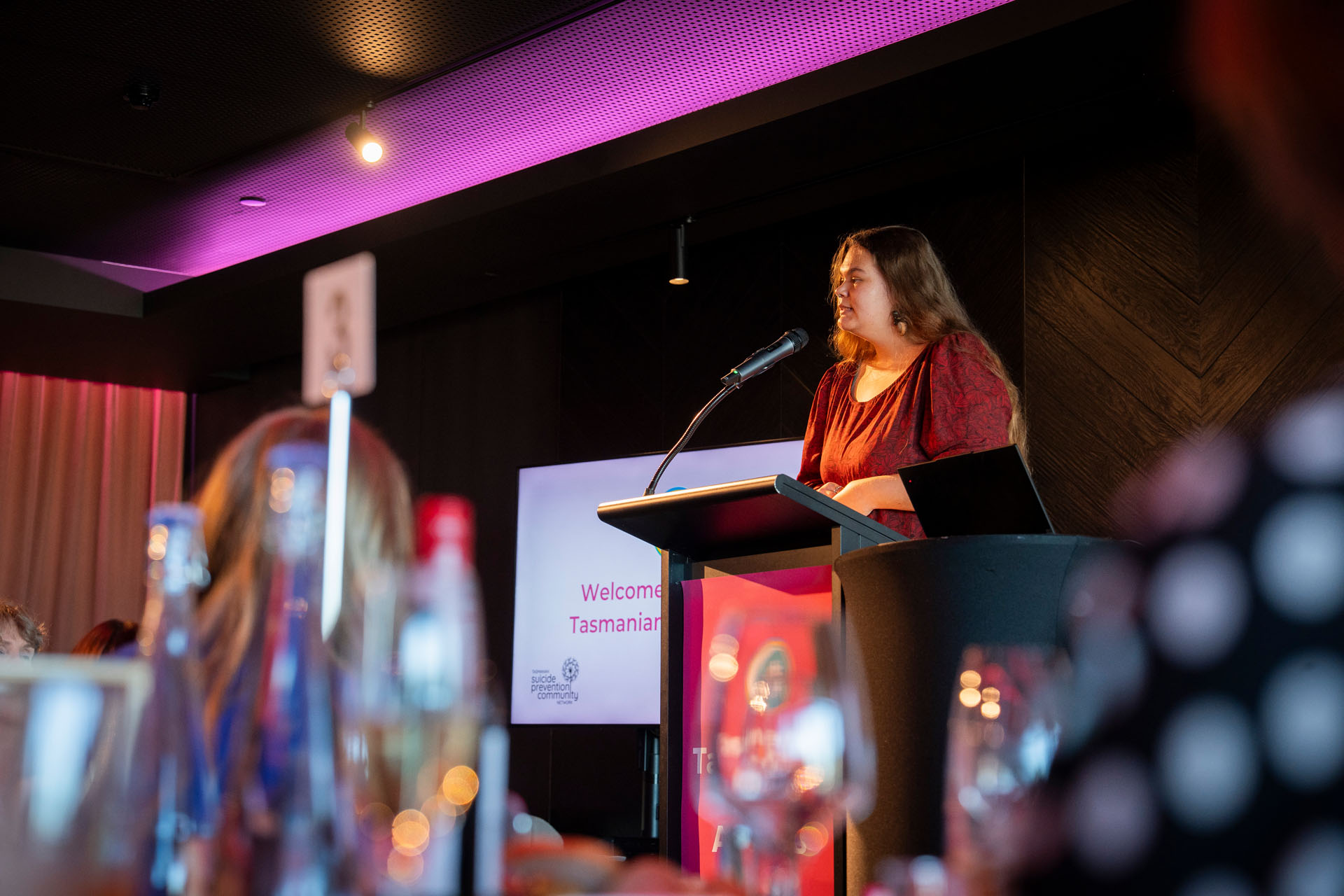
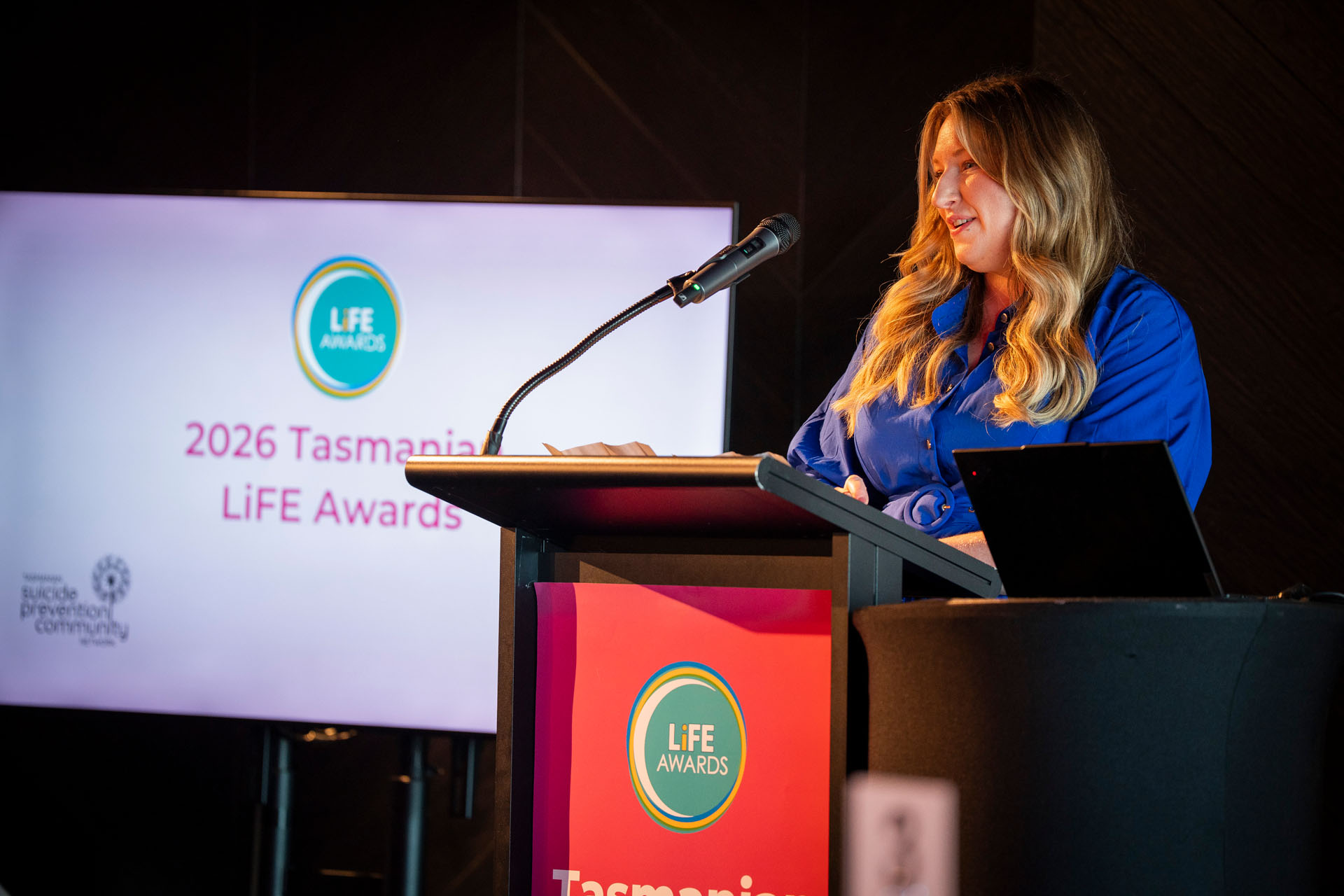
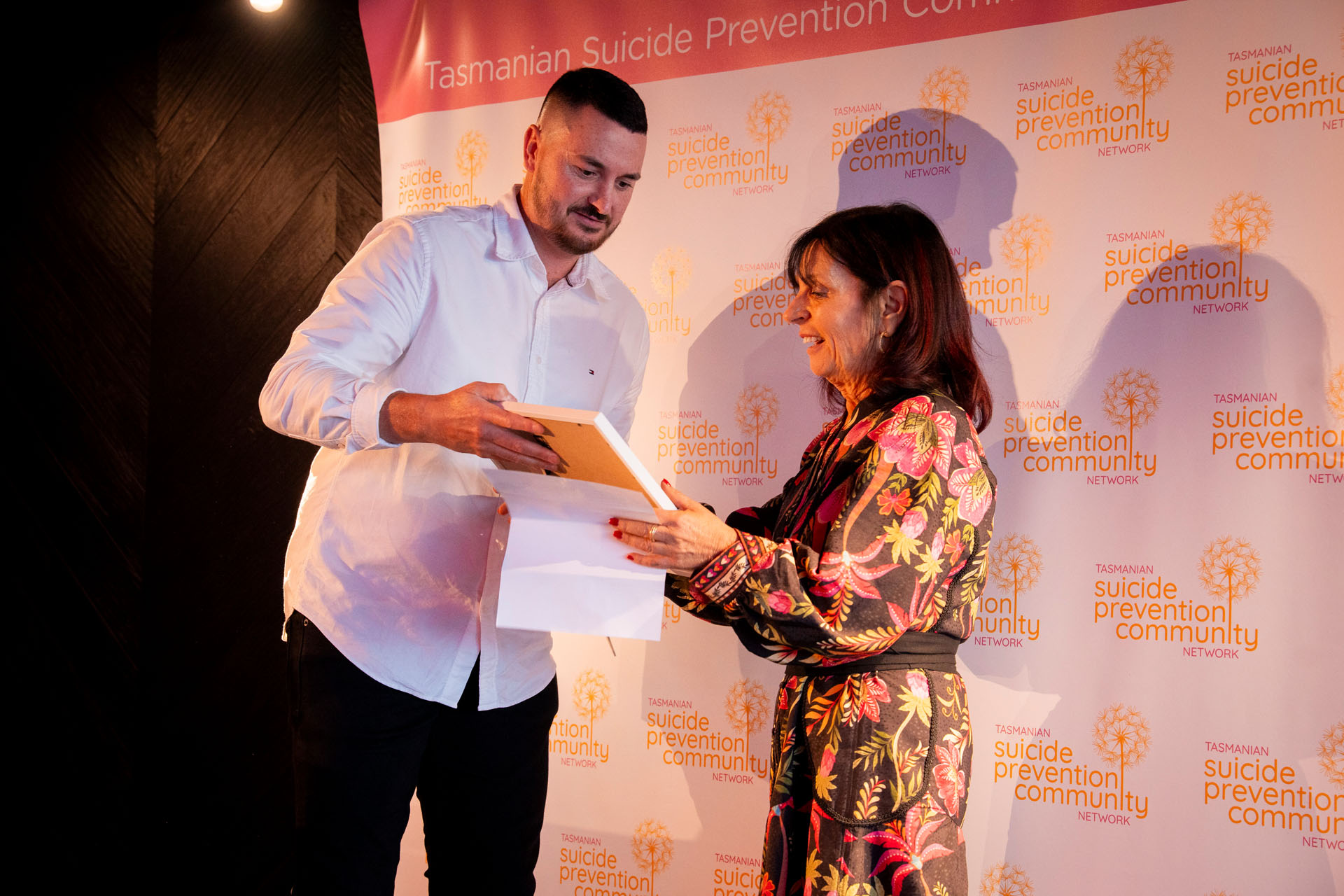
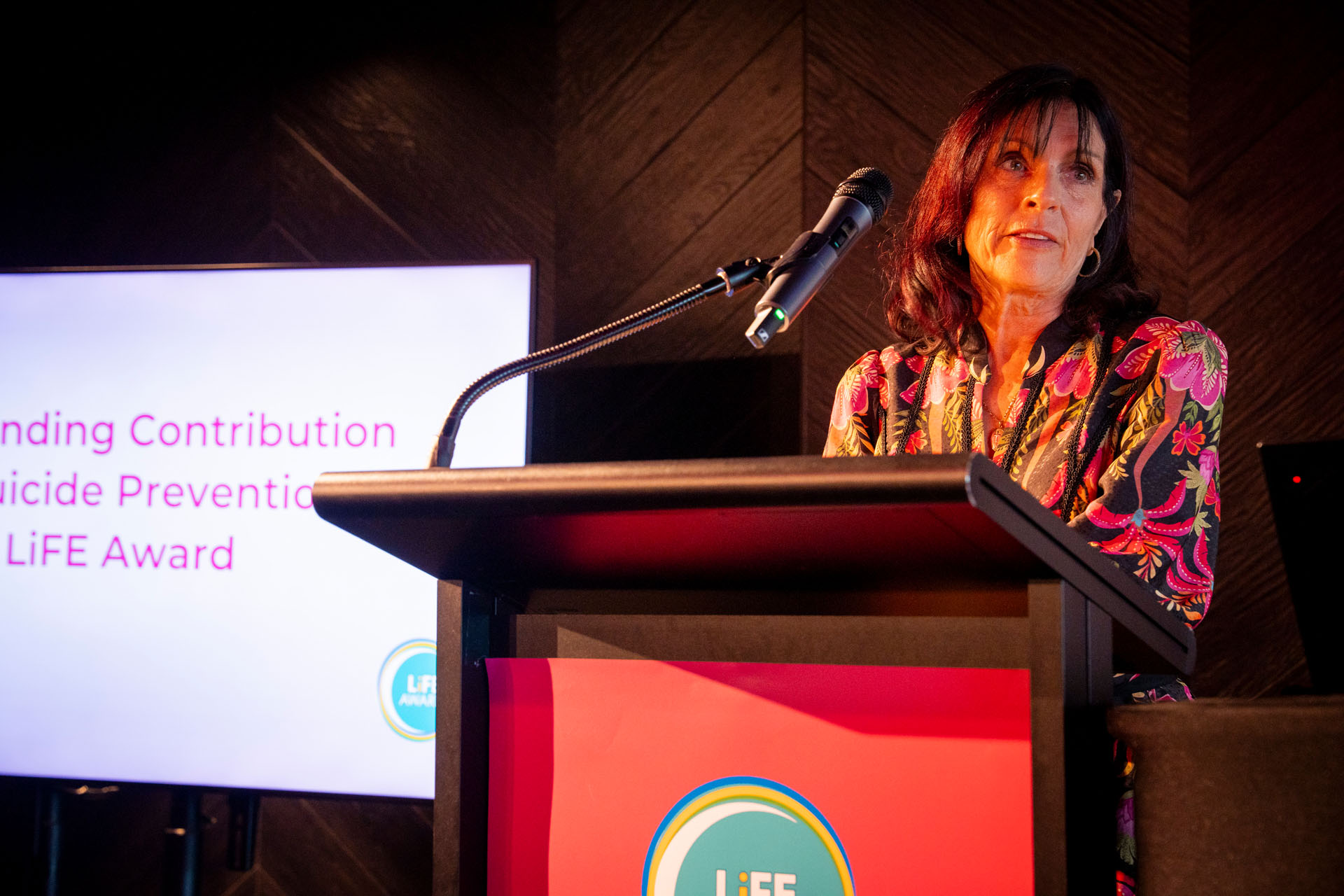
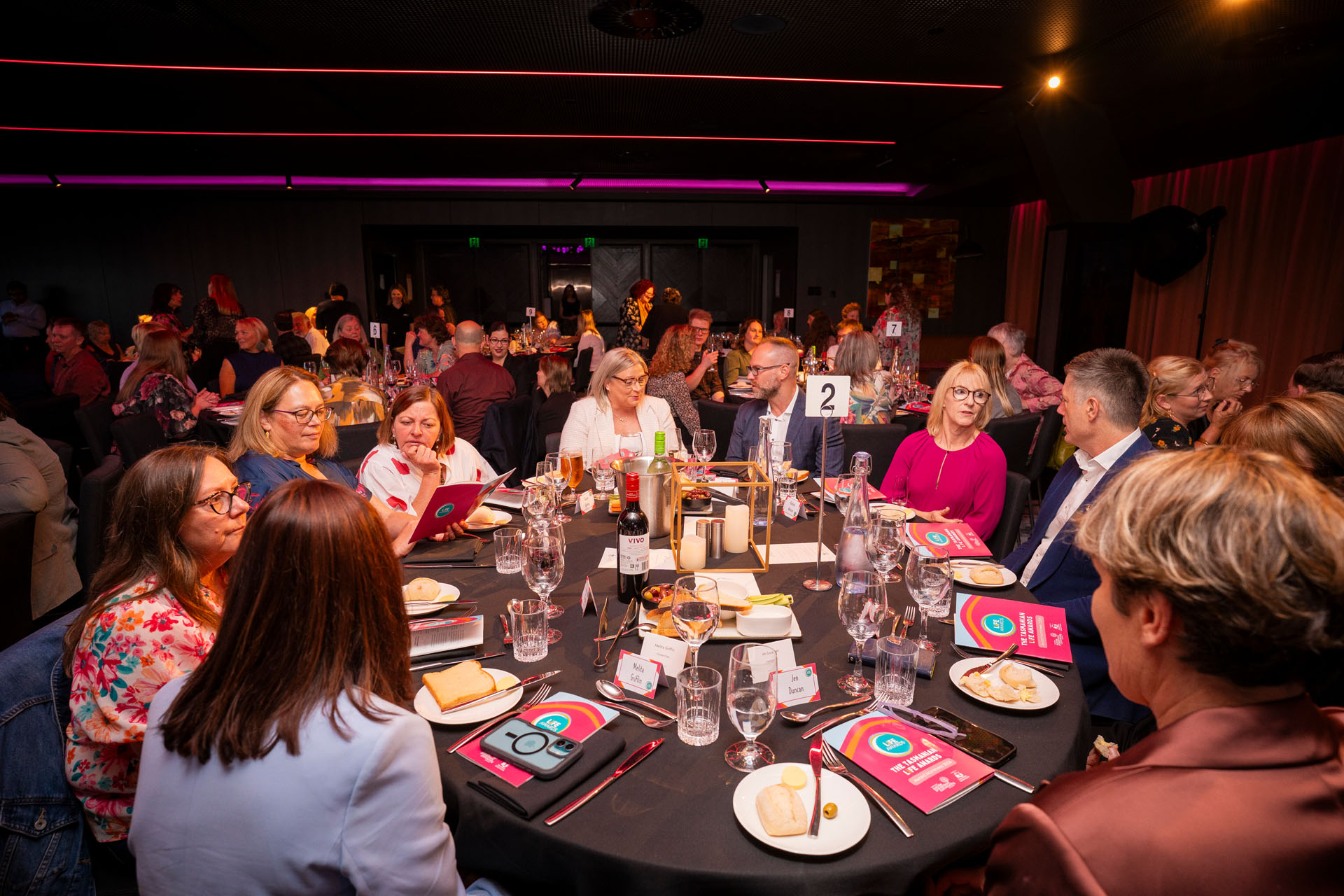
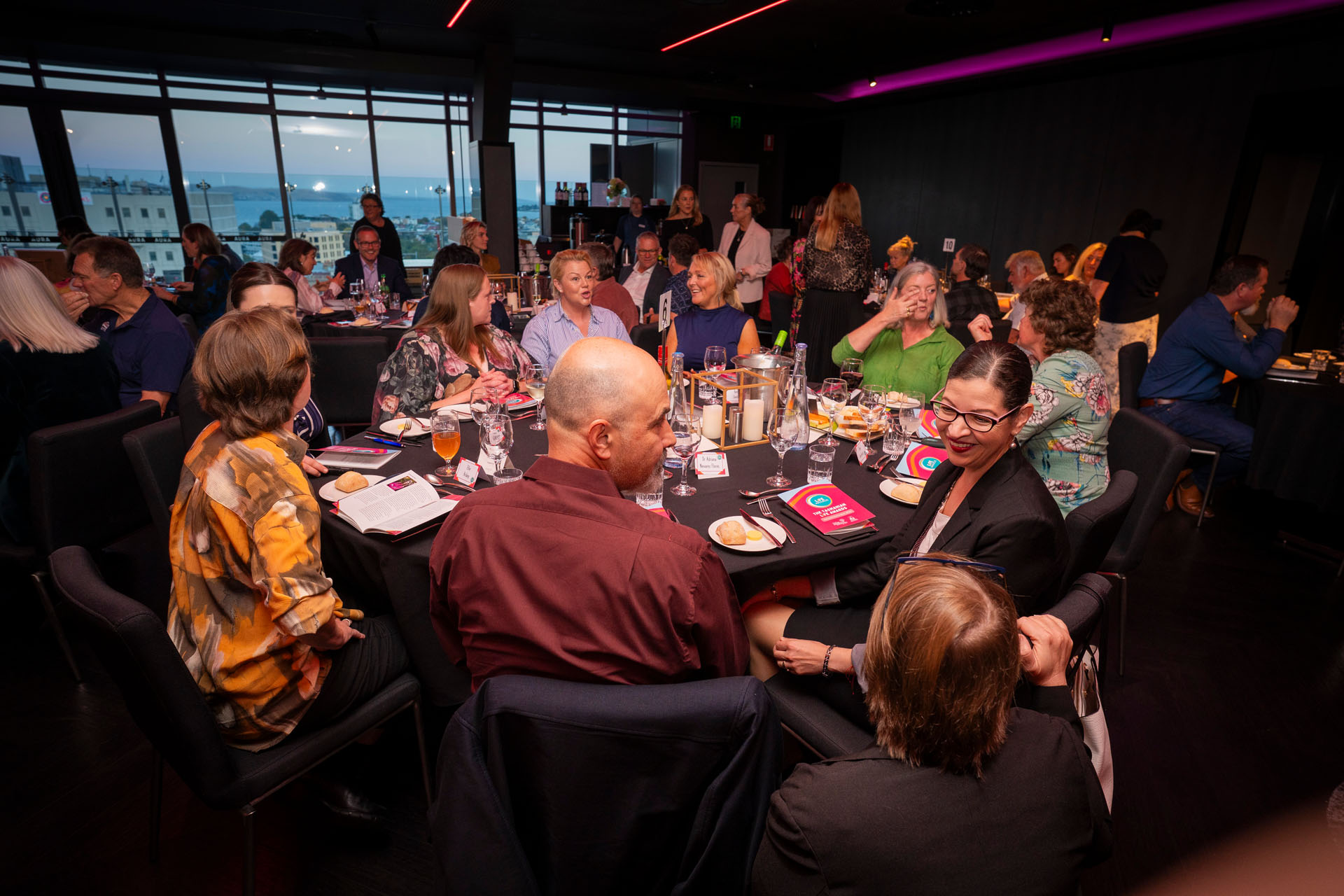
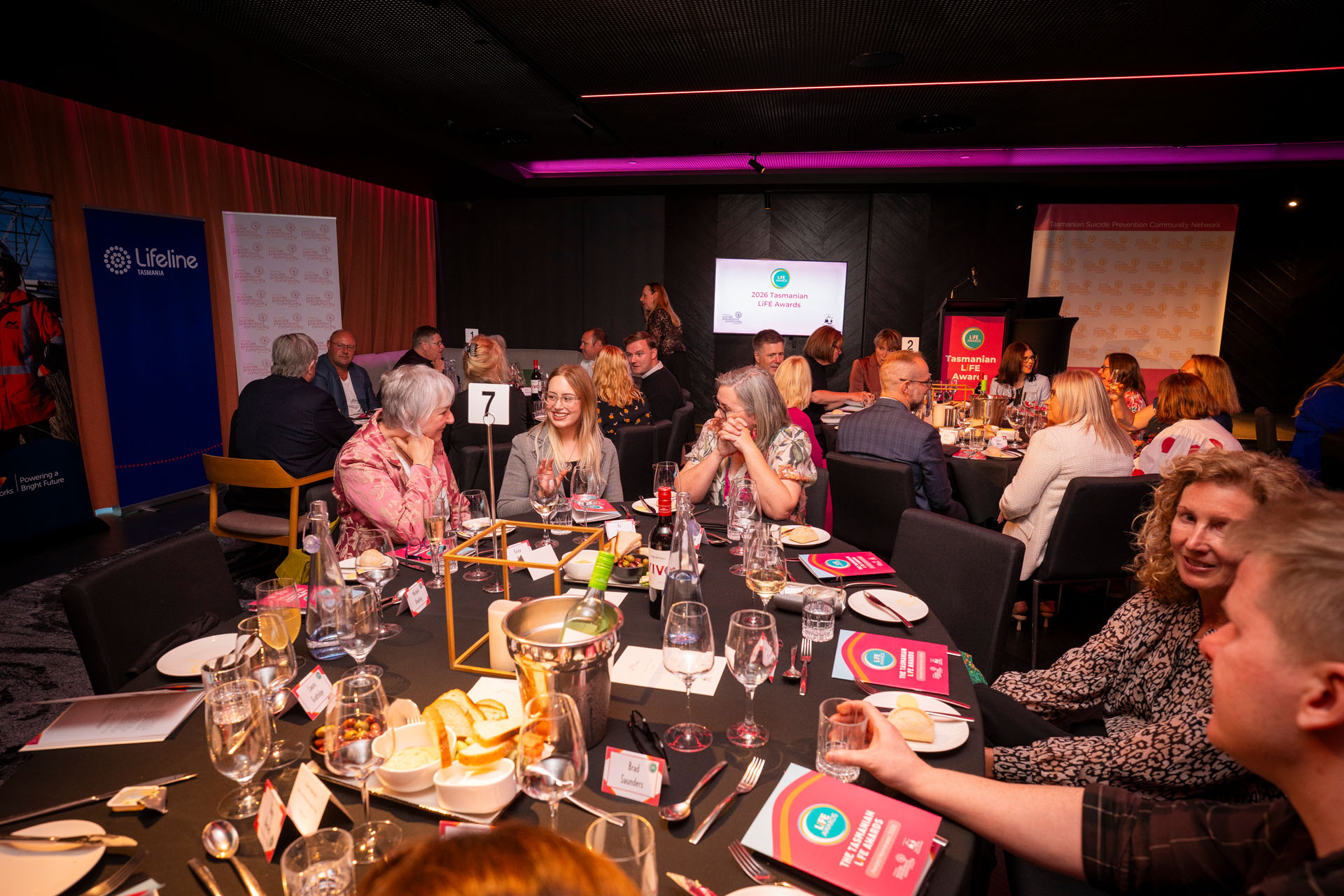
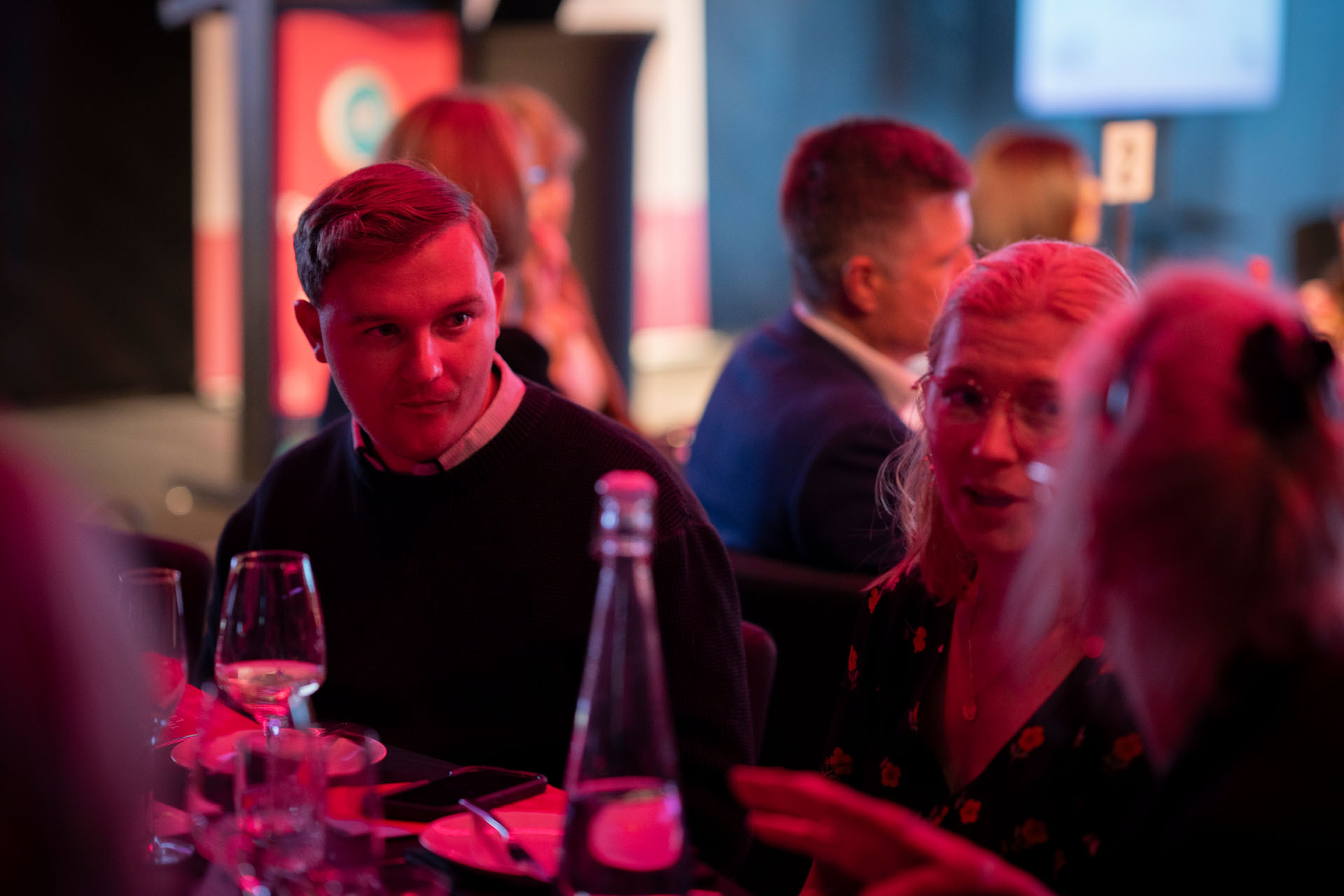
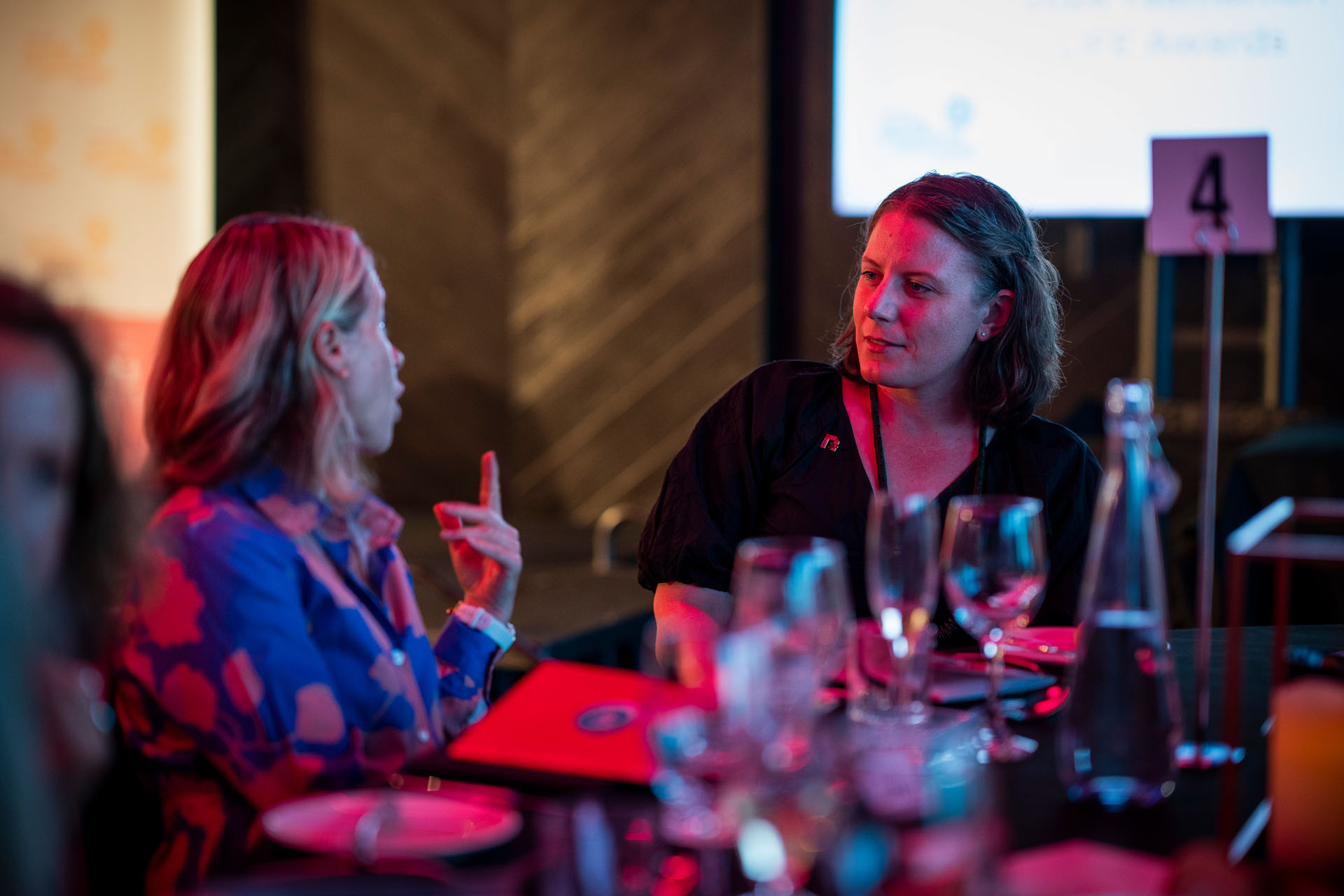
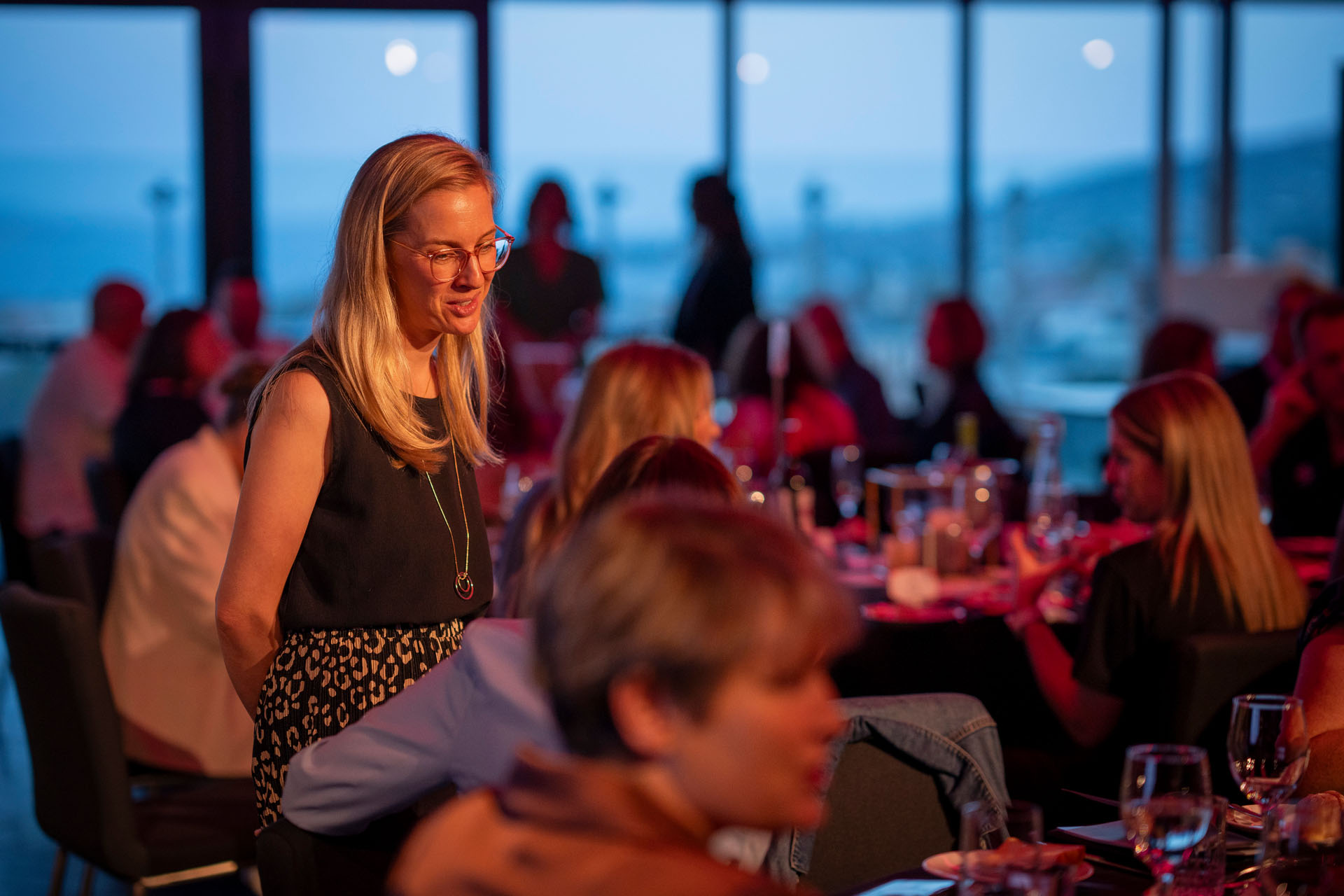
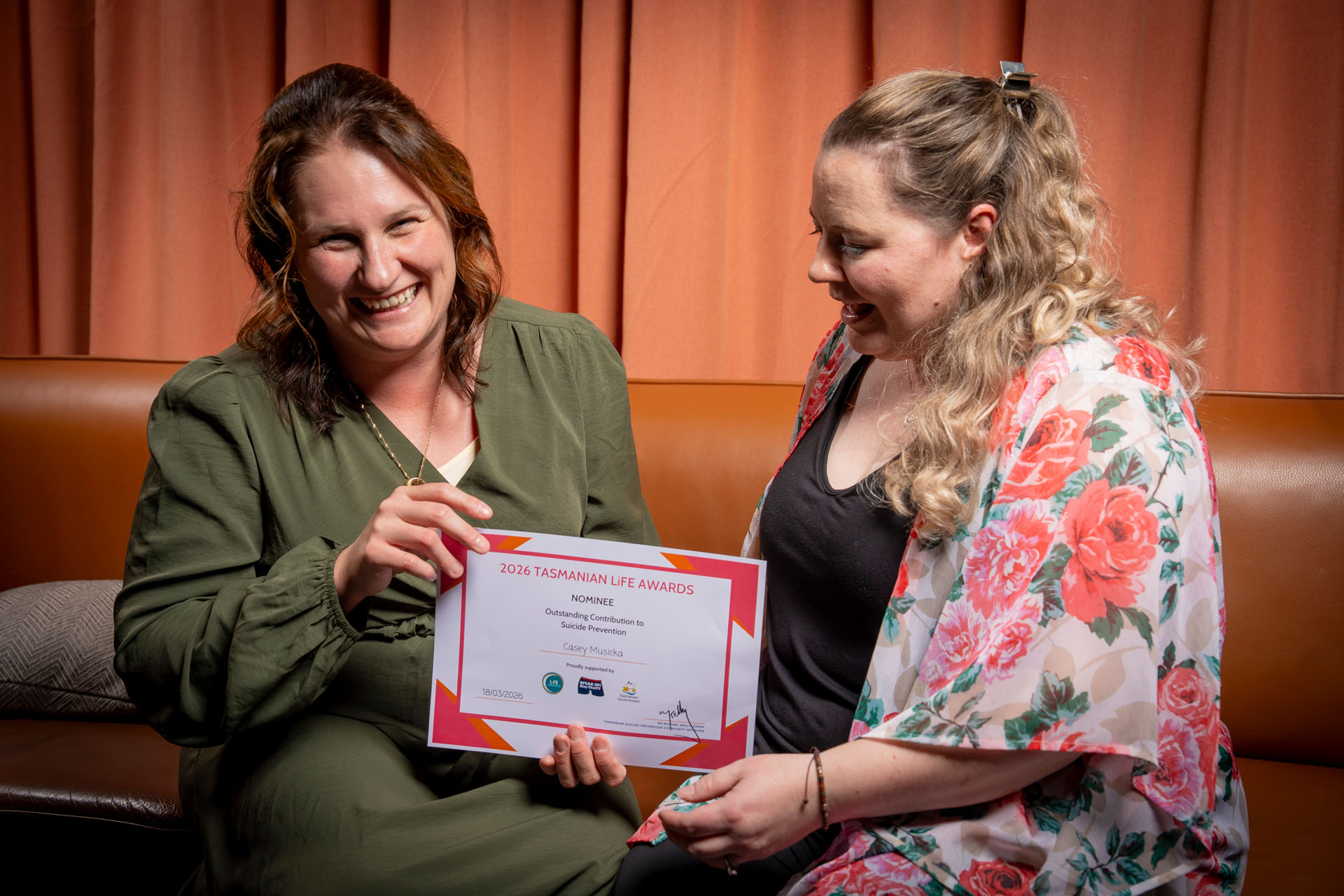
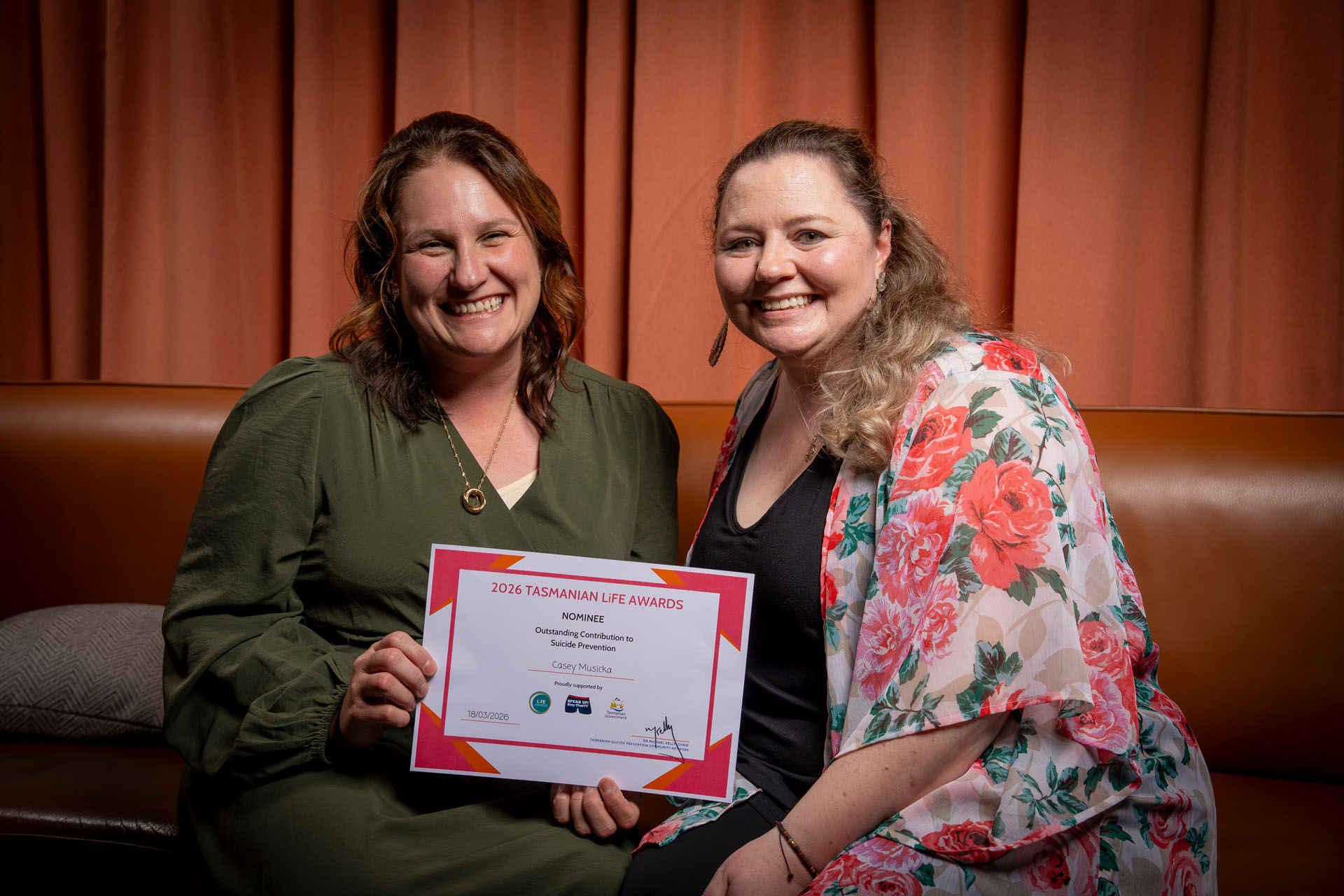
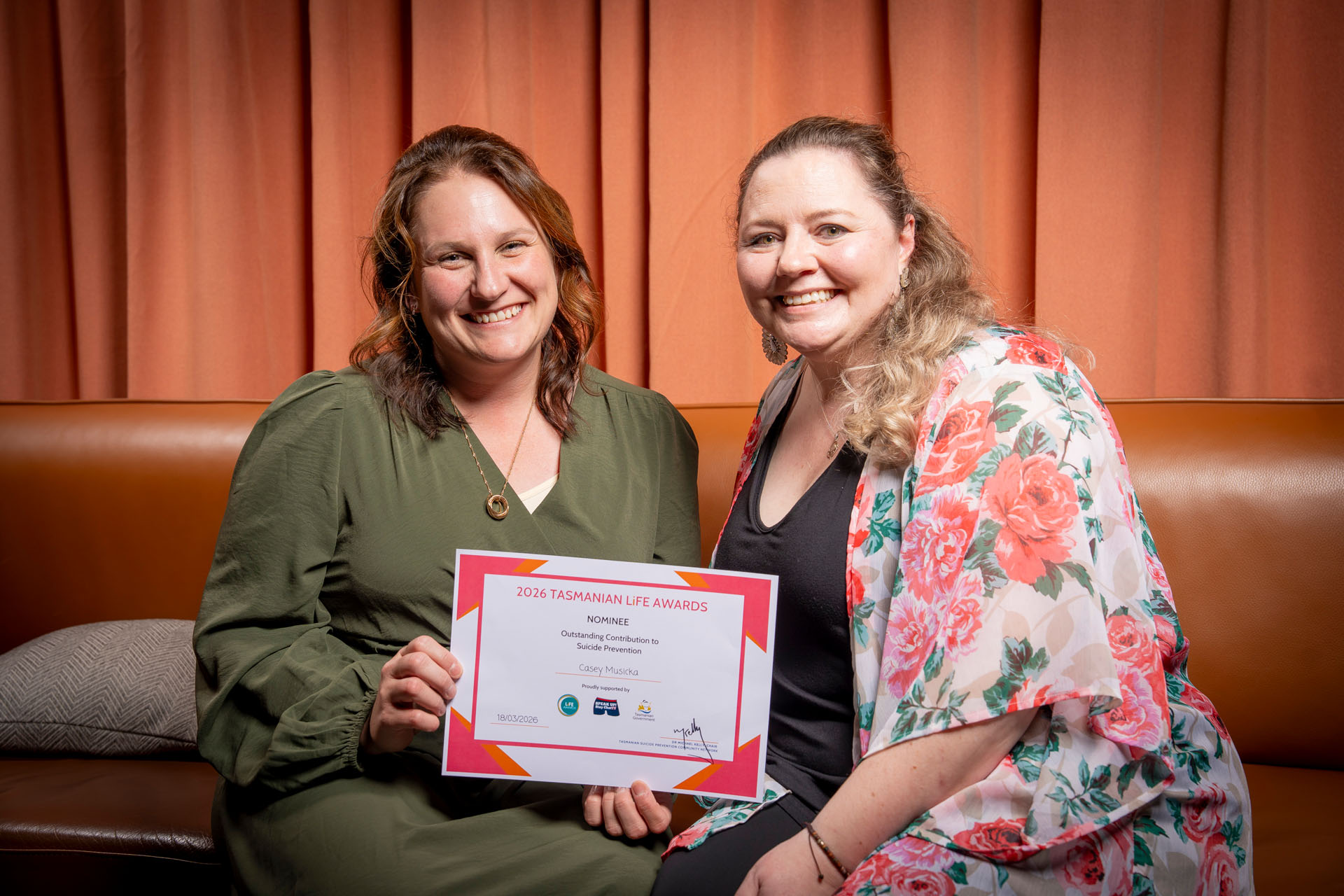
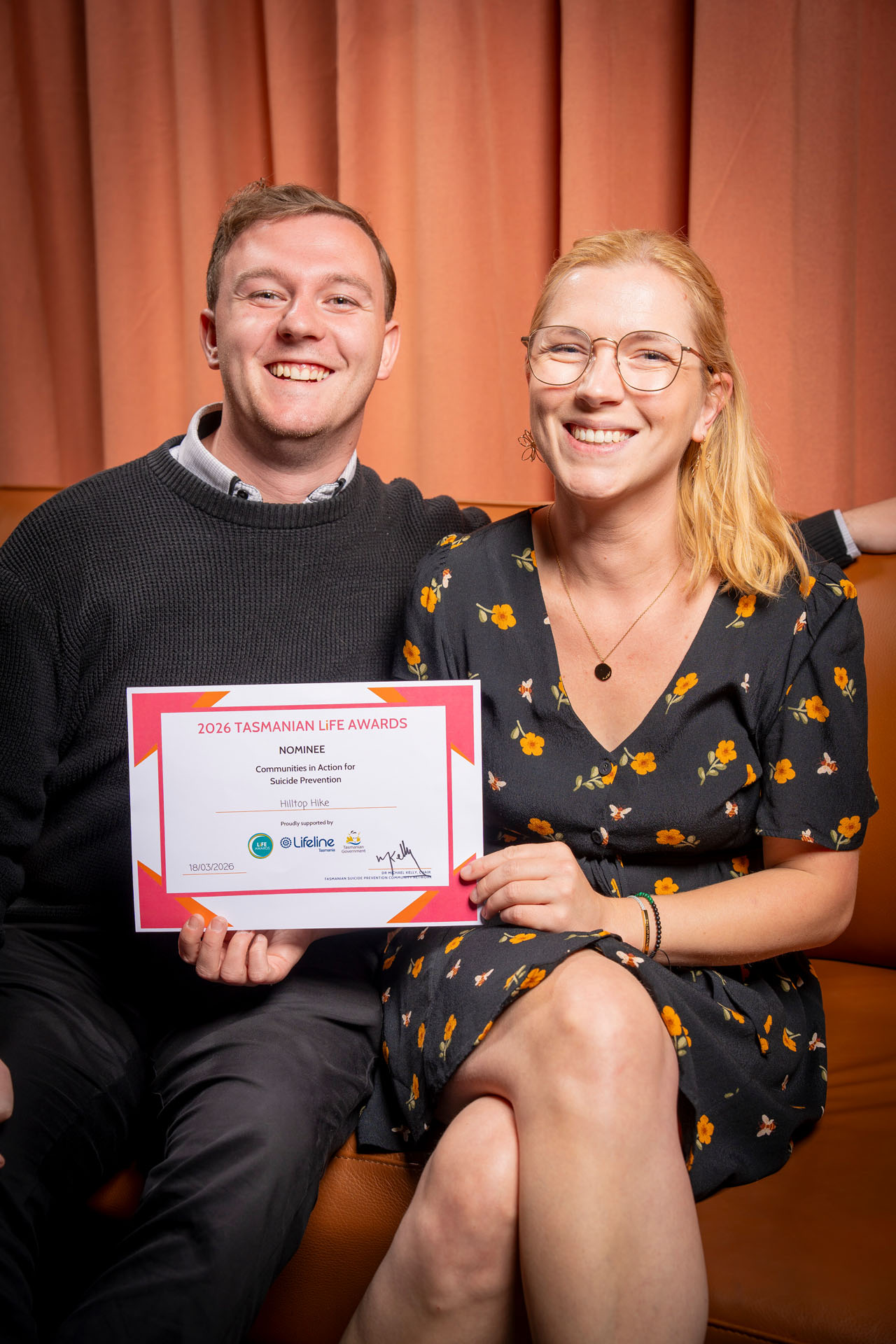
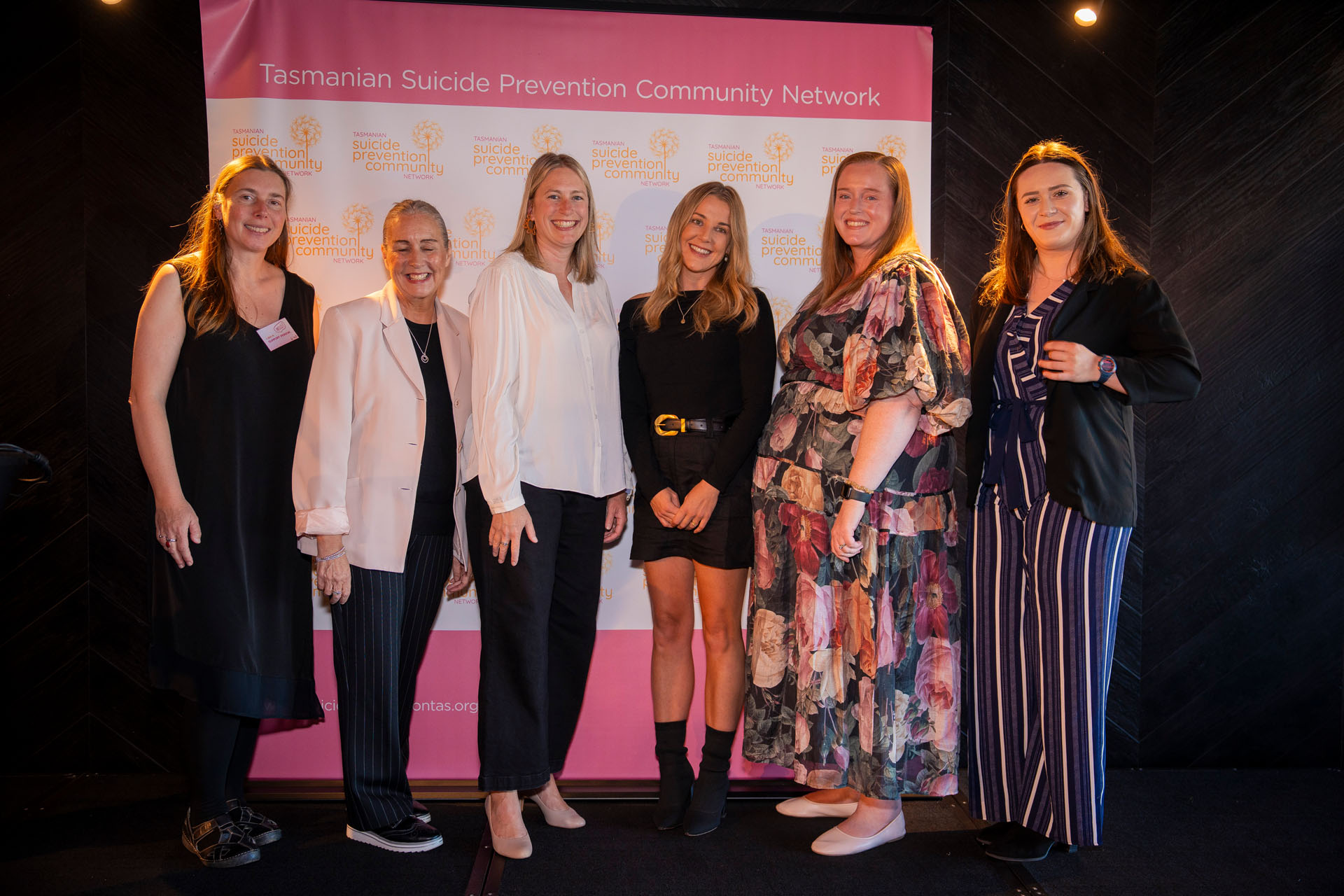
On Wednesday 18 March 2026, the Tasmanian Suicide Prevention Community Network (TSPCN) hosted the 21st Annual Tasmanian LiFE Awards, providing an important opportunity to recognise the individuals, communities and workplaces making a meaningful contribution to suicide prevention across Tasmania. The award ceremony brought people across the sector together in a warm community-centred space filled with genuine excitement for each other’s work – conversations flowed easily, relationships were strengthened, and there was a sense of shared purpose and momentum in the room.
Grounded in the national LiFE (Living is For Everyone) Framework, the awards highlight the commitment, care and leadership of Tasmanians working to strengthen connection, support wellbeing, and reduce the impact of suicide in our communities. They reinforce that progress is strongest when communities, services, workplaces and systems work together, and when local knowledge, lived experience and collective action are valued.
The 2026 awards showcased the diversity and innovation of suicide prevention activity across Tasmania. This year, 38 nominations were received across five award categories, reflecting a broad cross-section of efforts to support individuals, families, workplaces and communities. Nominations spanned a wide range of settings, including workplaces, schools and community spaces, as well as initiatives shaped by lived experience, clinical practice, research, policy and grassroots action. Together, they demonstrate the many ways people are responding to the complexities of suicide.
Each year, the awards highlight the dedication of Tasmanians working in this space. These contributions take many forms, and each plays an important role in strengthening a more connected, supportive and responsive community. While we have come a long way, we know there is still more to do, and it is important that we continue to build on this momentum and move forward together.
Congratulations to all 2026 nominees, and sincere thanks to those who took the time to submit a nomination. By recognising this work, we collectively acknowledge the effort, leadership and care that underpins suicide prevention across Tasmania.
2026 LiFE Award winners were:
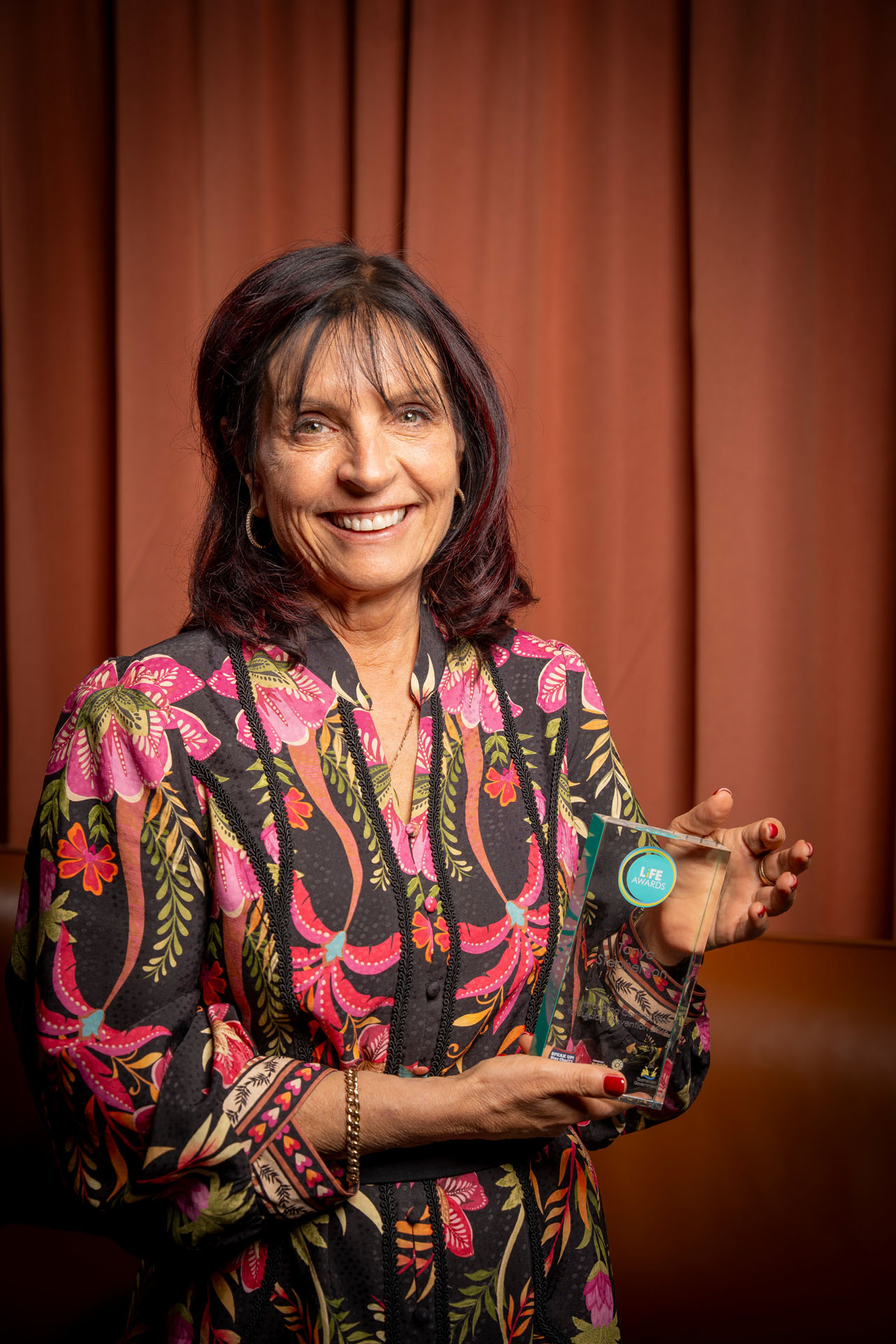
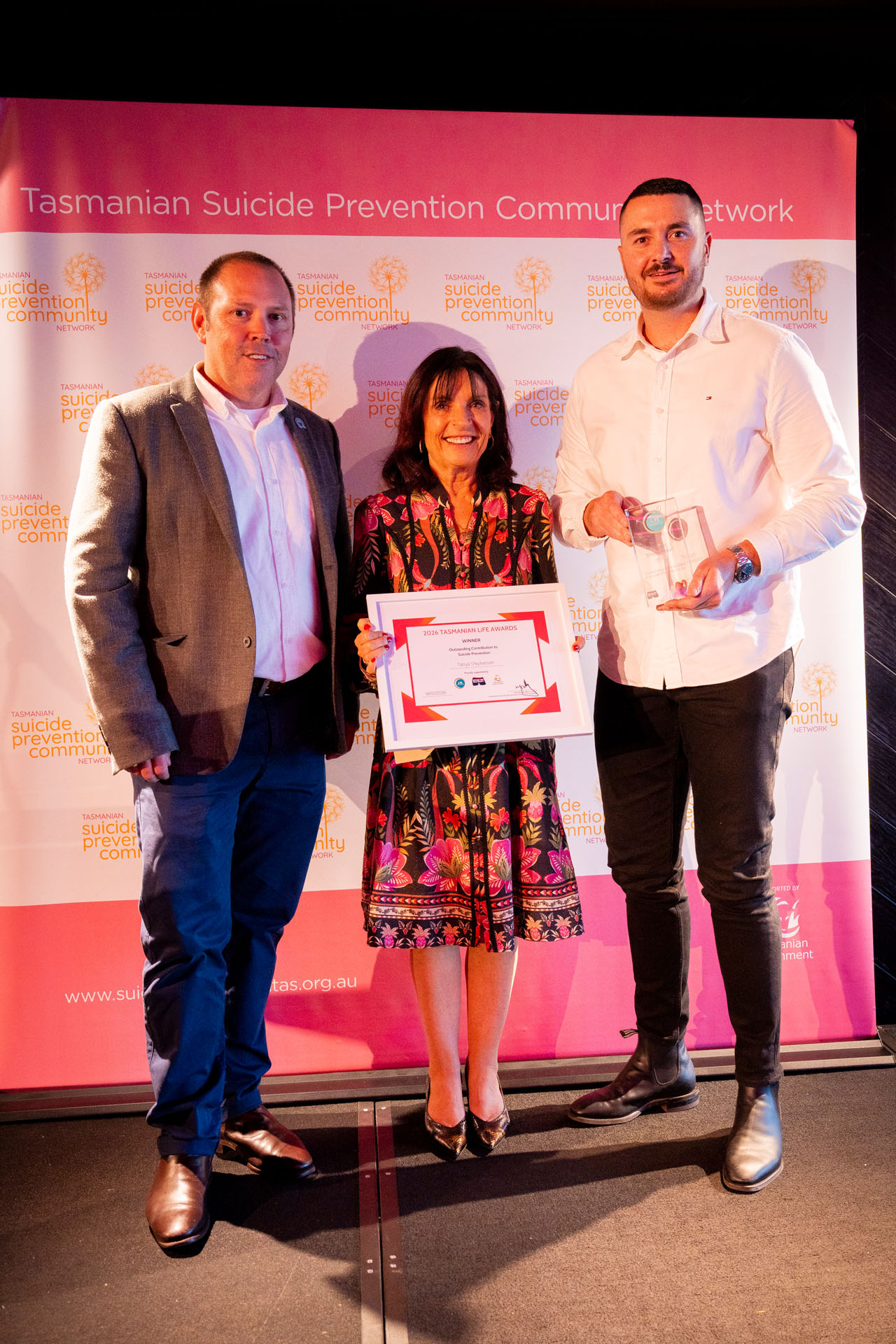
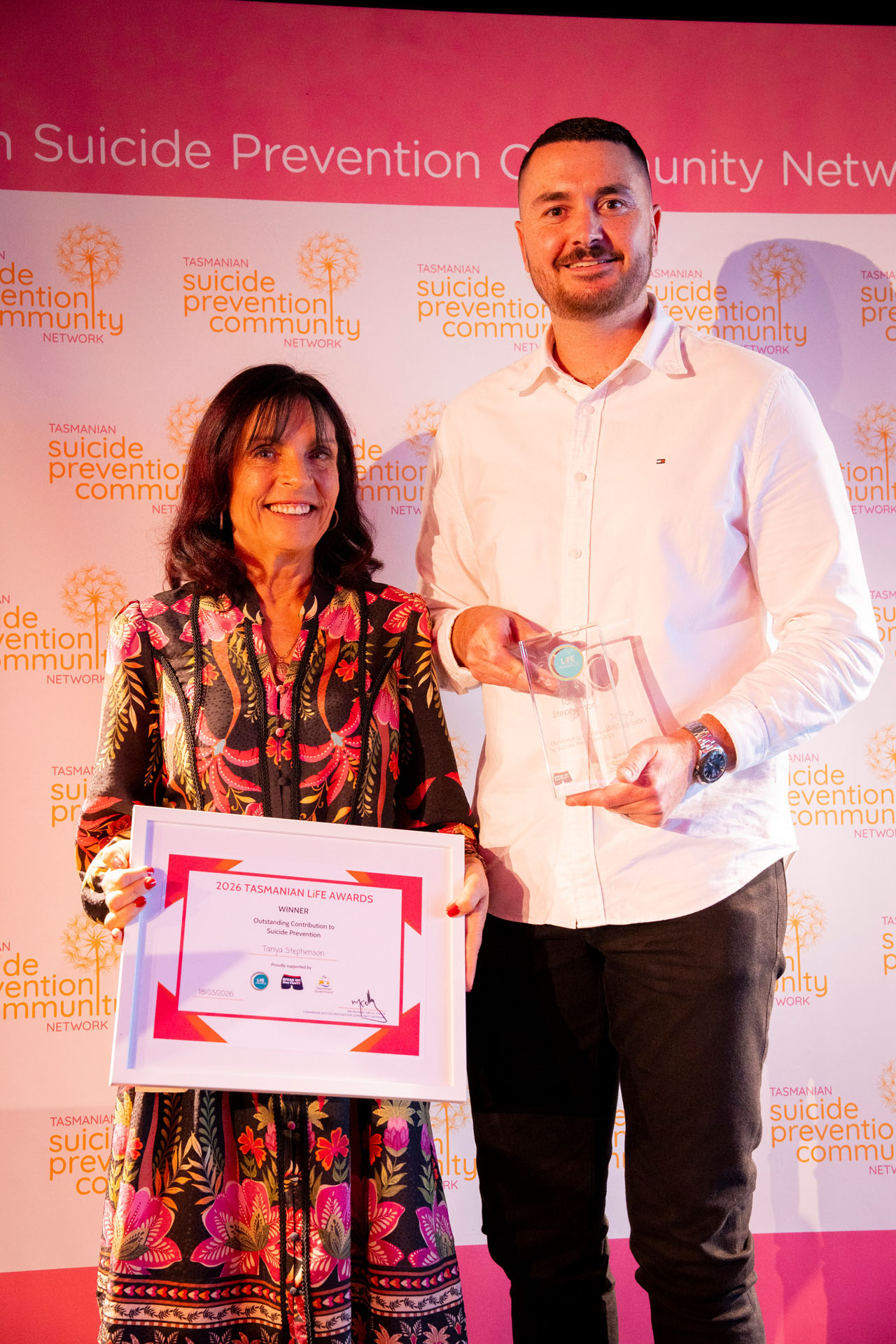
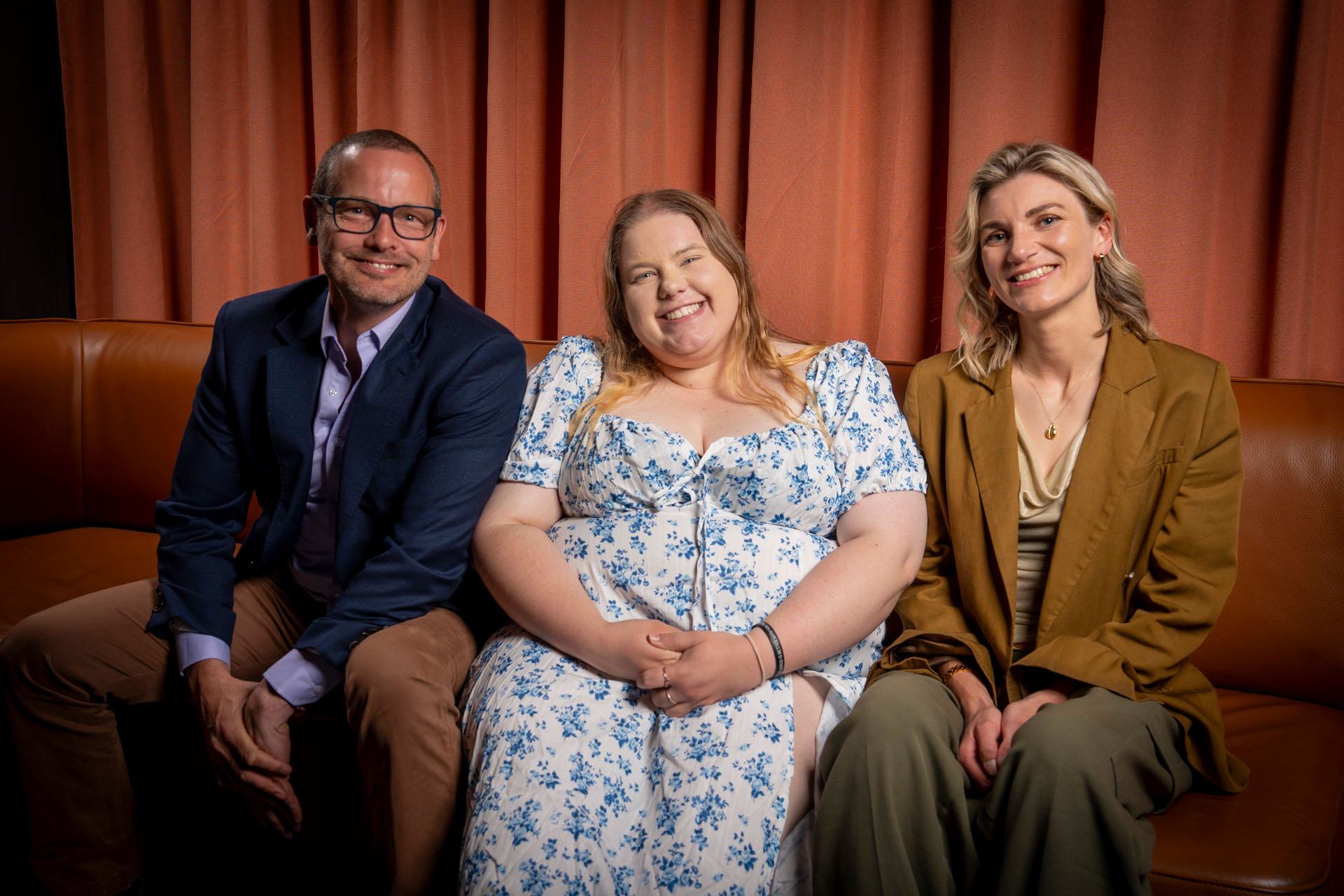
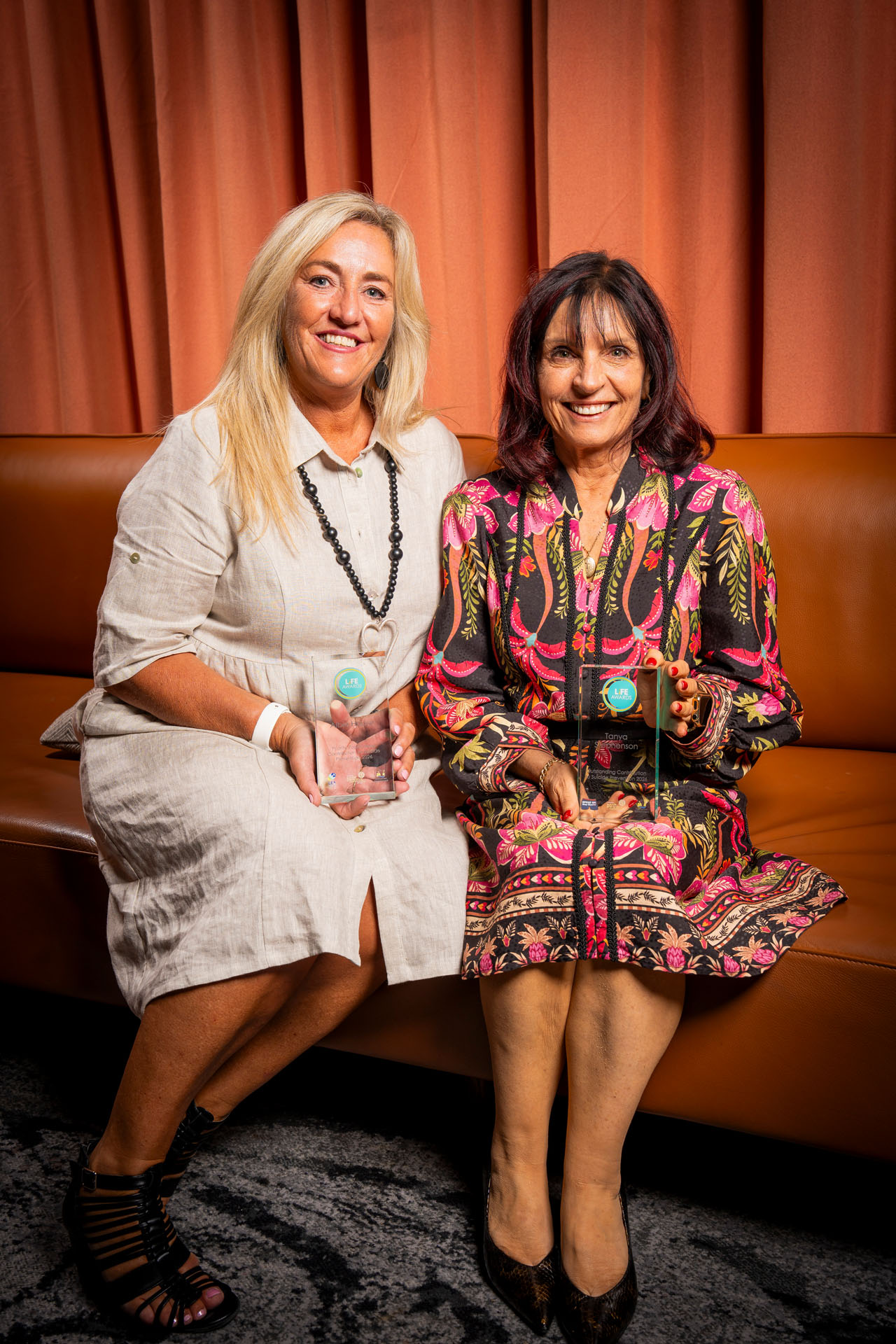
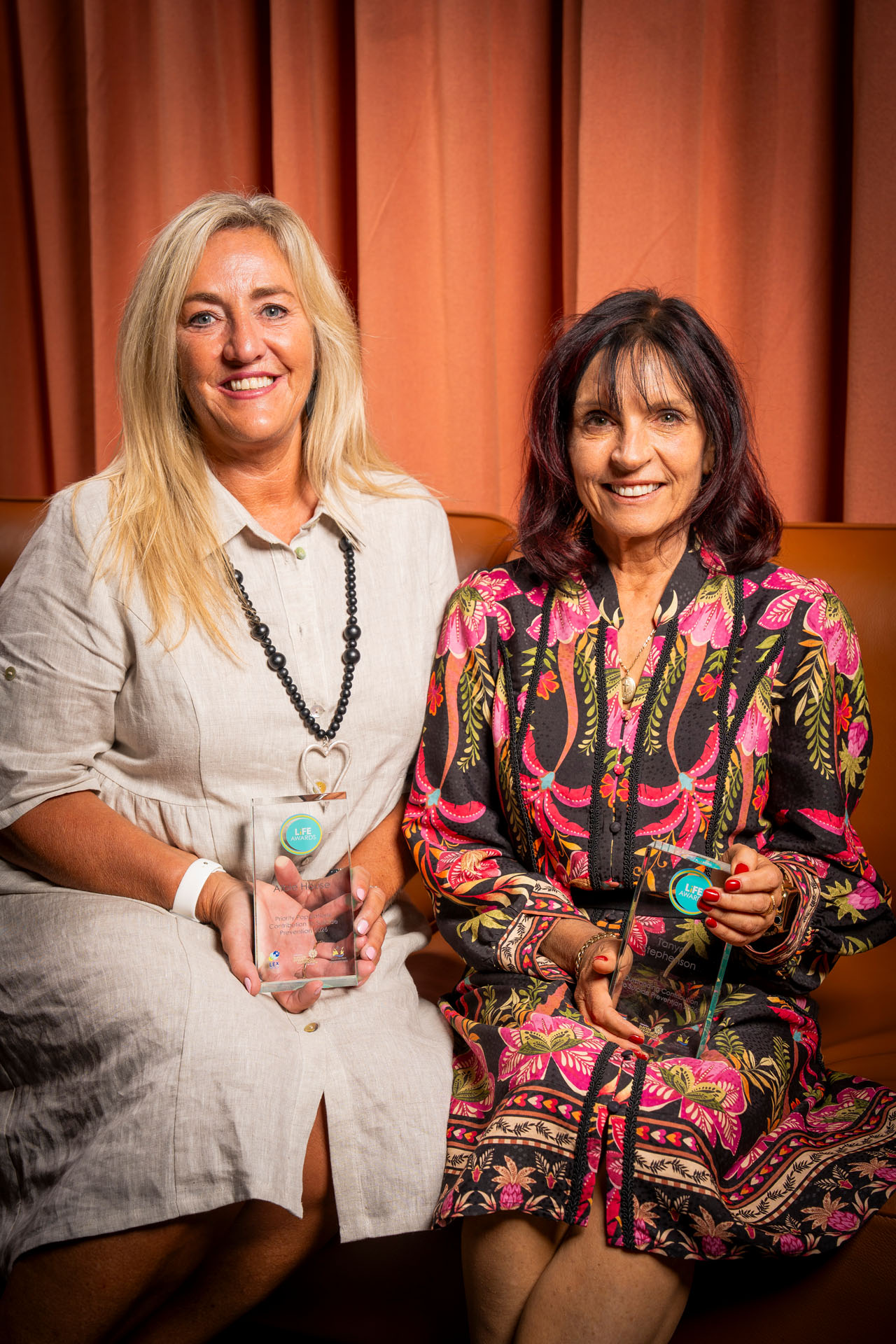
Outstanding Contribution LiFE Award was awarded to Tanya Stephenson
Tanya is a certified Life Coach and accredited Advanced Grief Recovery Specialist, specialising in grief, loss, and bereavement. Drawing from her own lived experience, which began with a family breakdown, followed by the suicide of her children’s father and the death of her eldest son in a motorcycle accident three years later, she provides hope and support to others. Tanya has developed a unique, action-oriented grief and loss approach that empowers individuals to process emotions, address issues before they escalate to crisis, and move from isolation to healing. This helps to strengthen families and communities by minimising the devastating impact of suicide.
Tanya’s professional care has given clients practical tools, prevented suicides and fostered recovery. Her dedication goes far beyond expectations; she frequently volunteers her time, sometimes sitting with individuals in crisis for extended periods at no cost, ensuring they have access to both clinical resources and her professional support.
Tanya is committed to continuous quality improvement in her suicide prevention work. She serves as a casual peer support worker for StandBy Support After Suicide in Tasmania, regularly managing crisis calls as part of the StandBy After Hours team. Tanya also volunteers for the Suicide Bereavement Group. Her commitment to learning is evident in her participation in speaking engagements and conferences, where she shares lived experience insights and collaborates with professionals and community members.
Tanya’s unique blend of lived experience and compassionate care meets the needs of the community in an innovative and deeply personal way, making a significant difference in suicide prevention in Tasmania.


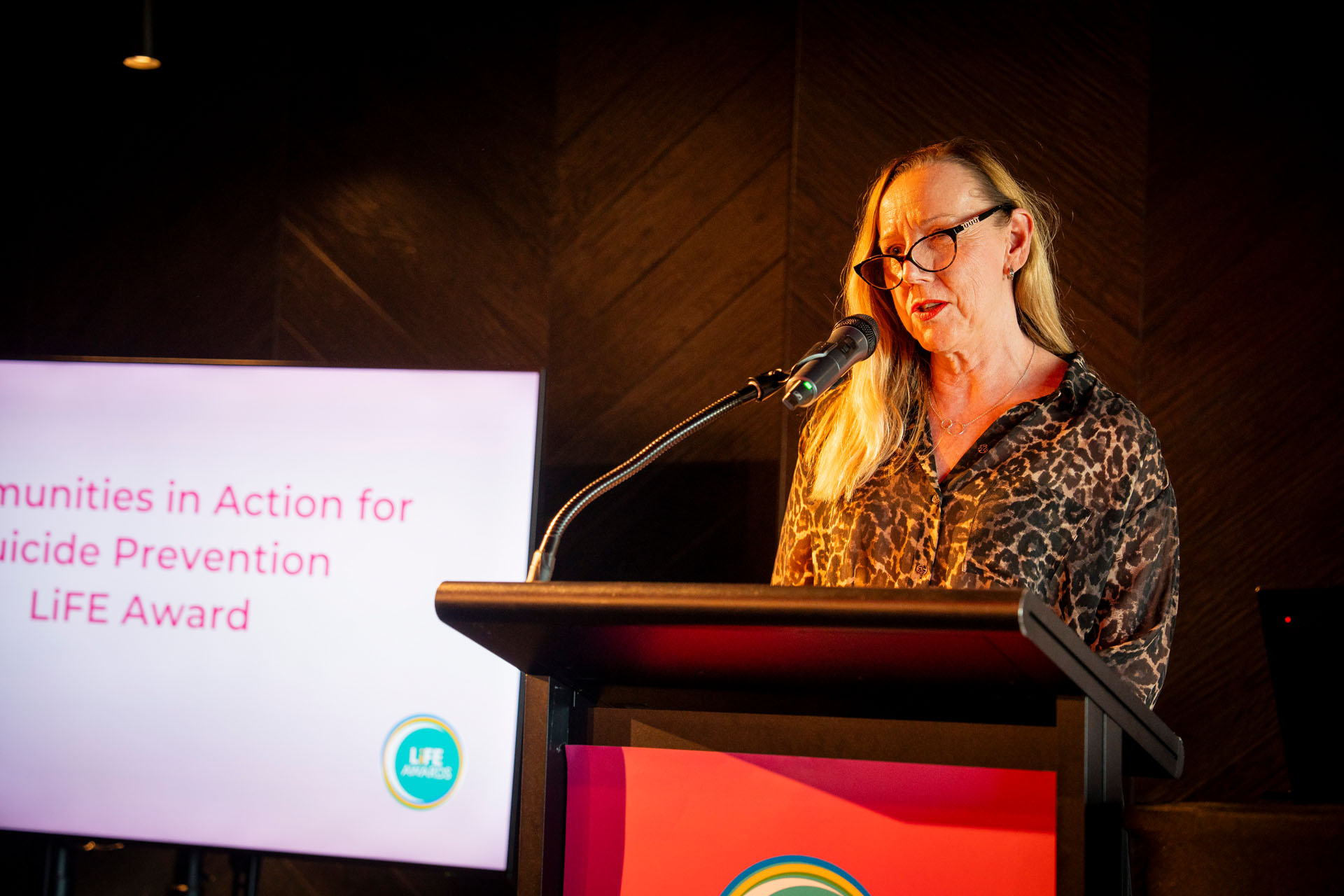
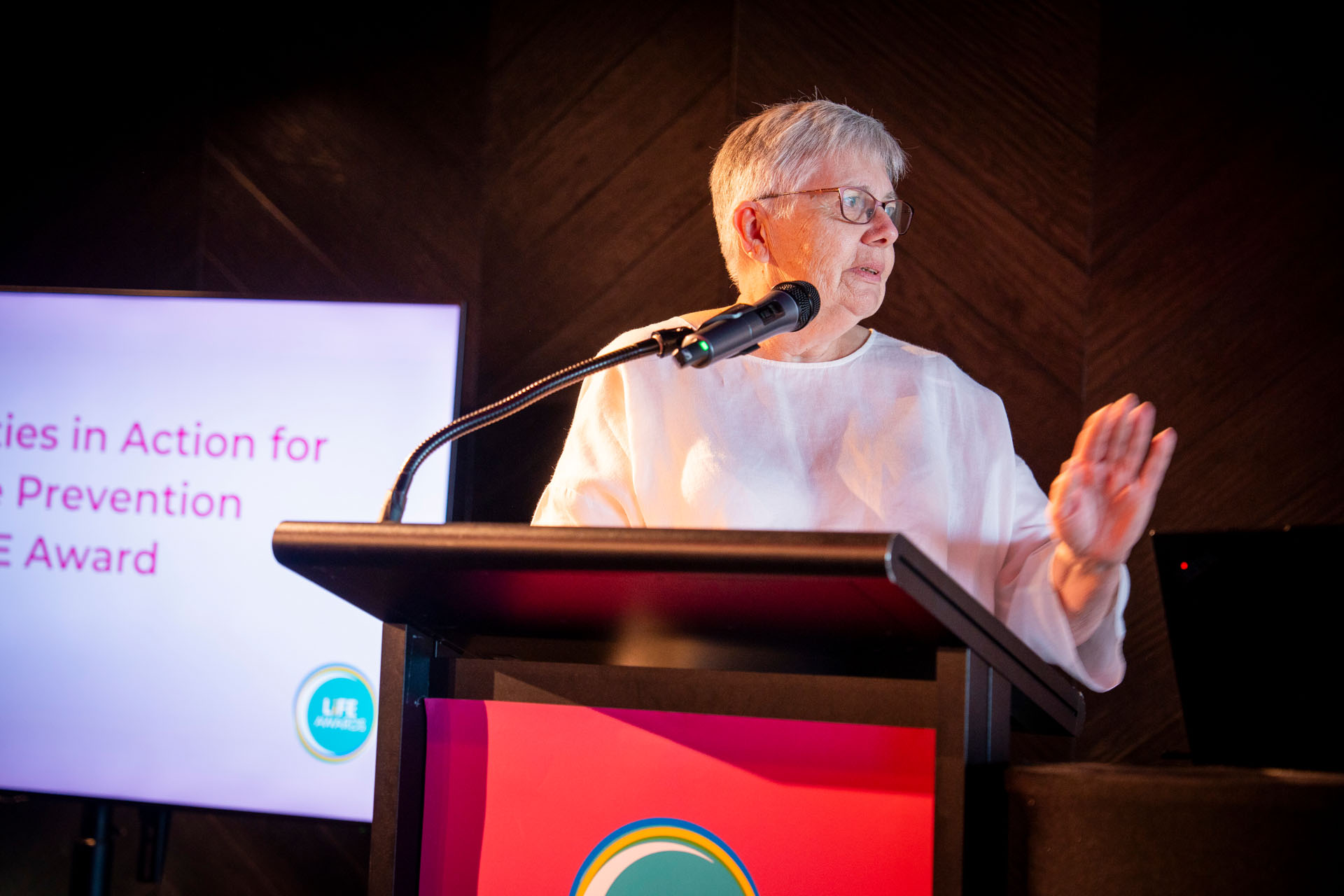
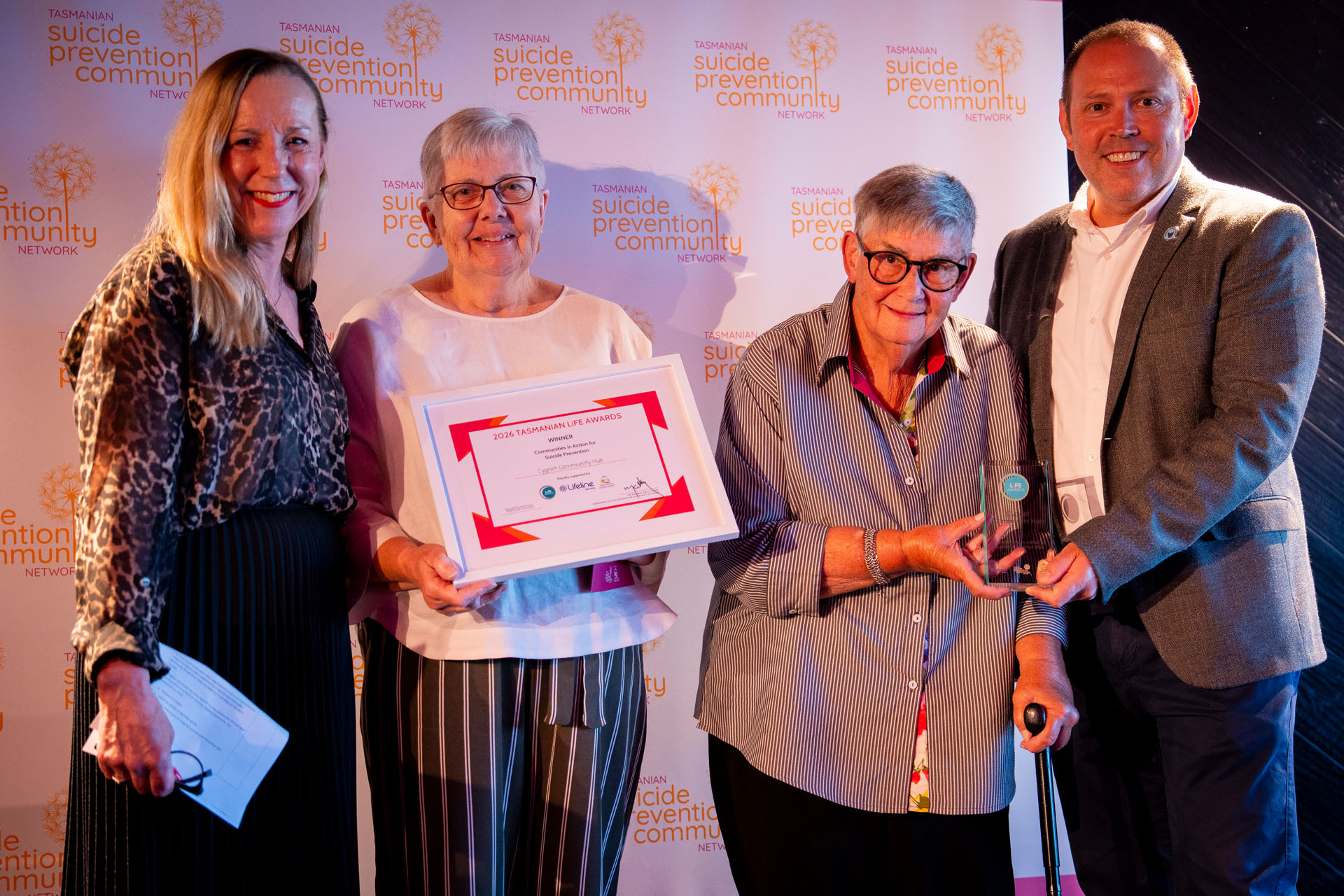
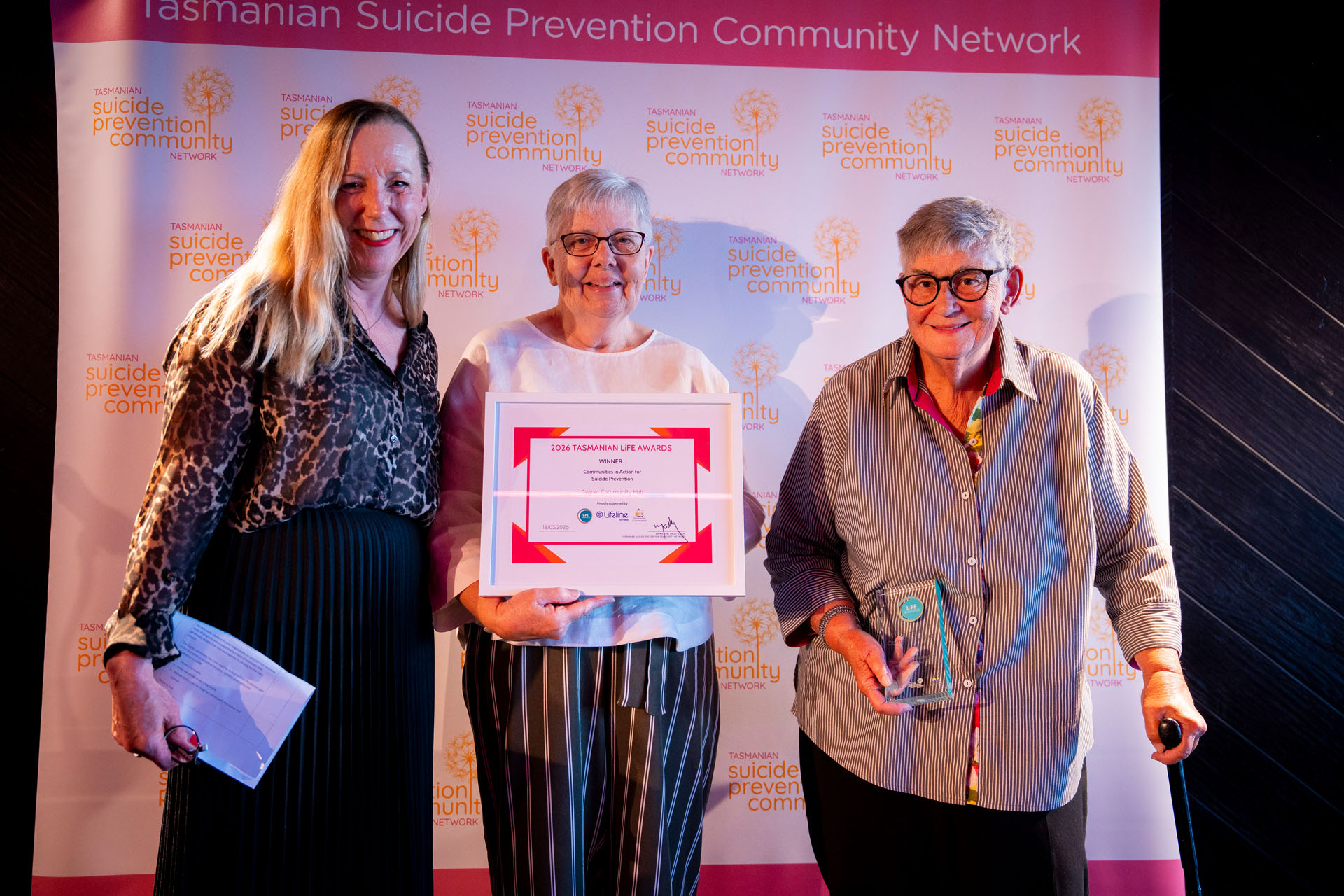
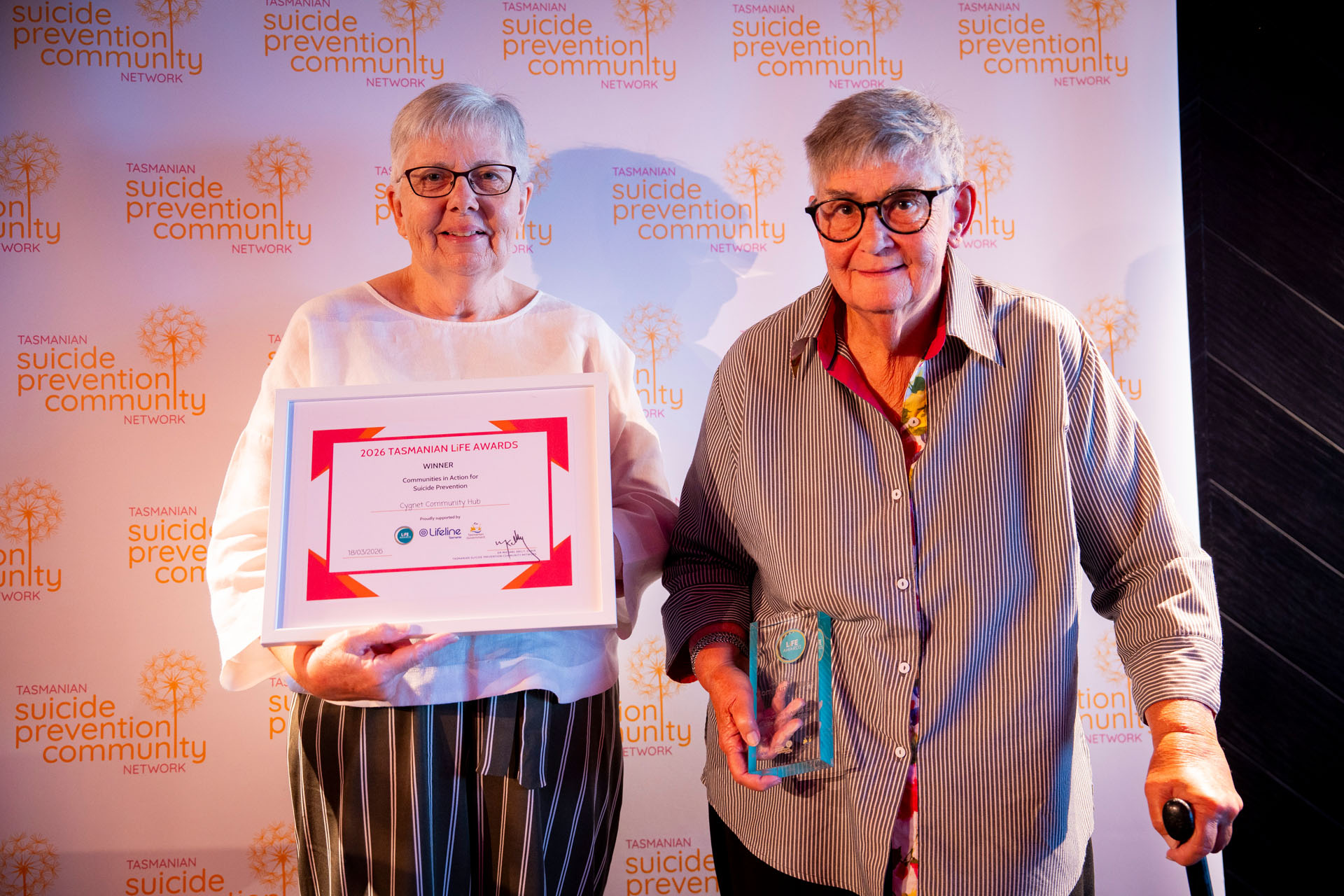
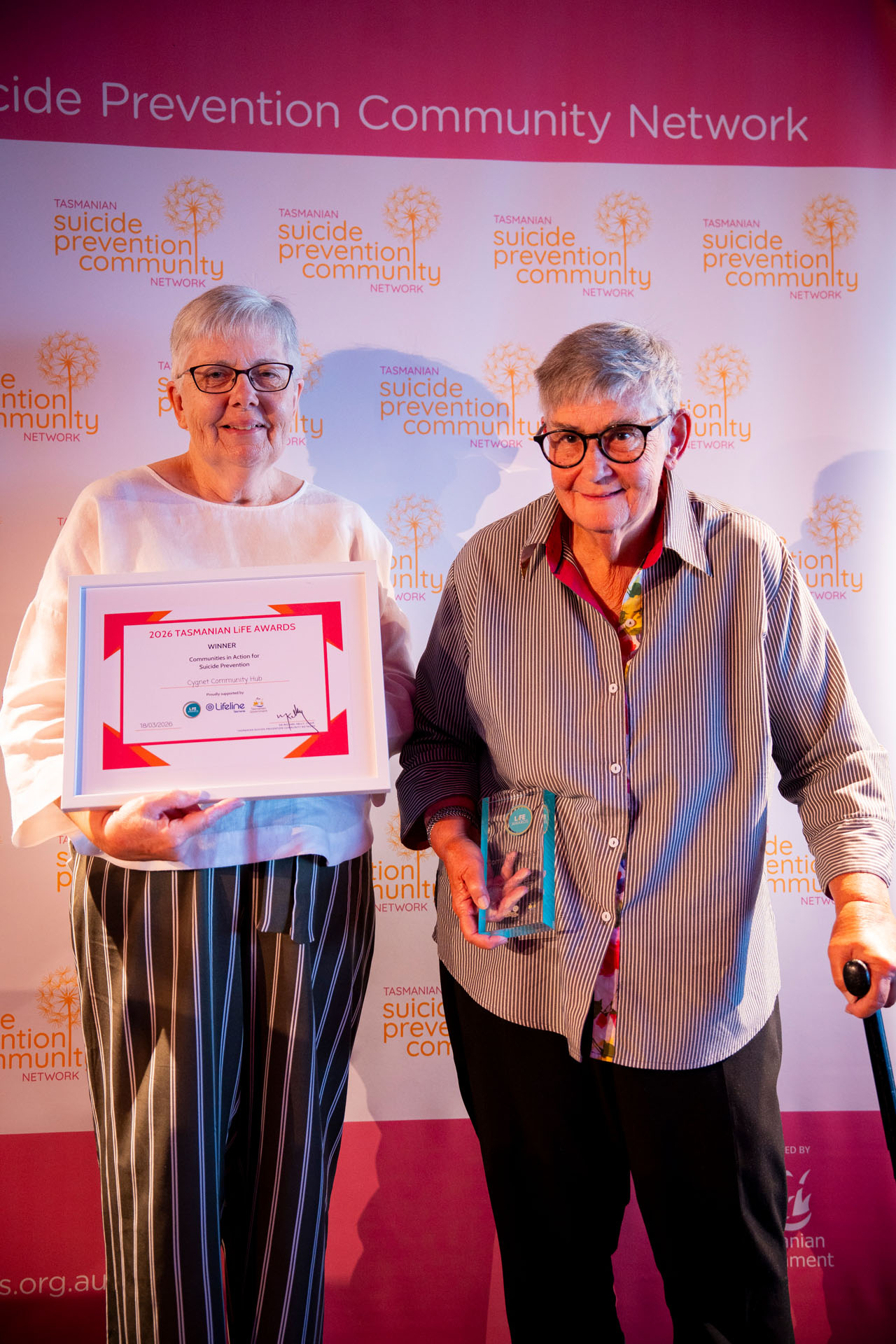
Communities in Action for Suicide Prevention LiFE Award was awarded to Cygnet Community Hub
The Cygnet Community Hub was established in 2016 following four suicides
in the community in one week. Mez Newman and Cate Warren, who come from extensive health careers, recognised that there was an urgent need in the community for a suicide prevention model.
Mez and Cate were informed of a community action plan that they could pursue, which resulted in four workshops to explore the need for broad support to prevent instances of extreme adverse mental health events.
Following the workshops, the Cygnet Community ‘Hub’, as it fondly came to be known, moved into the offices at Cygnet Town Hall, where it has been operating under Mez and Cate’s direction for the past nine years.
The Hub supports the community by connecting people, providing information, helping access to services, and supporting cultural activities of the town. It operates in the real world, not in a theoretical textbook environment, and staff follow up with people sometimes long after their difficult situation has been resolved. Nothing is too big or too small for the team to tackle. They do not judge, and will sit and listen to a person’s problems, and offer real life remedies and solutions.
The Hub works closely with other organisations to carry out their extensive range of programs and is supported by a team of volunteers who generously donate their time and expertise in carrying out the Hub’s mission.
The Cygnet community has come together to help achieve the ultimate goal of the Hub which is to build an inclusive, resilient community, one conversation at a time.
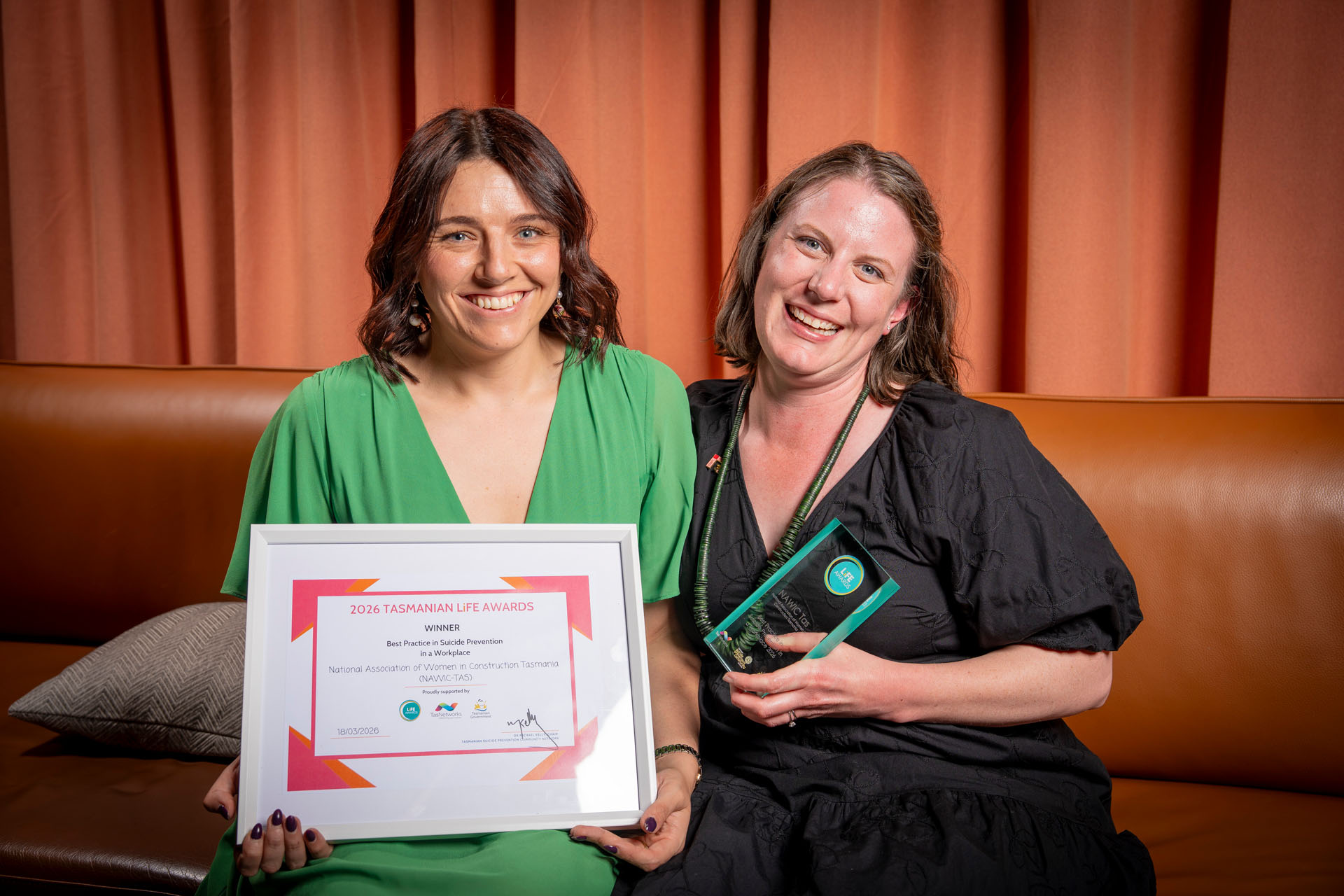

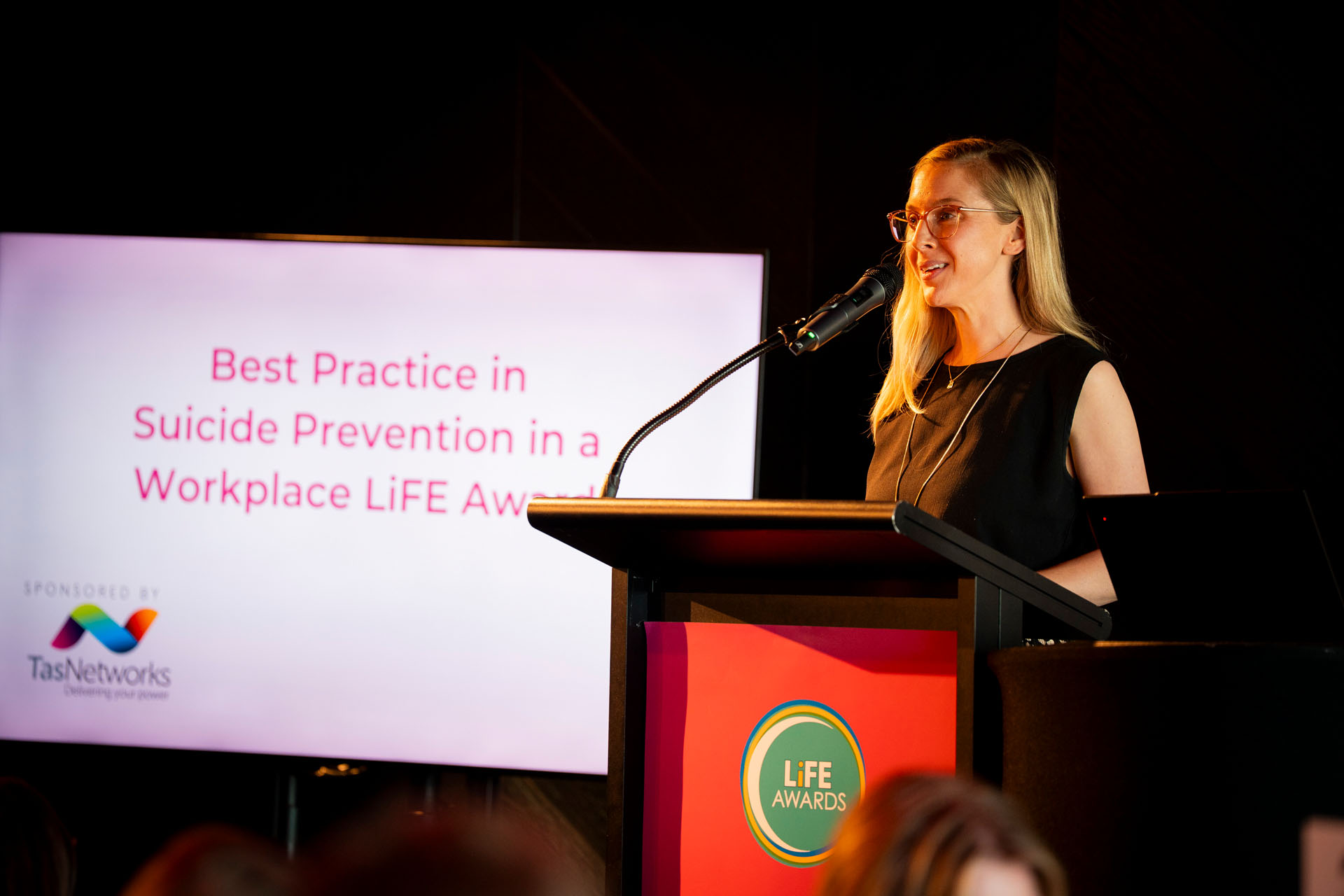
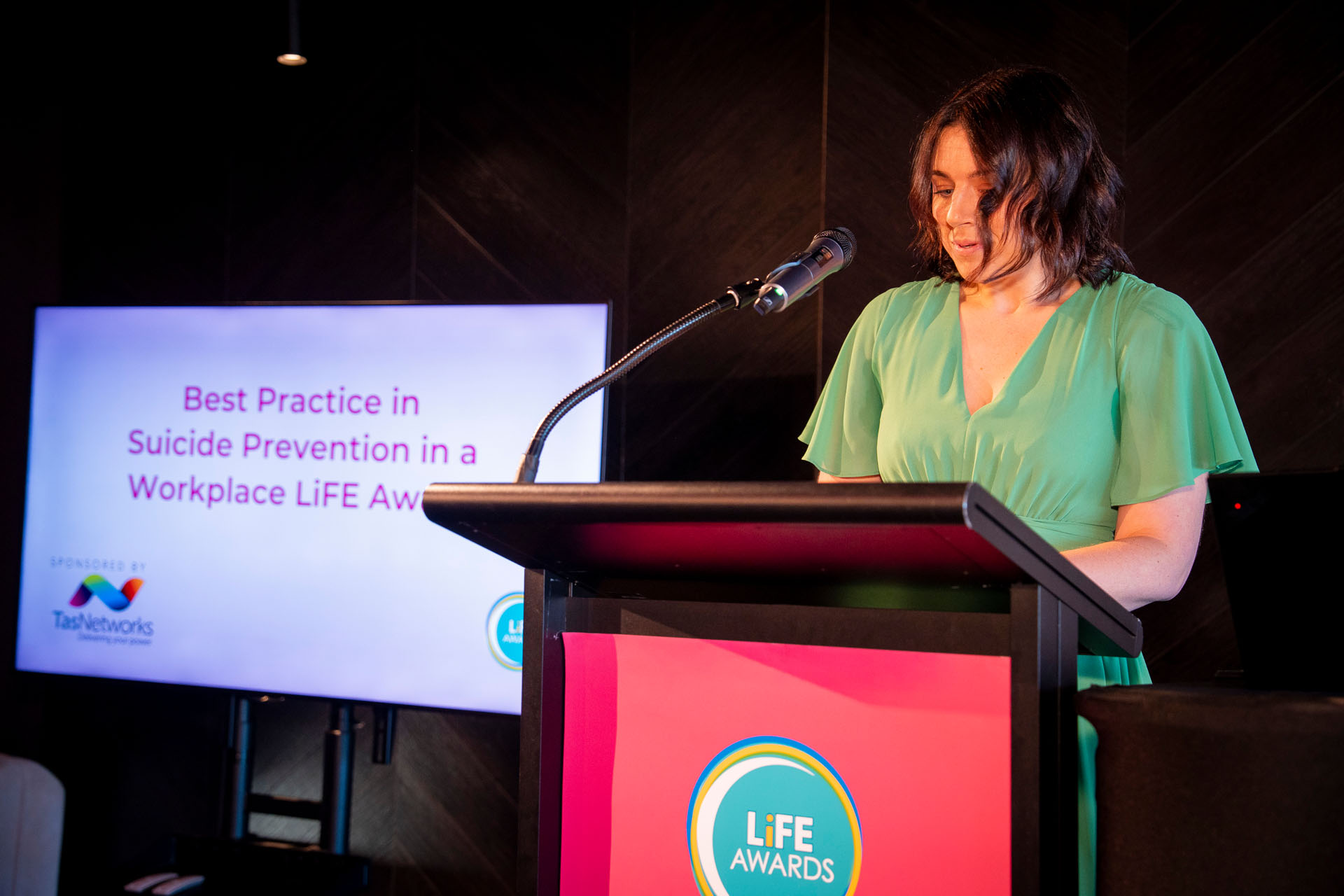
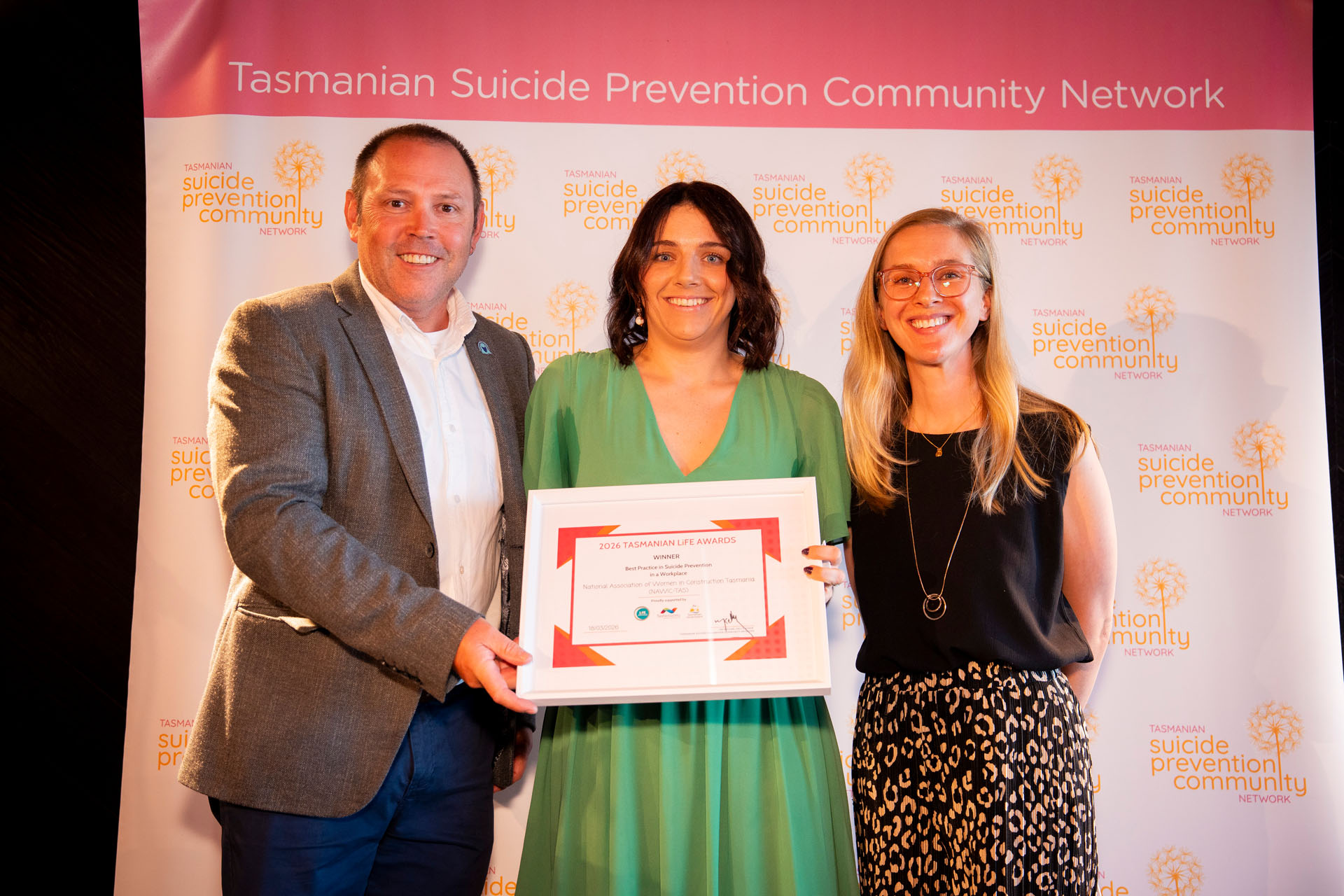
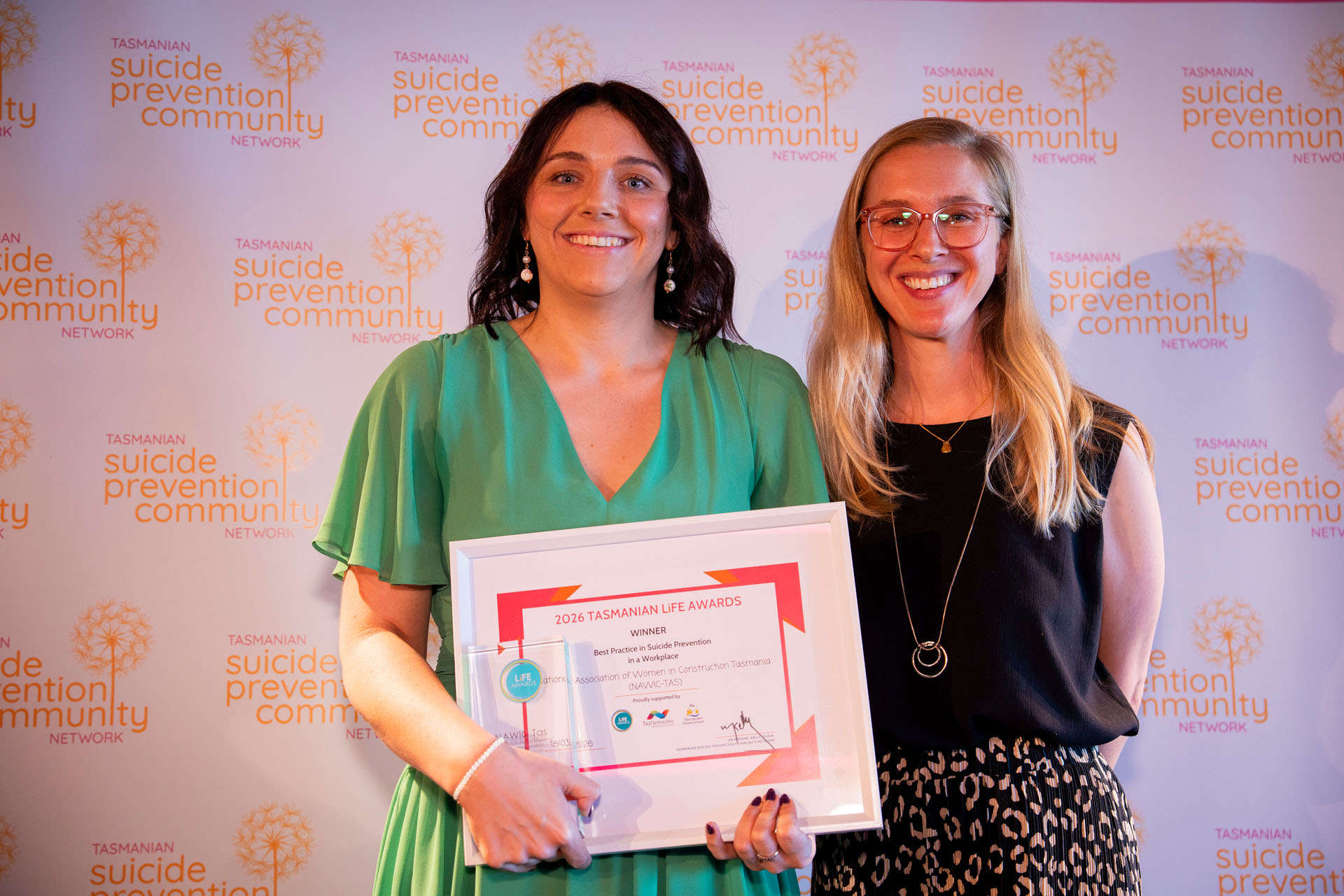
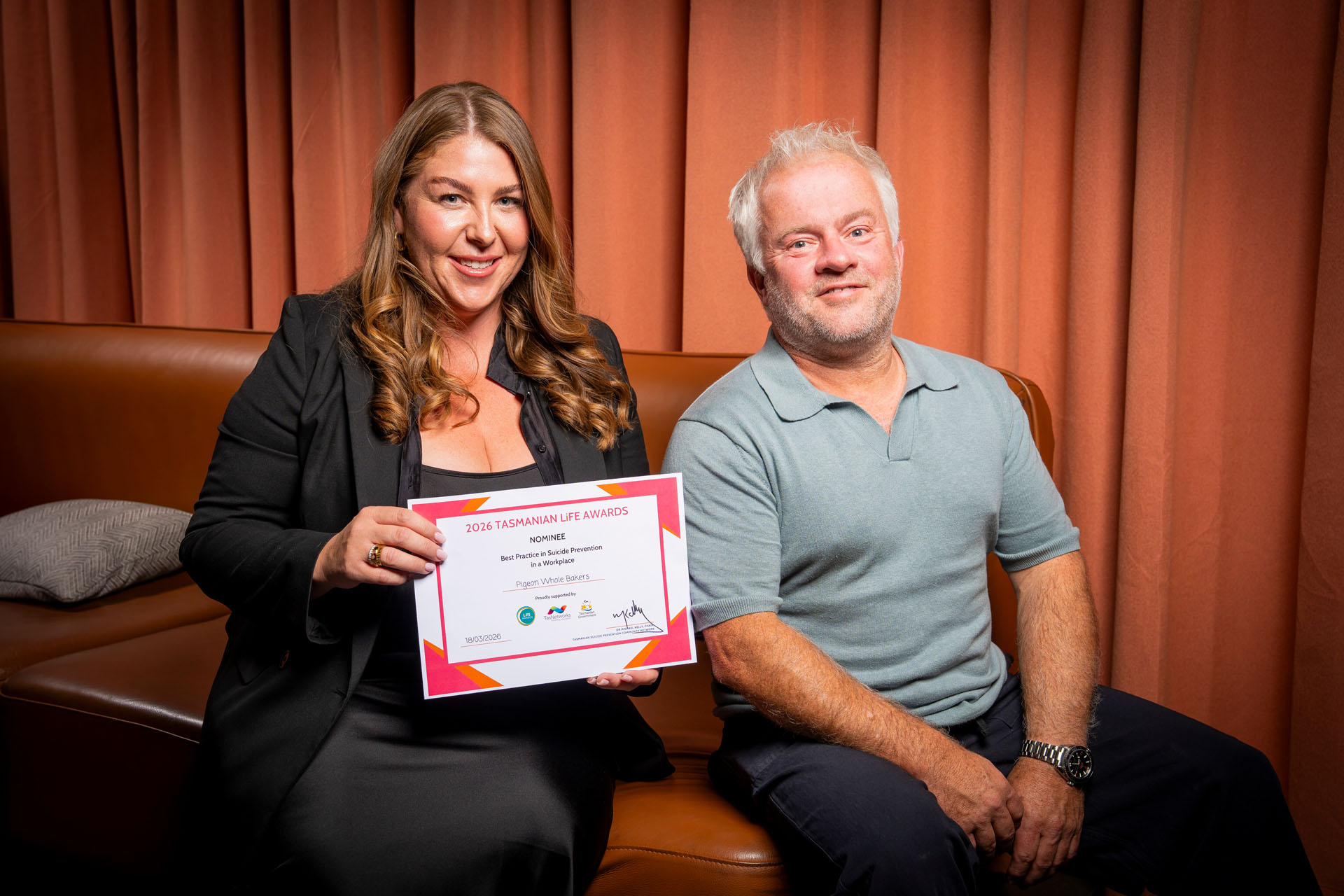
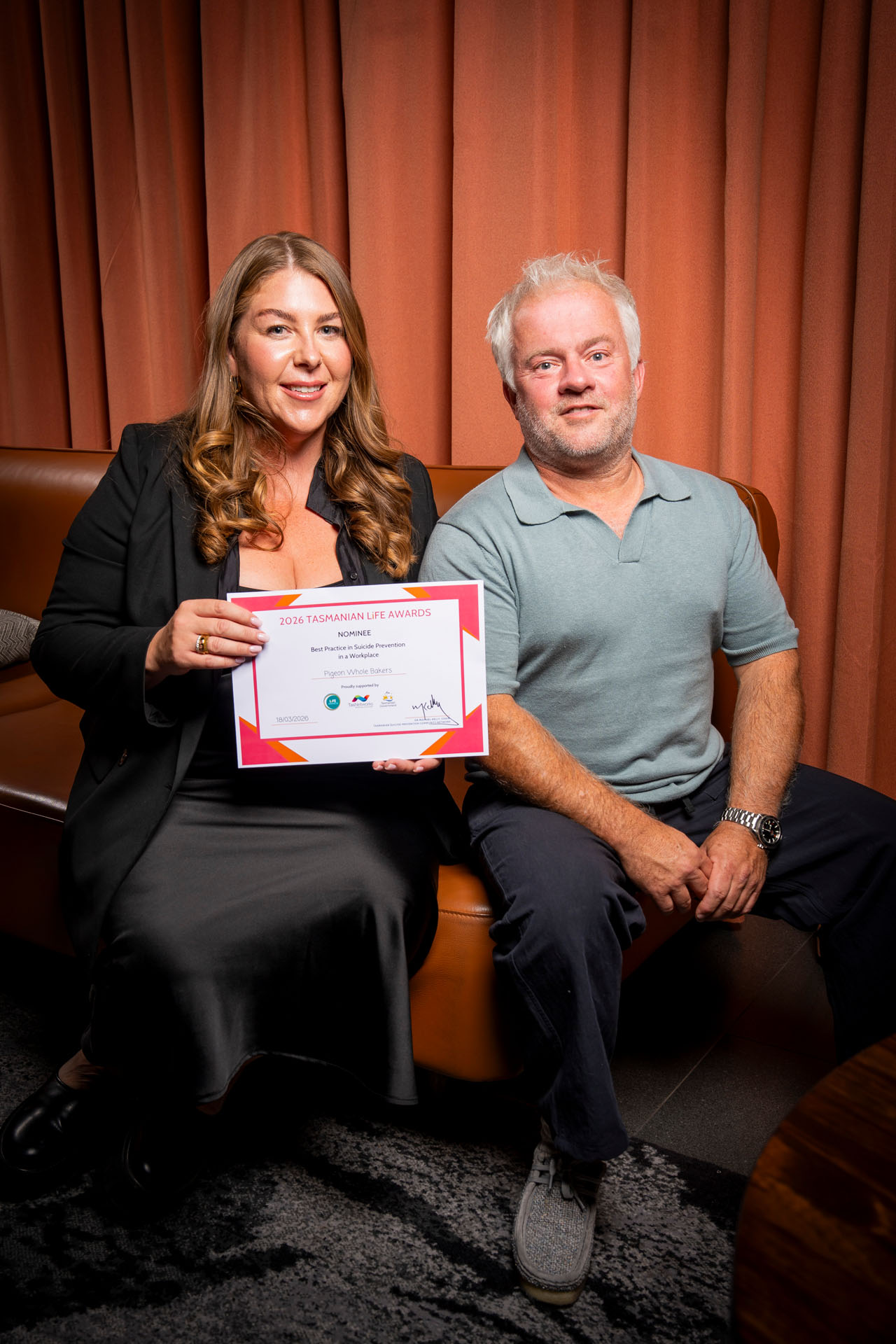
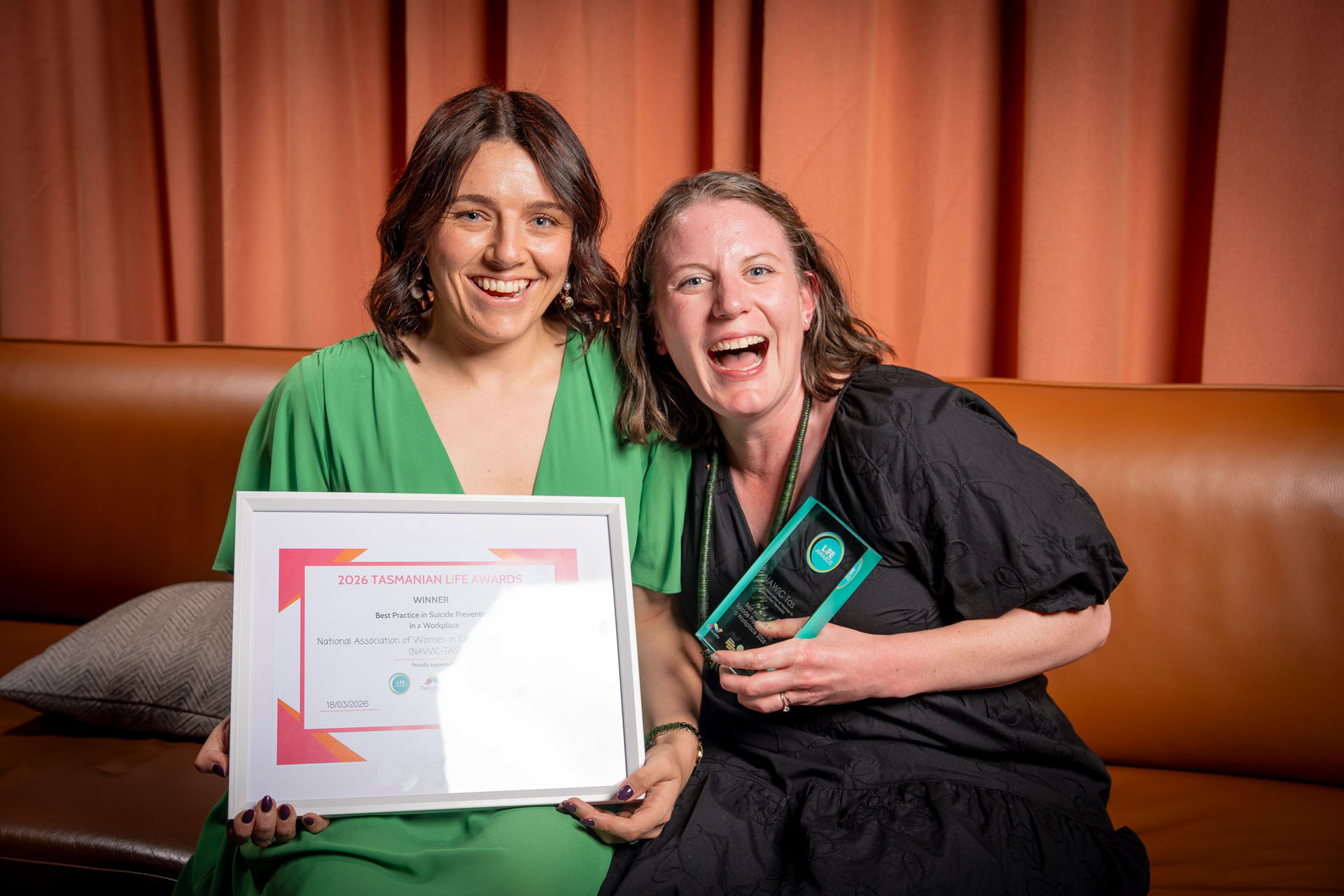
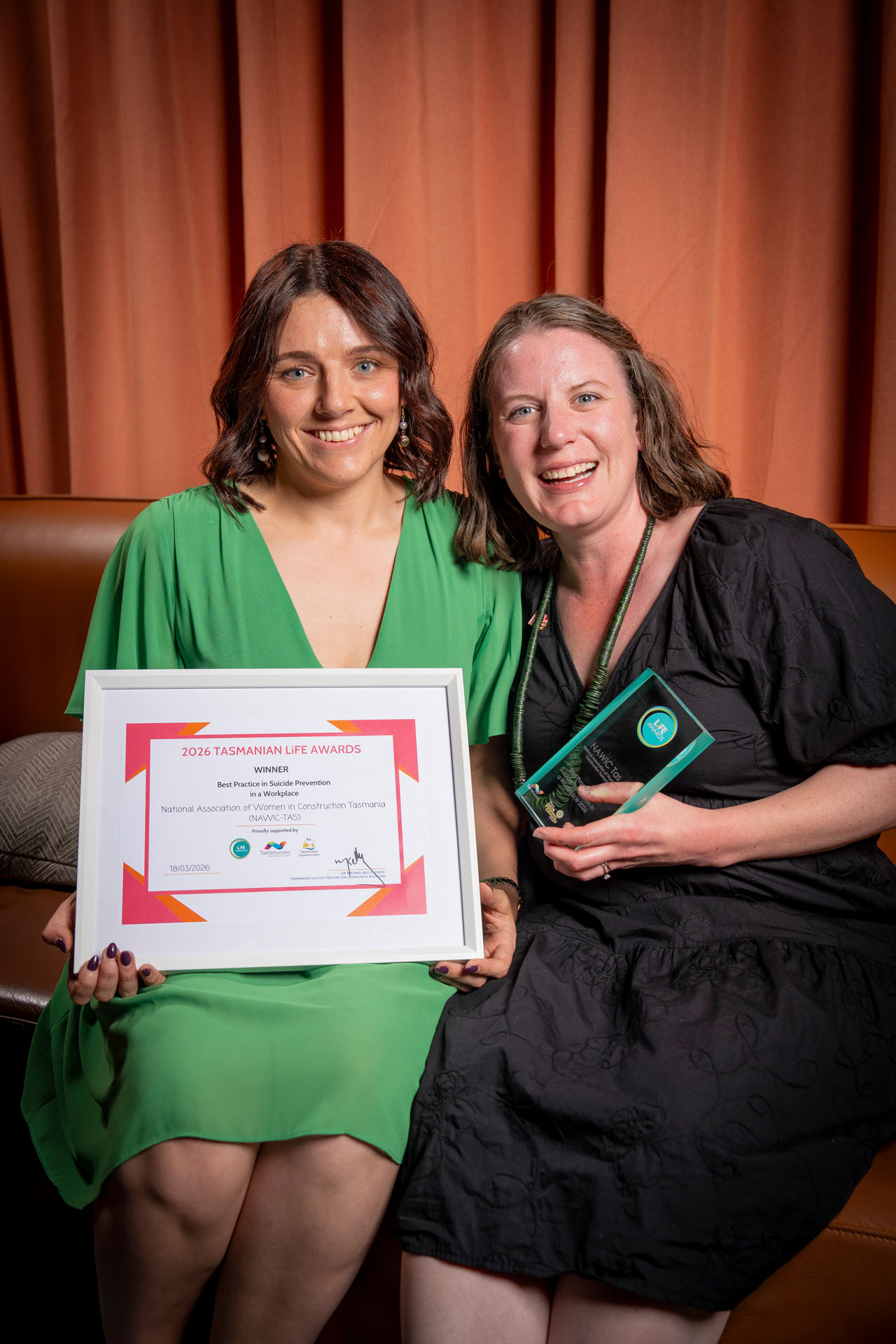
Best Practice in Suicide Prevention in a Workplace LiFE Award was awarded to National Association of Women in Construction (NAWIC Tas)
Since 2016, NAWIC Tasmania has reshaped Tasmania’s construction culture by championing inclusion, opportunity, and visibility at every level, creating workplaces where staff feel safe, supported, and connected.
By breaking down isolation and promoting peer support, their initiatives not only advance careers but also strengthen mental wellbeing. This helps prevent workplace stress, ensuring every individual has the opportunity to thrive personally and professionally in Tasmania’s construction industry.
Among its many initiatives, the chapter provides scholarships, enabling women to progress their careers, such as Tiana, who transitioned from a site-based role into stakeholder engagement and is now progressing into a leadership role in the industry.
Lived experience also informs their work. Many volunteers and mentors have navigated the challenges of being women or allies in a male‑dominated industry. This has helped shape their training, peer support, and community programs. Initiatives such as peer-to-peer mentoring and NAWIC Natters were developed in response to industry feedback, creating informal spaces to share experiences, ask for guidance, and access support, which is critical for mental wellbeing and suicide prevention.
NAWIC Tasmania advocates publicly to break stigma and promote open discussion about mental health. They speak at events such as the Fearless Festival, showcasing the power of shared experiences to bring issues out of the shadows and inspire young people.
Through diversity and inclusion workshops, mentoring pathways, and advocacy for inclusive jobsite standards and supportive policies, NAWIC Tasmania embeds a culture of respect, wellbeing, and open conversation within workplaces in the construction industry.
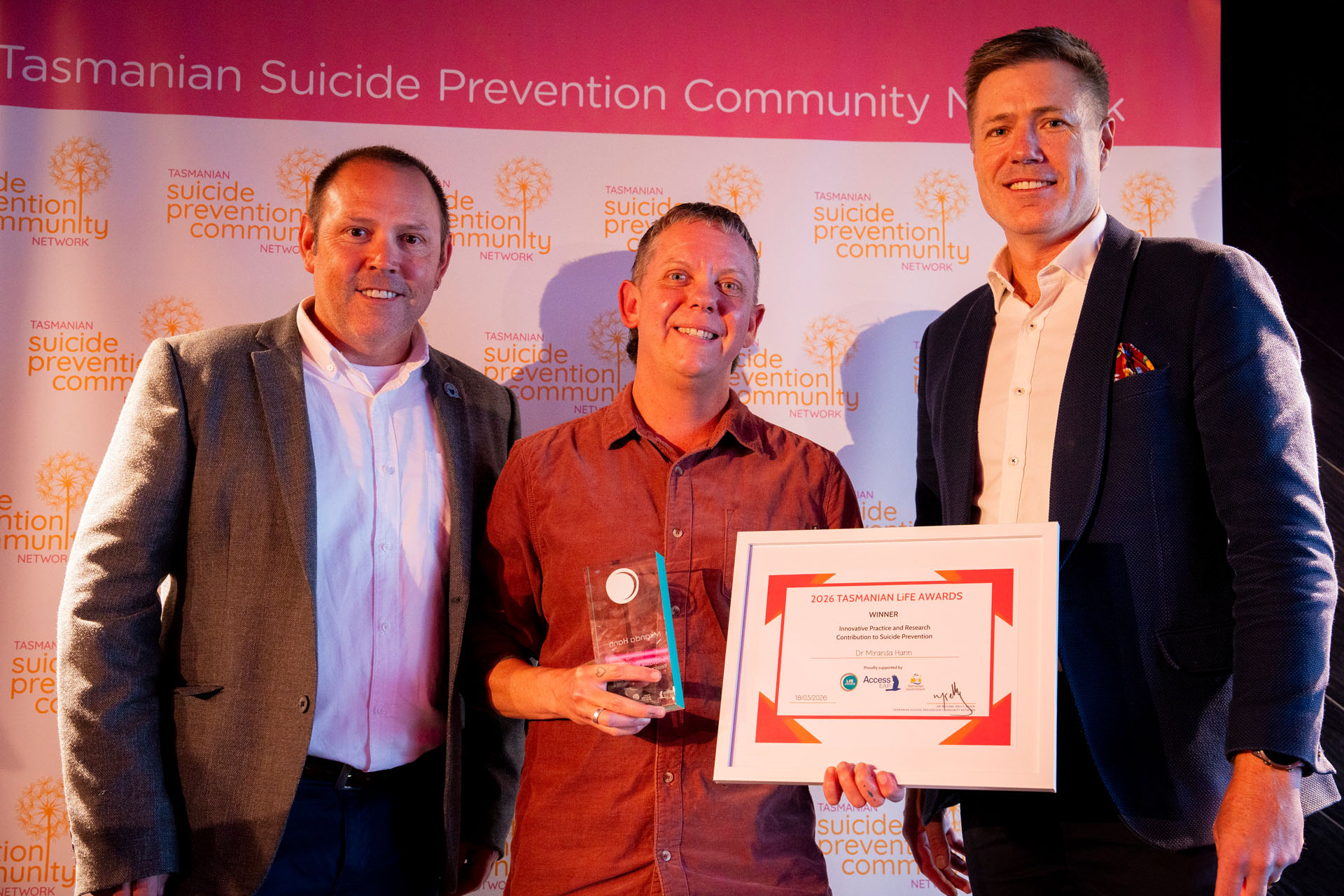
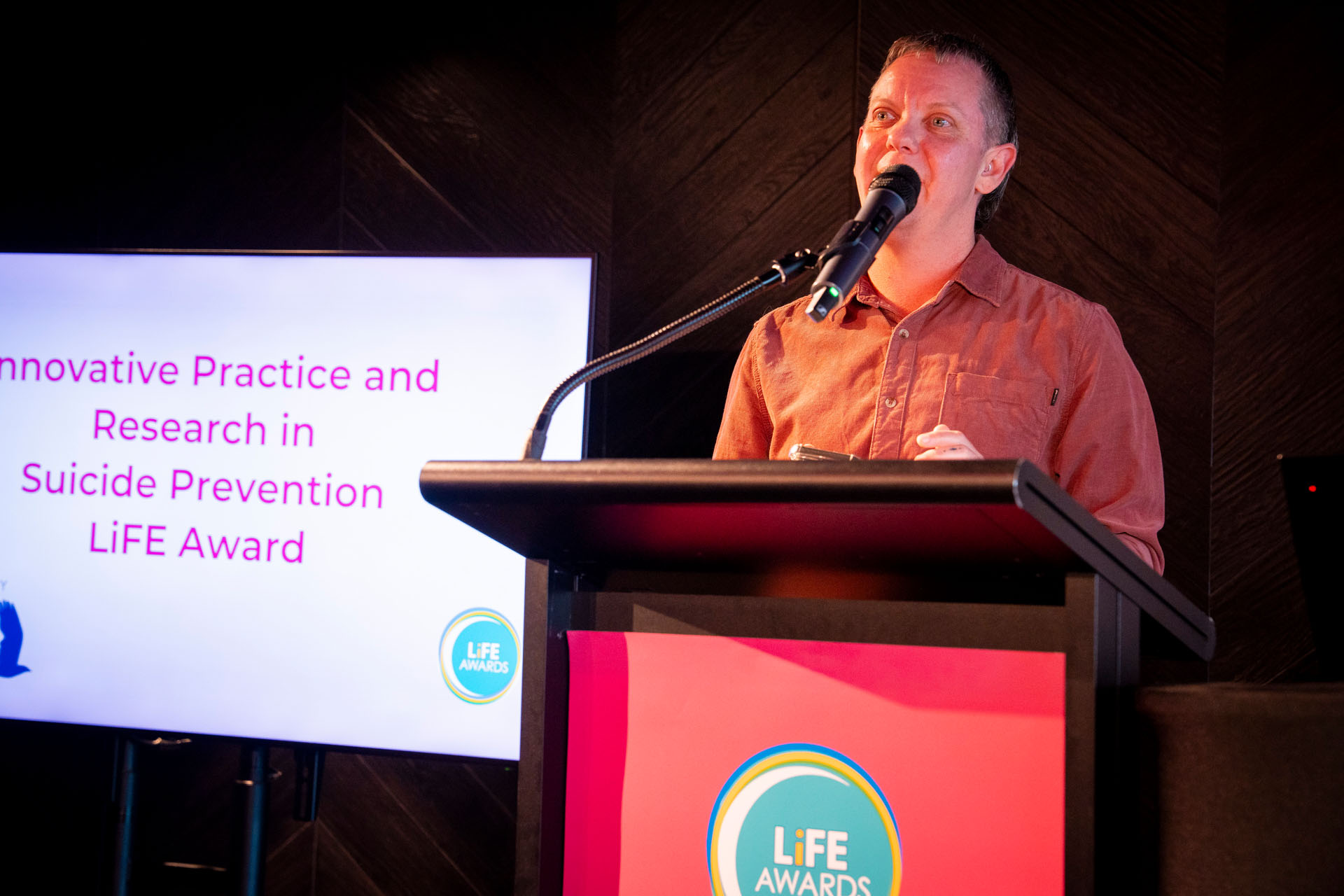
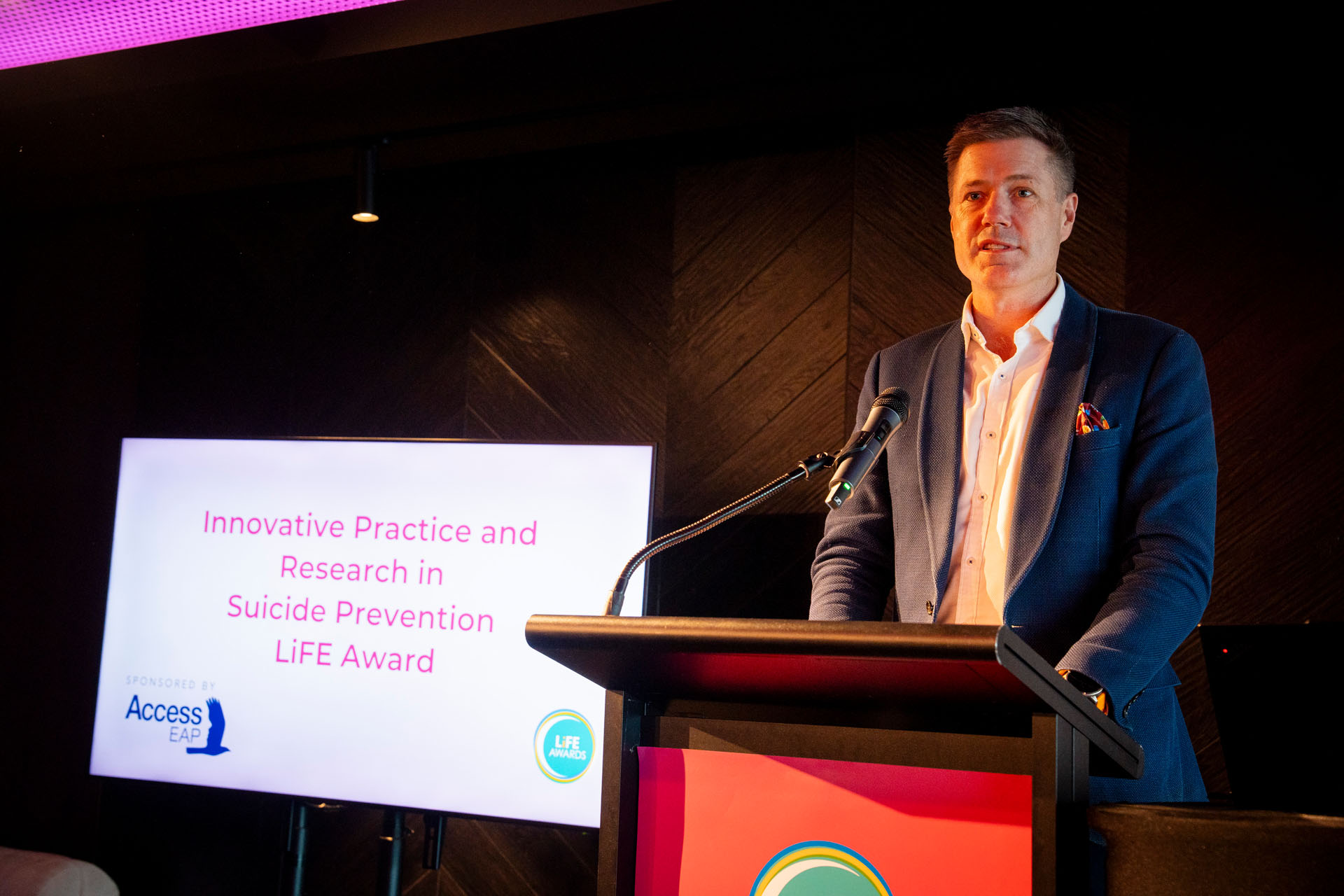
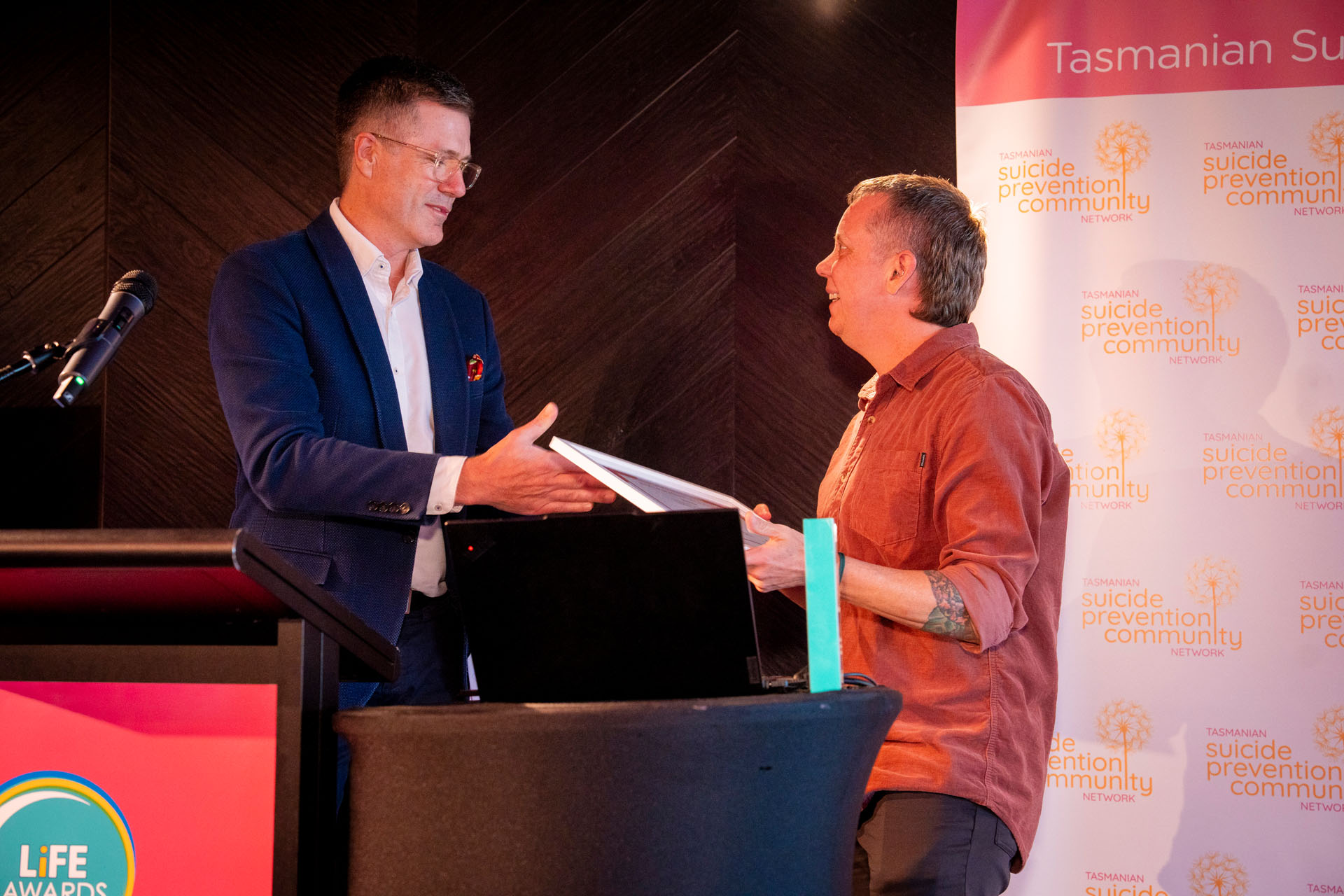
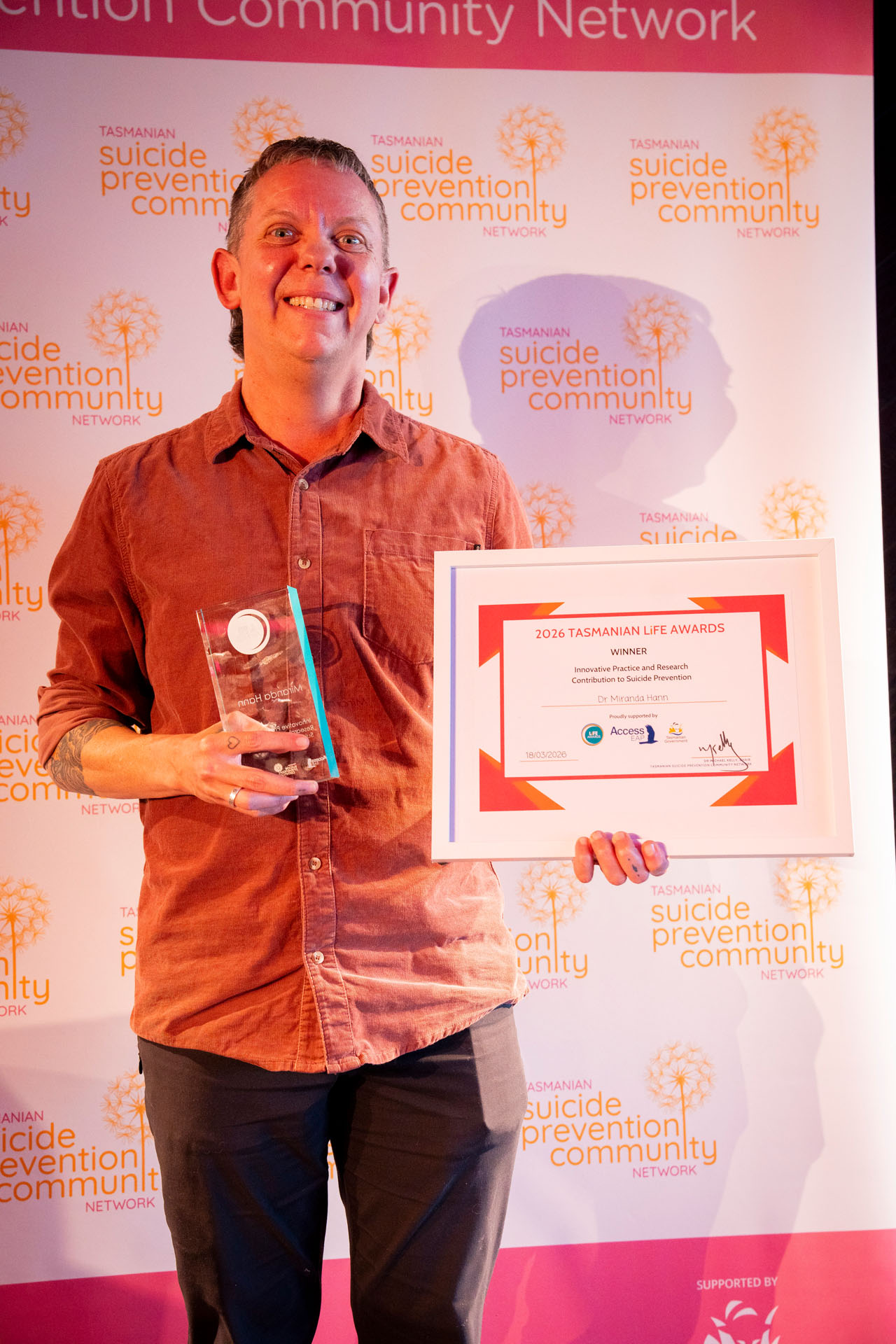
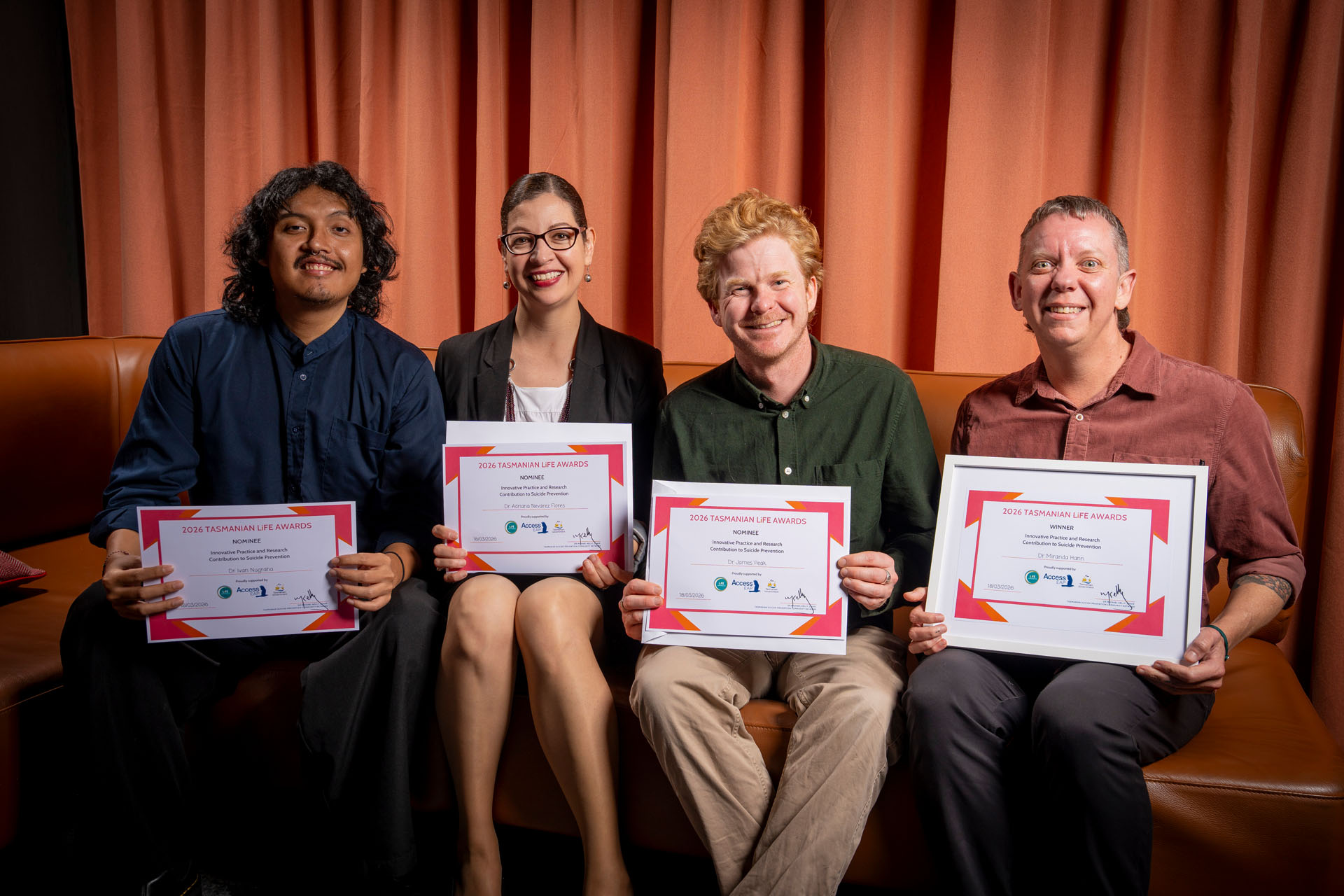
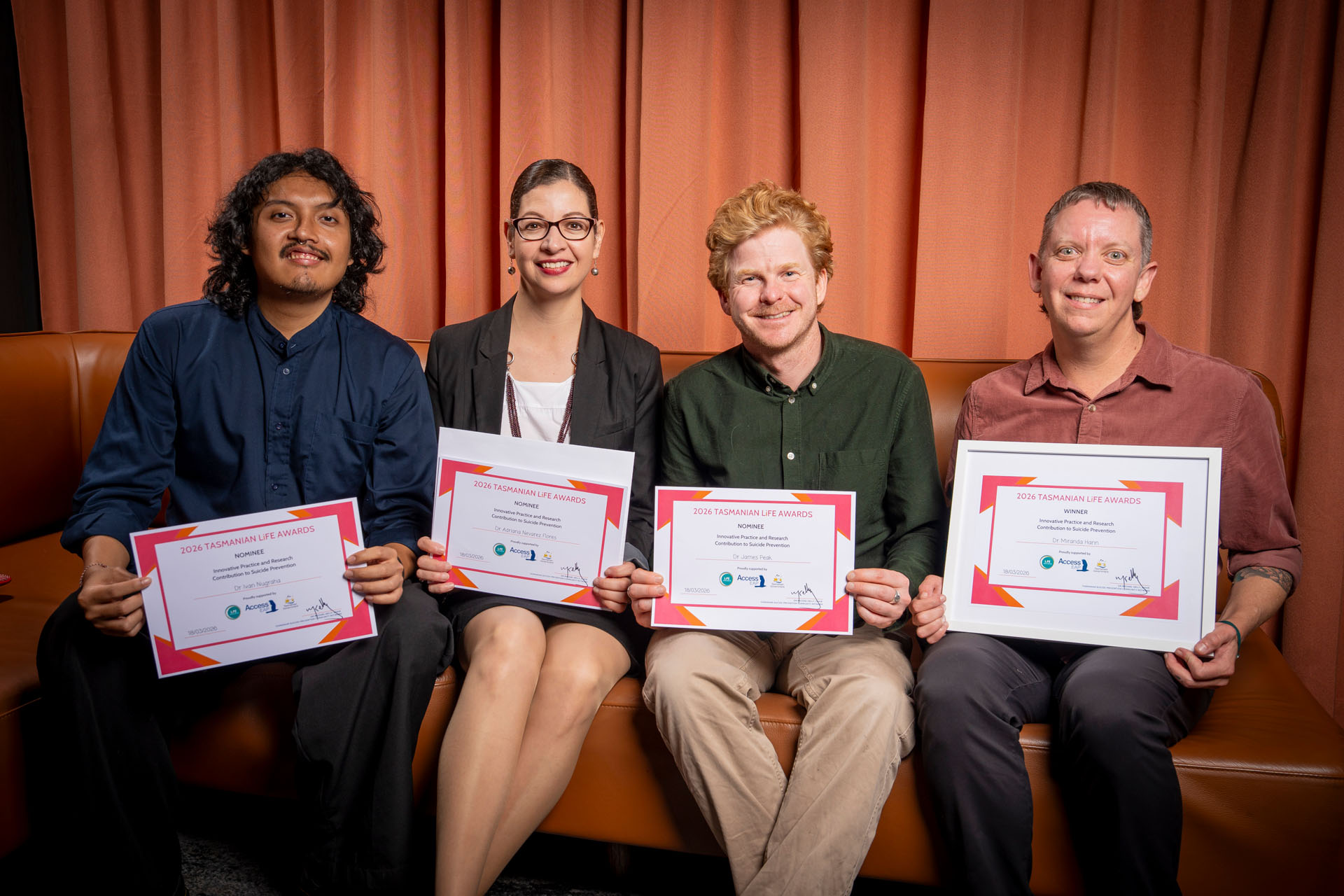
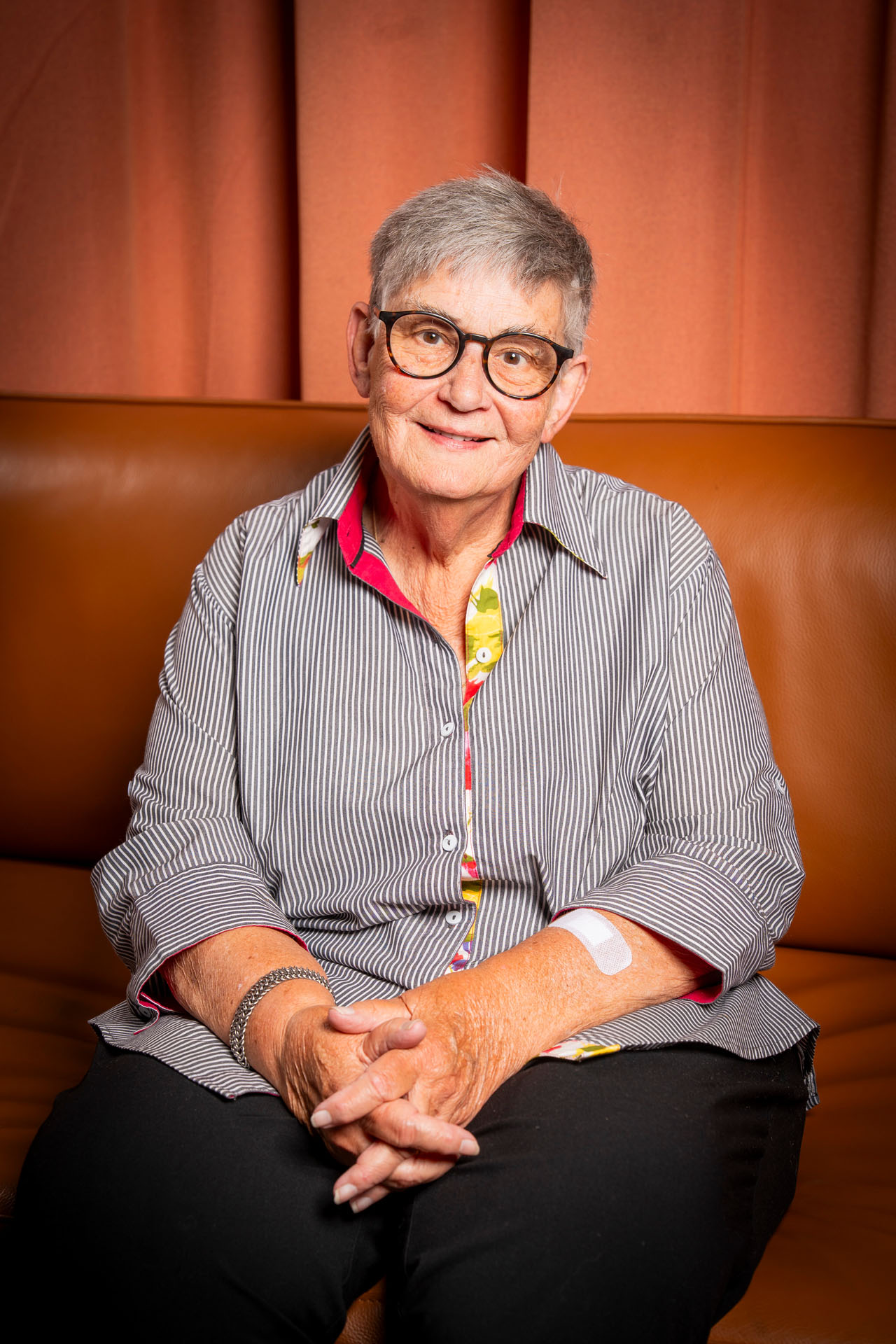
Innovative Practice and Research LiFE Award was awarded to Dr Miranda Hann
Miranda is a GP specialising in gender affirming healthcare for the trans and gender diverse community in Tasmania. Providing access to gender affirming care is known to reduce the mental health burden and suicidal ideation for patients. As a member of the LGBTQIA+ community, Miranda practices community driven healthcare. This means using appropriate language, active listening and treating the holistic person, versus the fractured care that often exists within our healthcare systems.
Miranda’s goal is to eliminate the systemic barriers to healthcare. Mental health access can be financially challenging for patients. She refers patients to accessible services that actively work to be safe spaces for trans and gender diverse patients.
Healthcare is community work, and it cannot be done without involvement of the community. For Miranda, this means listening to patients to understand what works for them in their healthcare experiences. Miranda relies on social prescribing in her practice, as social isolation is a driving risk for mental health decline. She recognises that physical and mental health are intertwined – we cannot support one without supporting the other.
Miranda is on the board for Primary Health Tasmania and she serves on the Department of Health and Department of Justice LGBTQIA+ steering committees, driving change within our systems. She regularly speaks at Parliament to ensure that new policies allow ongoing


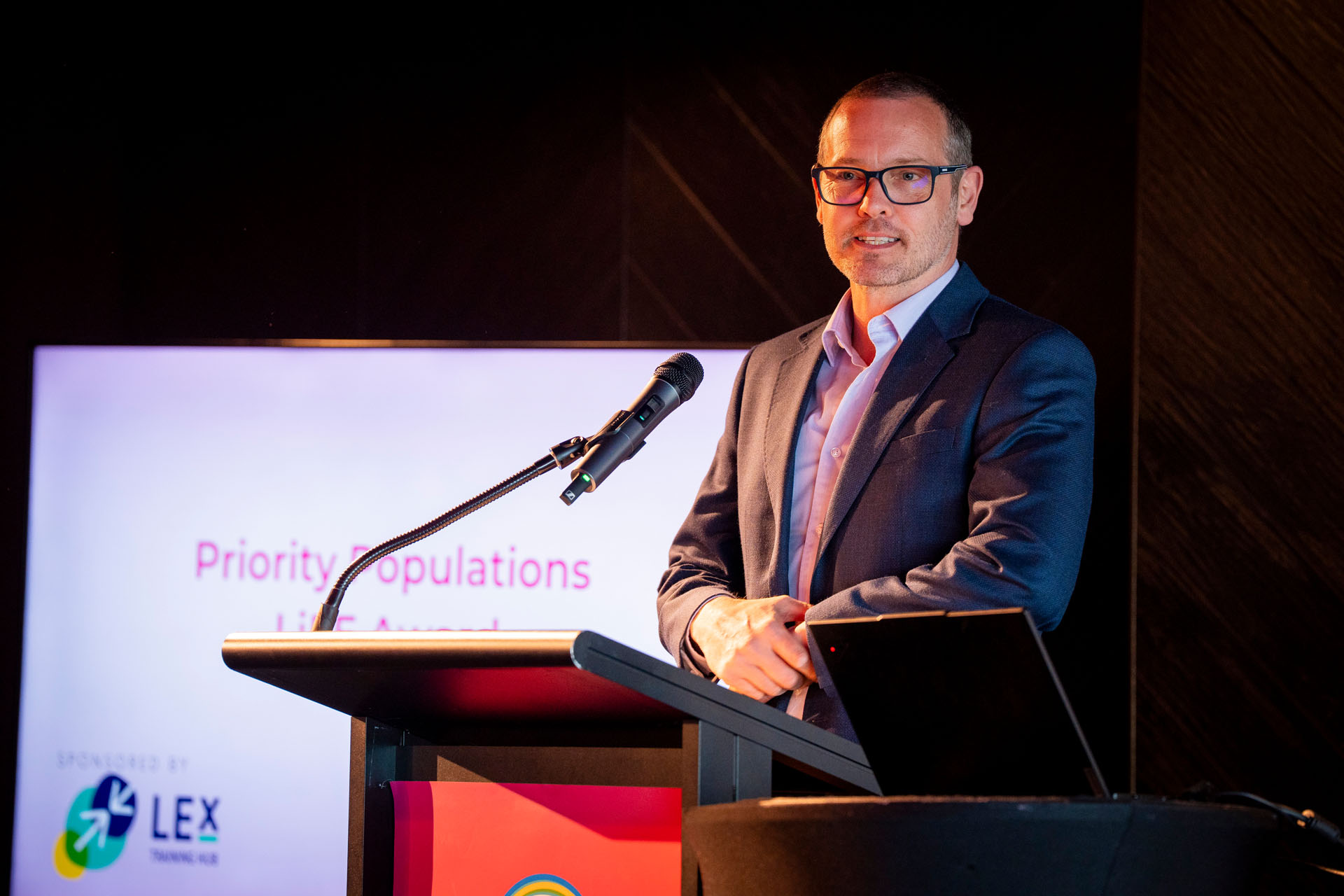
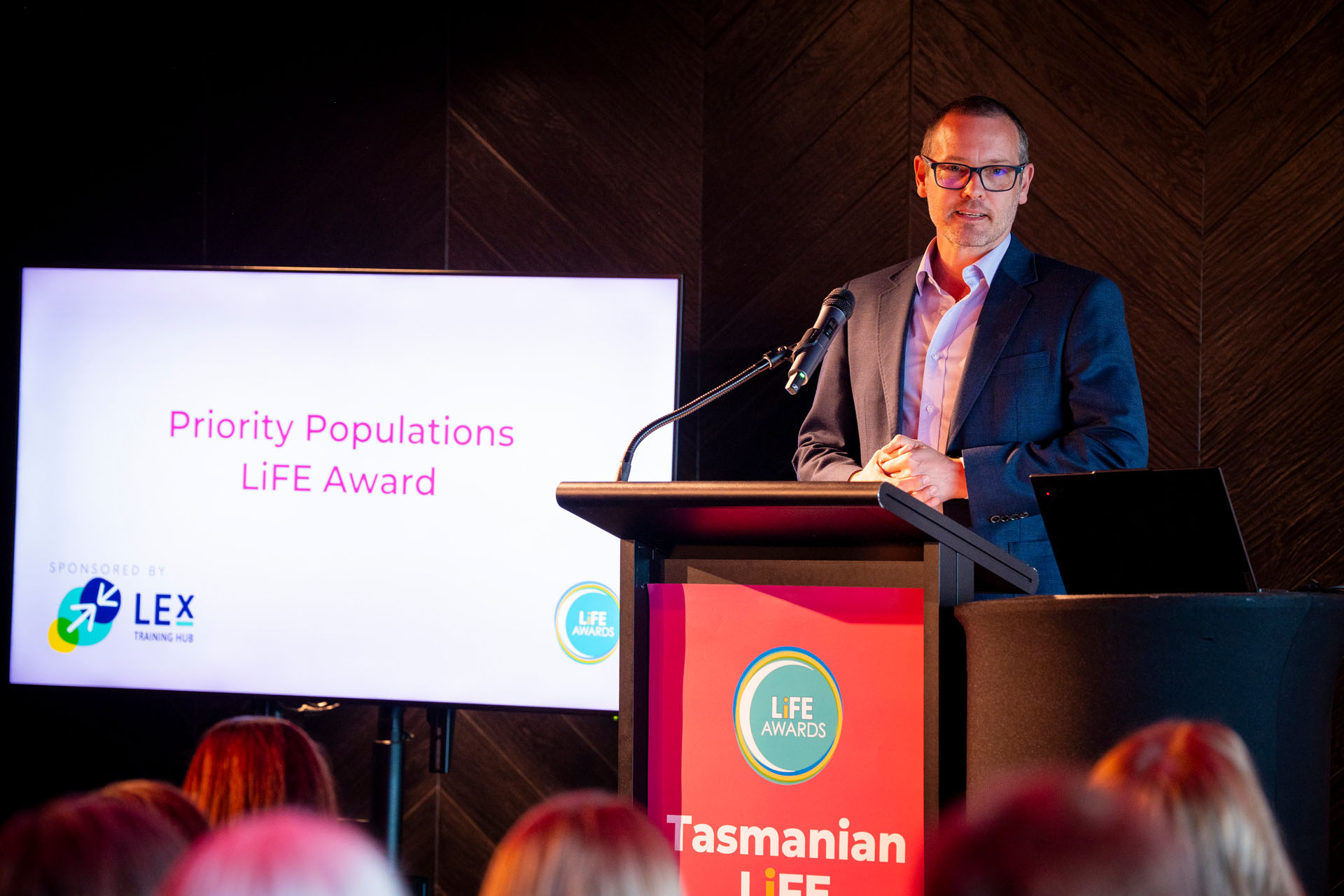
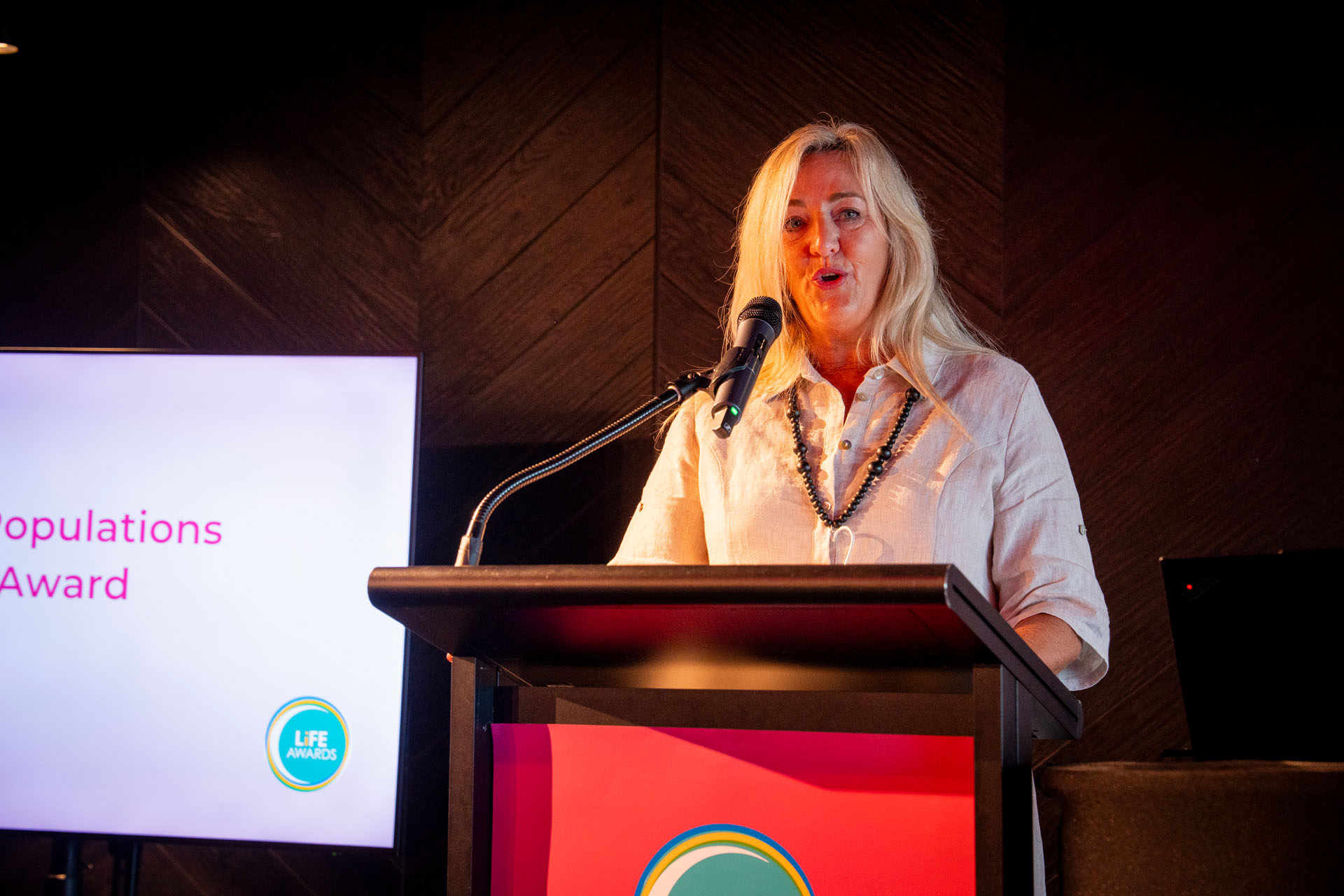
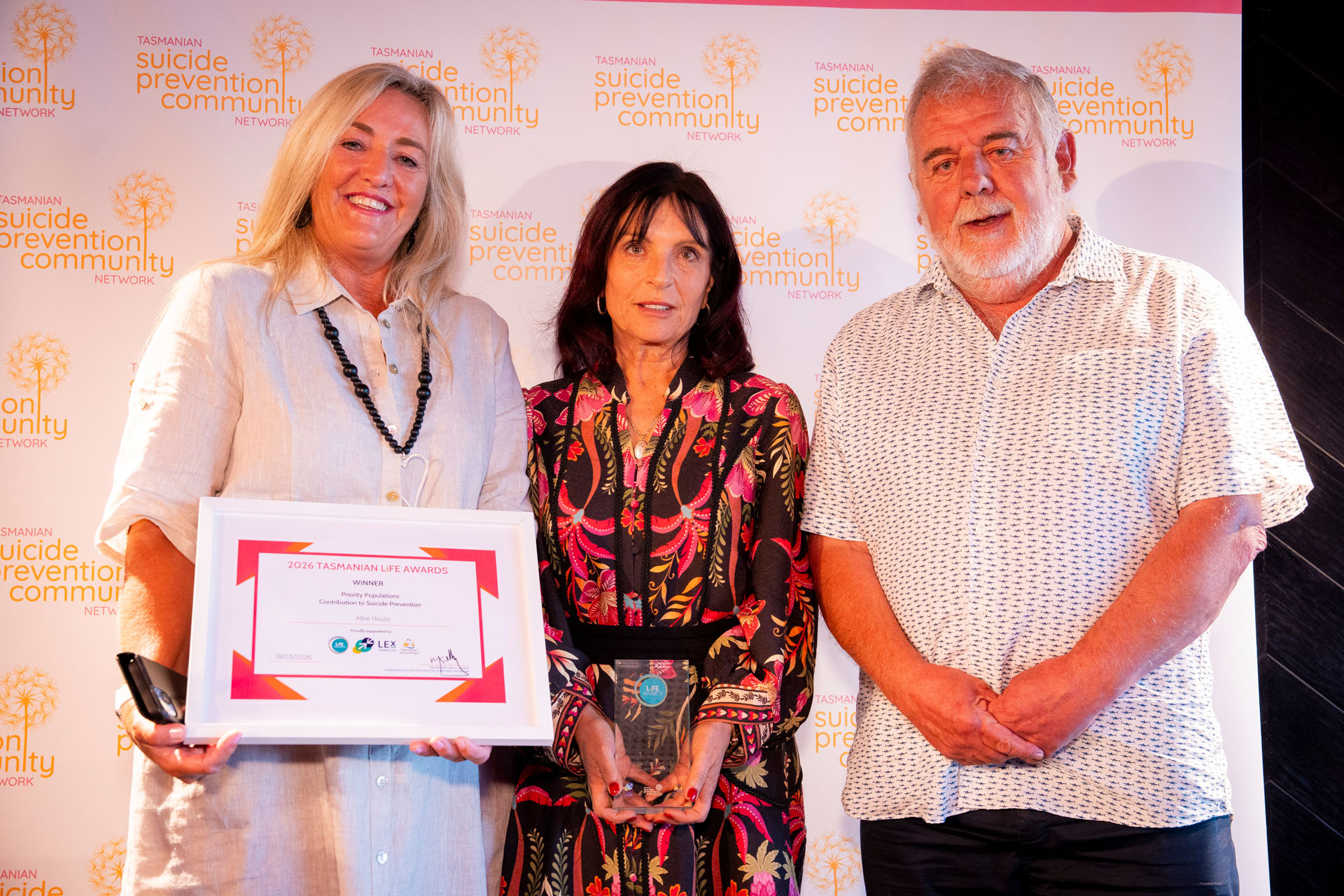
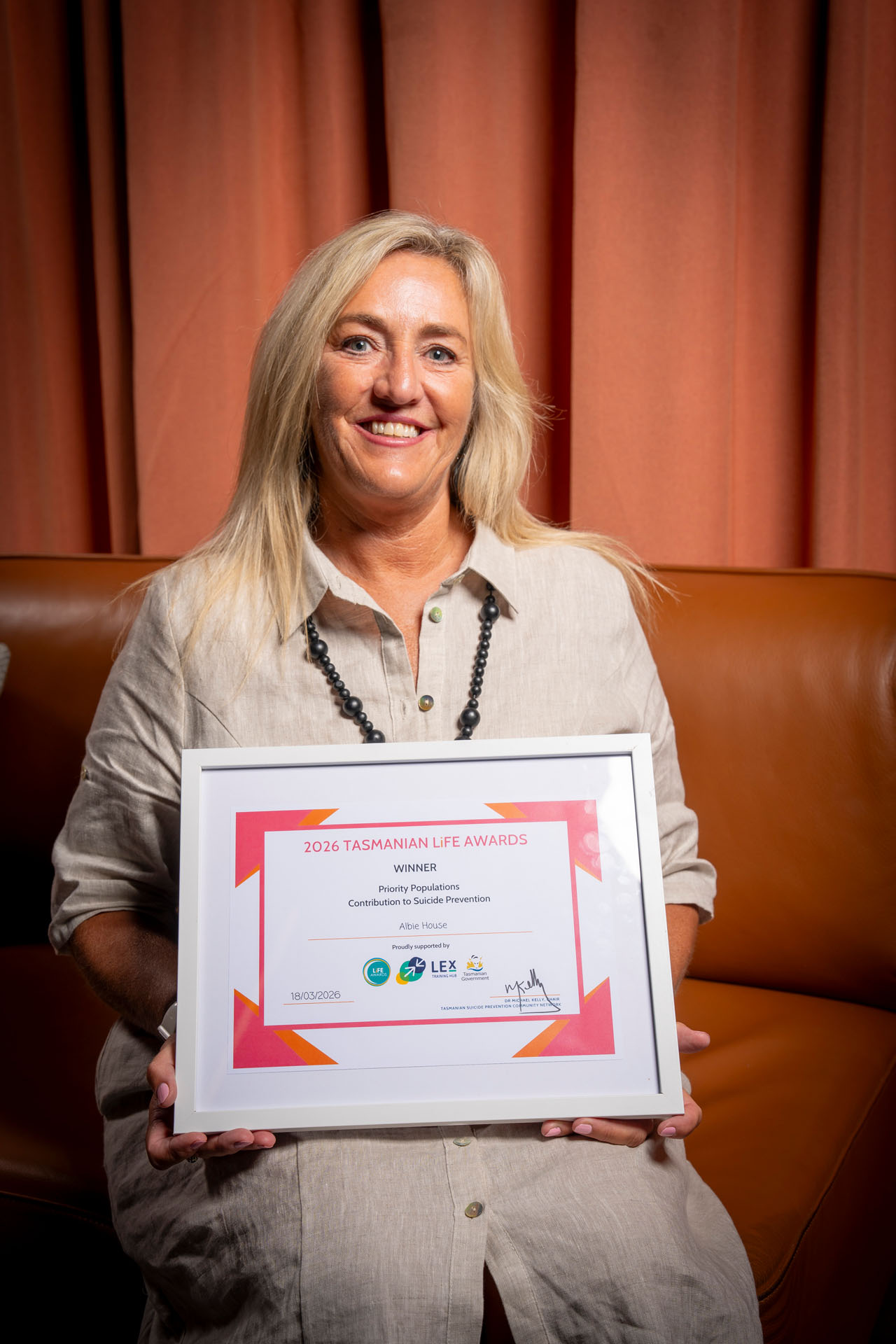
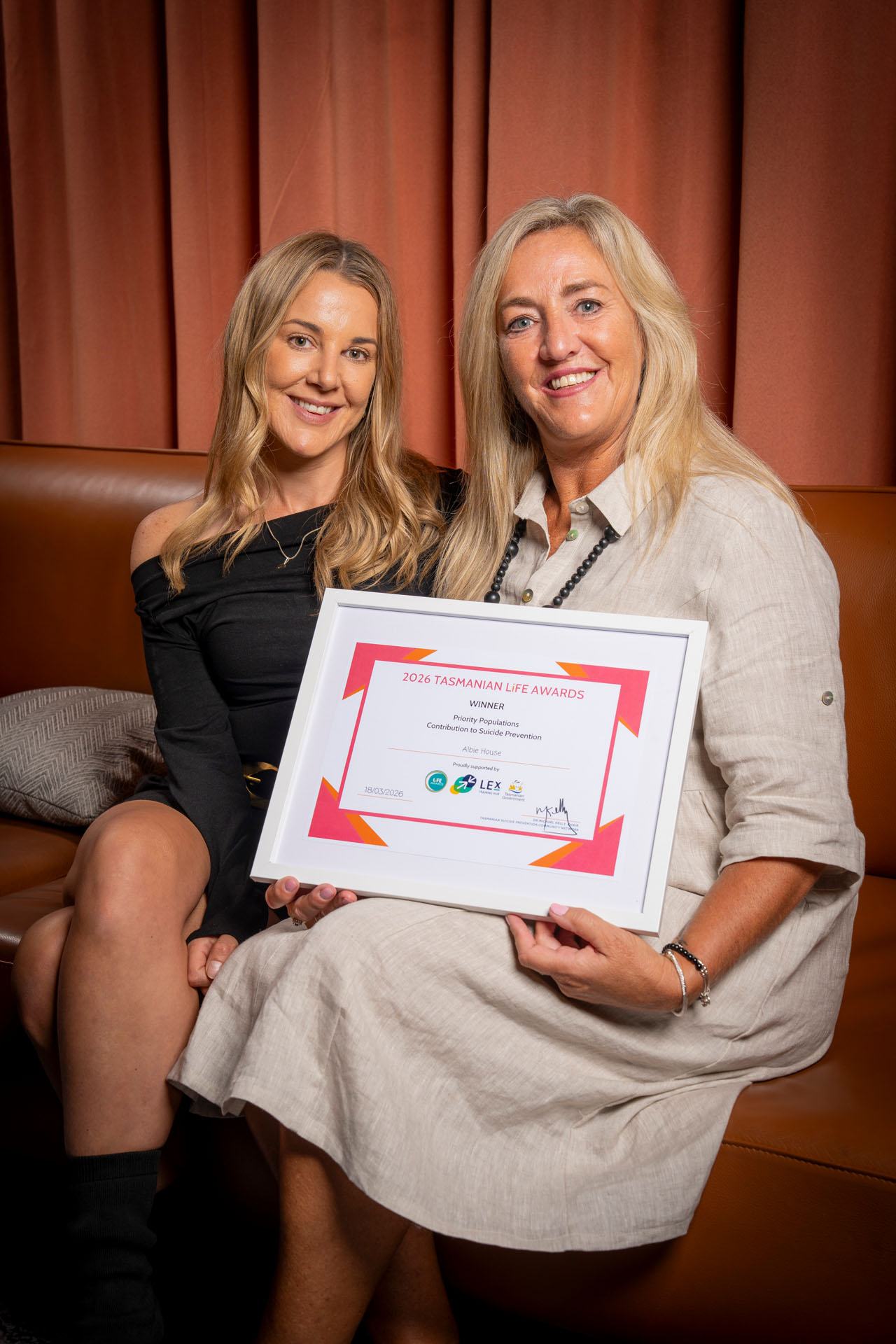
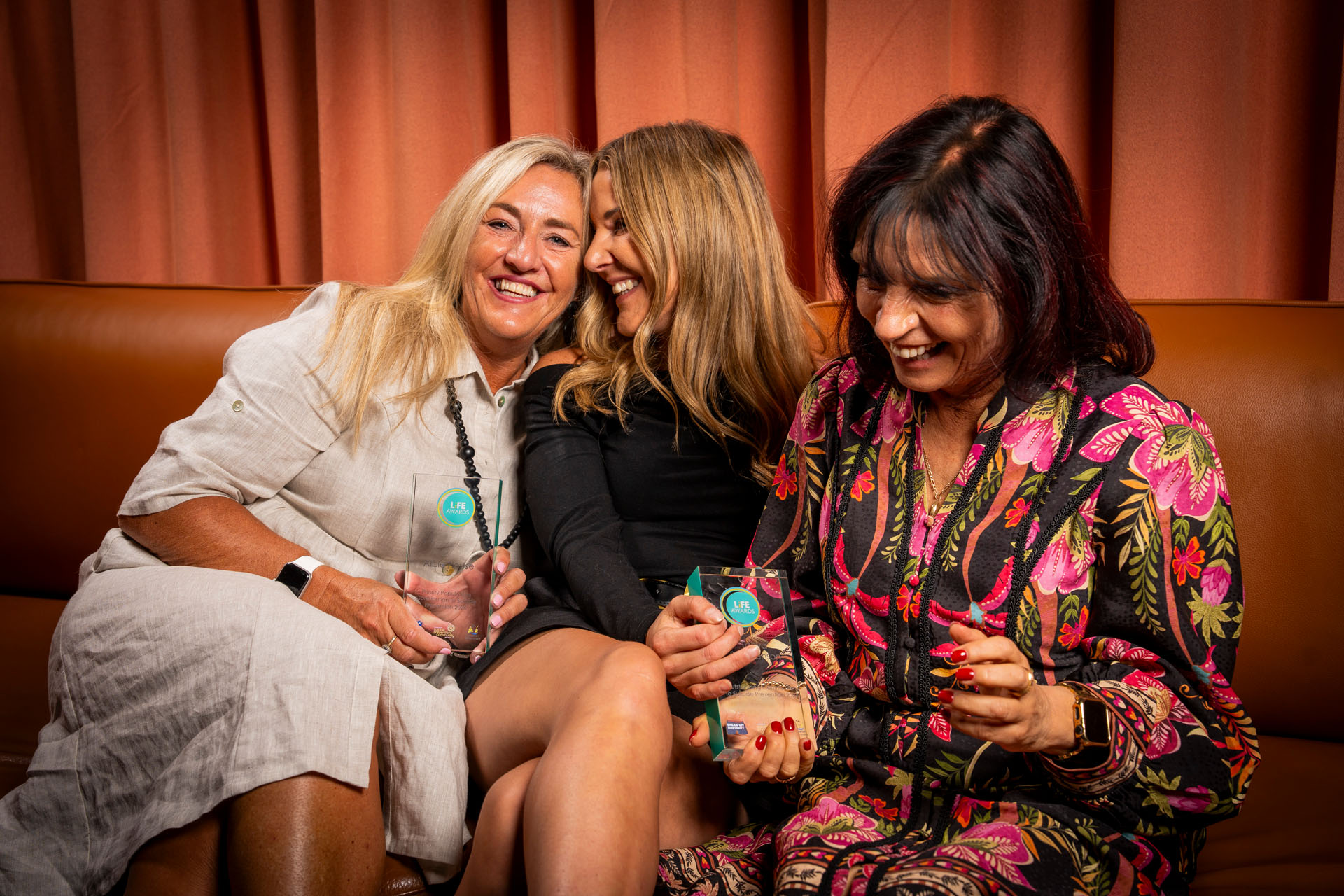
Priority Populations Contribution to Suicide Prevention LiFE Award was awarded to Albie House
Albie House was founded in 2017 after its director, Amanda Cuthbertson, experienced the devastating loss of her son to suicide. At that time, there were no dedicated support groups available in Tasmania. Determined to change this, she established Albie House with a clear mission: to provide safe, compassionate spaces for those navigating the challenges of suicide bereavement. Albie House delivers suicide bereavement groups, offering connection and hope to individuals and families. These groups are the only service of their kind in the state, and they are facilitated by a team of committed volunteers.
Studies highlight that bereavement outcomes improve when individuals engage in support groups with others who understand the complexities of suicide loss. Suicide remains a major public and mental health issue in Australia, affecting families, schools, workplaces, and communities daily. The grief that follows such a loss is often complicated, and without appropriate support, it can lead to further mental health challenges.
Participants in Albie House groups frequently express how the experience has helped them feel less alone and better equipped to cope. The impact extends to the broader health system. Equipped with coping tools, participants often require less medical intervention and are better able to reintegrate into work, family life, and social activities.
By partnering with health professionals, community organisations, and government agencies, Albie House has built pathways that connect people to the help they need. This collaboration demonstrates what is possible when communities unite with a shared purpose: to provide healing, resilience, and hope for those navigating one of life’s most difficult journeys.
Read about all of the 2026 Tasmanian LiFE Award nominees
Check out the fantastic photos taken throughout the evening